Author

knowafricaofficial

Browsing
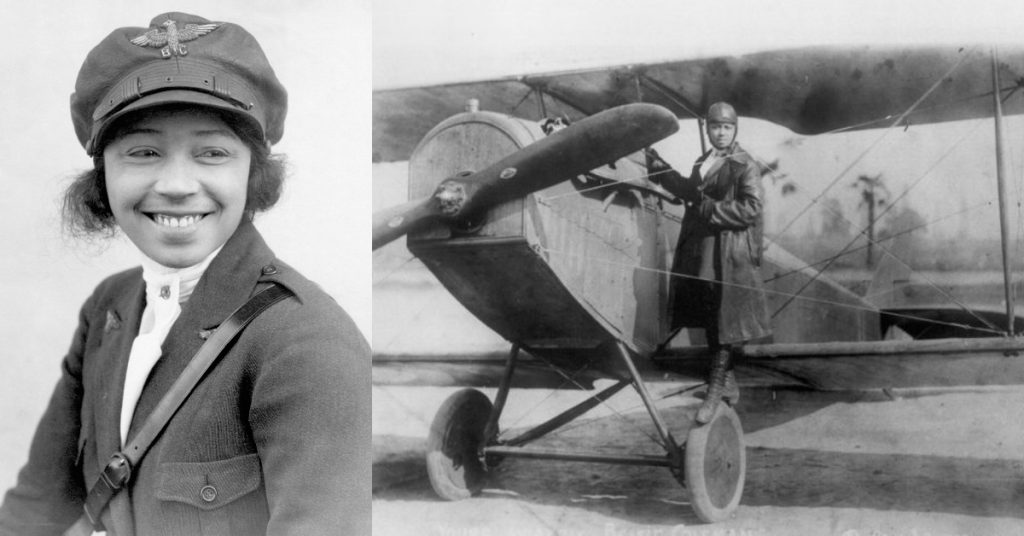
Bessie Coleman: African American Woman Pilot

Stunt pilot Bessie Coleman was a pioneer in the field of aviation. She was the first American with an international pilot’s license, the first American with an African American woman pilot’s license, and the first African American woman to fly an aircraft.

She was born on January 26, 1892, and died on April 30, 1926, according to some reports.

Early Life of Bessie Coleman

Bessie Coleman was born in Atlanta, Texas, in 1892, tenth of thirteen children. The family soon moved to a farm near Dallas. The family worked the land as sharecroppers, and Bessie Coleman worked in the cotton fields.

Her father, George Coleman, moved to Indian Territory, Oklahoma, in 1901, where he had rights, based on having three Indian grandparents. His African American wife, Susan, with five of their children still at home, refused to go with him. She supported the children by picking cotton and taking in laundry and ironing.
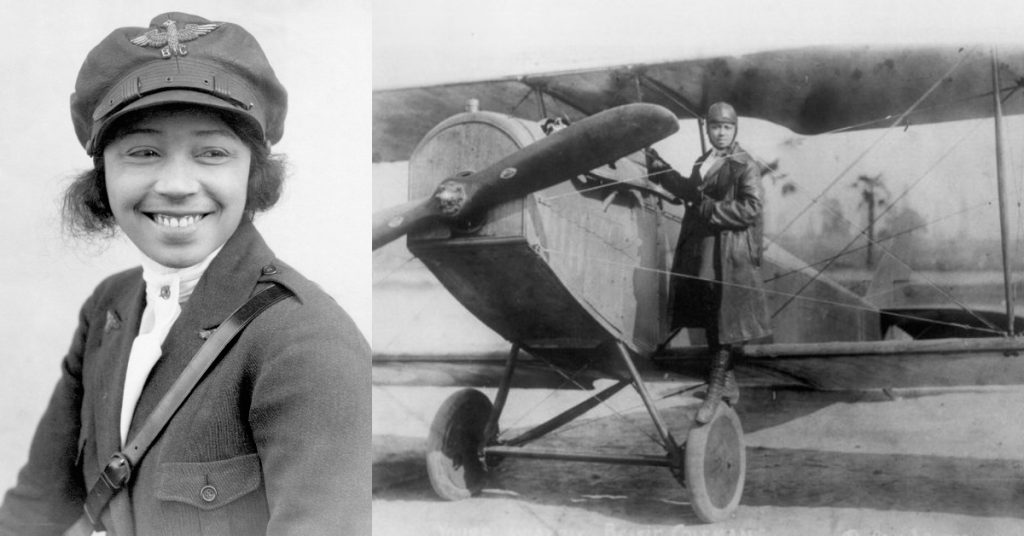
Bessie Coleman

Susan, Bessie Coleman’s mother, encouraged her daughter’s education, though she was herself illiterate, and though Bessie had to miss school often to help in the cotton fields or to watch her younger siblings. After Bessie graduated from eighth grade with high marks, she was able to pay, with her own savings and some from her mother, for a semester’s tuition at an industrial college in Oklahoma, Oklahoma Colored Agricultural and Normal University.

When she dropped out of school after a semester, she returned home, working as a laundress. In 1915 or 1916 she moved to Chicago to stay with her two brothers who had already moved there. She went to beauty school, and became a manicurist, where she met many of the “Black elite” of Chicago.

Learning to Fly

Bessie Coleman had read about the new field of aviation, and her interest was heightened when her brothers regaled her with tales of French women flying planes in World War I. She tried to enroll in aviation school, but was turned down. It was the same story with other schools where she applied.

One of her contacts through her job as a manicurist was Robert S. Abbott, publisher of the Chicago Defender. He encouraged her to go to France to study flying there. She got a new position managing a chili restaurant to save money while studying French at the Berlitz school. She followed Abbott’s advice, and, with funds from several sponsors including Abbott, left for France in 1920.

In France, Bessie Coleman was accepted in a flying school, and received her pilot’s license—the first African American woman to do so. After two more months of study with a French pilot, she returned to New York in September, 1921. There, she was celebrated in the Black press and was ignored by the mainstream press.

Wanting to make her living as a pilot, Bessie Coleman returned to Europe for advanced training in acrobatic flying—stunt flying. She found that training in France, in the Netherlands, and in Germany. She returned to the United States in 1922.

Bessie Coleman, Barnstorming Pilot

That Labor Day weekend, Bessie Coleman flew in an air show on Long Island in New York, with Abbott and the Chicago Defender as sponsors. The event was held in honor of Black veterans of World War I. She was billed as “the world’s greatest woman flyer.”

Weeks later, she flew in a second show, this one in Chicago, where crowds lauded her stunt flying. From there she became a popular pilot at air shows around the United States.

She announced her intent to start a flying school for African Americans, and began recruiting students for that future venture. She started a beauty shop in Florida to help raise funds. She also regularly lectured at schools and churches.

Bessie Coleman landed a movie role in a film called Shadow and Sunshine, thinking it would help her promote her career.  She walked away when she realized that the depiction of her as a Black woman would be as a stereotypical “Uncle Tom.” Those of her backers who were in the entertainment industry in turn walked away from supporting her career.

In 1923, Bessie Coleman bought her own plane, a World War I surplus Army training plane. She crashed in the plane days later, on February 4, when the plane nose-dived. After a long recuperation from broken bones, and a longer struggle to find new backers, she finally was able to get some new bookings for her stunt flying.

On Juneteenth (June 19) in 1924 , she flew in a Texas air show. She bought another plane—this one also an older model, a Curtiss JN-4, one that was low-priced enough that she could afford it.

May Day in Jacksonville

In April, 1926, Bessie Coleman was in Jacksonville, Florida, to prepare for a May Day Celebration sponsored by the local Negro Welfare League. On April 30, she and her mechanic went for a test flight, with the mechanic piloting the plane and Bessie in the other seat, with her seat belt unbuckled so that she could lean out and get a better view of the ground as she planned the next day’s stunts.

A loose wrench got wedged in the open gear box, and the controls jammed. Bessie Coleman was thrown from the plane at 1,000 feet, and she died in the fall to the ground. The mechanic could not regain control, and the plane crashed and burned, killing the mechanic.

After a well-attended memorial service in Jacksonville on May 2, Bessie Coleman was buried in Chicago. Another memorial service there drew crowds as well.

Every April 30, African American aviators—men and women—fly in formation over Lincoln Cemetery in southwest Chicago (Blue Island) and drop flowers on Bessie Coleman’s grave.

Legacy of Bessie Coleman

Black flyers founded the Bessie Coleman Aero Clubs, right after her death. the Bessie Aviators organization was founded by Black women pilots in 1975, open to women pilots of all races.

In 1990, Chicago renamed a road near O’Hare International Airport for Bessie Coleman. That same year, Lambert – St. Louis International Airport unveiled a mural honoring “Black Americans in Flight,” including Bessie Coleman. In 1995, the U.S. Postal Service honored Bessie Coleman with a commemorative stamp.

In October, 2002, Bessie Coleman was inducted into the National Women’s Hall of Fame in New York.

Also known as: Queen Bess, Brave Bessie

Background, Family:

  • Mother: Susan Coleman, sharecropper, cotton picker and laundress
  • Father: George Coleman, sharecropper
  • Siblings: thirteen total; nine survived

Education:

  • Langston Industrial College, Oklahoma – one semester, 1910
  • Ecole d’Aviation des Freres, France, 1920-22
  • Beauty school in Chicago
  • Berlitz school, Chicago, French language, 1920

Lewis, Jone Johnson. “Bessie Coleman.” ThoughtCo, Jan. 30, 2021, thoughtco.com/bessie-coleman-biography-3528459.
EMPIRE OF KANEM-BORNU

KNOWAFRICAOFFICIAL PRESENT THE EMPIRE OF KANEM-BORNU (CA. 9TH CENTURY-1900) TO YOU

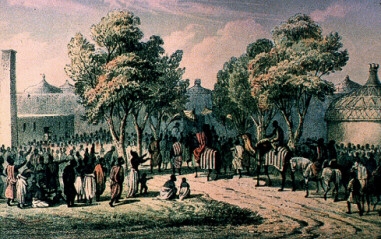
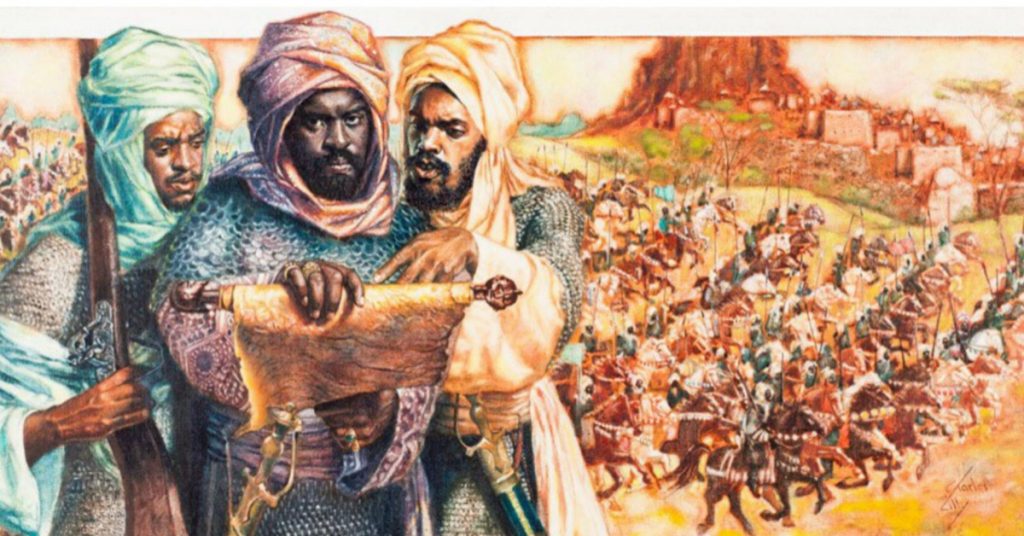
EMPIRE OF KANEM-BORNU or the Kanem-Bornu Empire was a huge African state that reigned over a region that includes the present-day nations of Niger, Chad, Cameroon, and Nigeria from the 9th century until the end of the 19th century.

The Zaghawa nomadic people, who may have been the first in the central Sudan to obtain and exploit iron technology and horses, formed the empire.

Arab historians first made mention of the empire in the ninth century, and by the tenth century, the king of Kanem controlled the Kawar Oases, an important source of revenue. Most likely as a result of competing nations coming under Zaghawa rule, the governmental system of the Kanem empire developed.

In the eleventh century, Humai ibn Salamna, who established the kingdom of Kanem with a capital at Njimi, drove the Zaghawa clans out.

The longest known rule in history, the Saifwa dynasty was founded and ruled for 771 years.

The Saifwa dynasty dramatically increased the influence of Islam and made it the official religion of the court. Saifwa kings, also known as mais, believed they were descended from a heroic Arabic character.

The empire’s location close to significant North-South trade routes made it easier for trade, particularly in slaves, to flourish.

The empire traded for weapons and horses and employed a large cavalry force as part of its program of imperial expansion. Conflict arose between the dynasty and organizations like the Bulala after a mai desecrated a sacred animist religious relic.

The empire’s doctrine of collateral succession—brother following brother—which resulted in brief reigns and unstable conditions—also served to exacerbate conflicts from outside powers.

The Saifawa were compelled to flee across Lake Chad in the late 14th century and found a new kingdom known as Bornu. This is where the name Kanem-Bornu first appeared.

Bornu expanded territorially and commercially, but increasing threats from other rival states, drought, trade problems, and rebellious Fulani groups eroded state control. Muhammad al-Amin al-Kanemi, a Muslim cleric, eventually defeated the rebellious Fulani and built a new capitol at Kukawa in 1814.

His successors ended the Saifwa dynasty and the Kanem-Bornu Empire when they killed the last mai in 1846. Al-Kanemi’s Shehu dynasty was short-lived, and succeeded by slaver and warlord Rabih Zubayr, who was defeated by the French in 1900

Islam and the African Continent

How Islam Appears in Africa

Islam was first introduced to Africa in Somalia in the early seventh century by Muslims Arabs fleeing persecution from the pagan Quraysh tribe on the Arab Peninsula. Later, it was ingrained with the Arab Islamic military invasion of Africa in 647 C.E., during the third reign of Caliph Uthman ibn Affan, ruler of Mecca, according to Islamonline.

In sub-Saharan Africa, people often converted to Islam to keep trade open and to avoid being sold into slavery. Africans believed Islamic conversion would create mutual respect but since slavery is justified in the Quran, there was no guarantee of avoiding bondage.

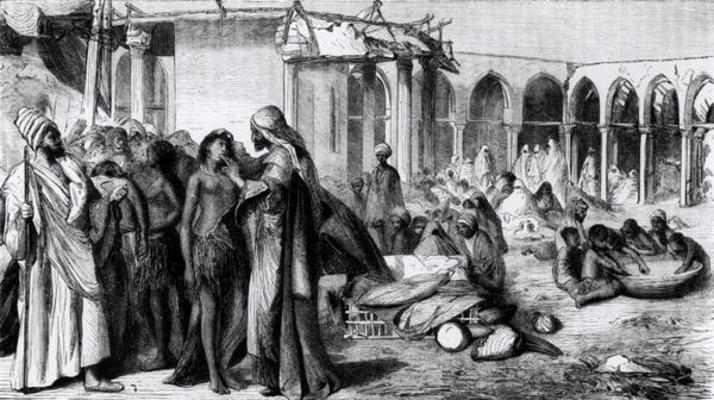
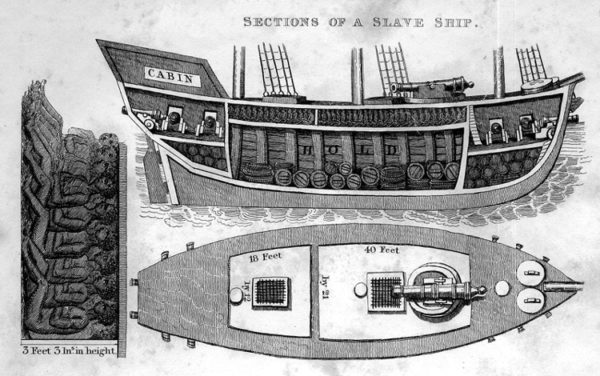
STC168911 In the Slave-Market at Khartoum (engraving) (b/w photo); by English School, (19th century); Private Collection; The Stapleton Collection; English, out of copyright

Islamic Slave Trade

According to an arabslavetrade.com article, “Denials of Islamic Slavery,” the slave trade in Africa lasted 14 centuries and has continued to the present day in Mauritania, Niger, Sudan and in isolated incidents across the continent.

READ ALSO: European Christianity and Slavery (Details)

The cultural practice of slave ownership in Niger was not banned until 2005. In Mauritania, an estimated 600,000 people are described as “modern-day slaves,” in debt bondage, forced marriage and victims of human trafficking.

In a 2014 theinternational.org article, writer Rachael Hancock reported that in the four years since slavery has been criminalized in Mauritania, only two cases have been investigated and just one person convicted.

Enslaved Africans Through Islamic Routes

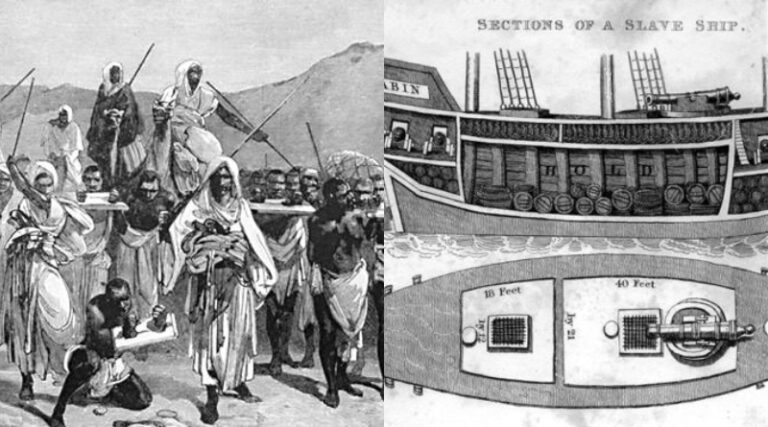
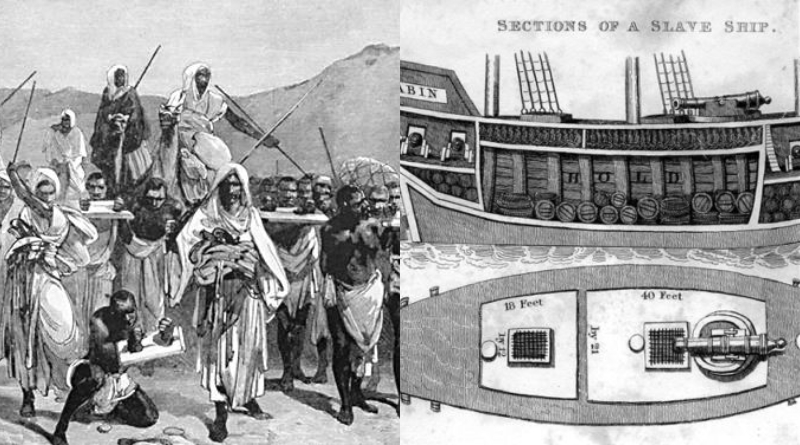
Islamic traders were complicit in the enslavement of 10 million African people, mostly women and children, who were transported out from the Swahili Coast to India, Saudi Arabia, Turkey and China, as reported in the article “The Politics of Lost Numbers” on arabslavetrade.com.

Africans from various regions were transported via the trans-Sahara route to north Africa, where they were sold in slave markets in Morocco as domestic servants to European buyers.

READ ALSO: THE IGBO Landing Mass SUICIDE (1803)

The followers of Islam introduced chattel slavery, slaves as personal property, rather than indentured slavery, involuntary labor, into the system.

In a 2003 lecture by Sheik Saleh Al-Fawzan, a leading Saudi government cleric, he stated, “Slavery is a part of Islam. Slavery is part of jihad, and jihad will remain as long there is Islam.”

Black Exploitation 

During the Islamic slave trade, Black men were used for military service and Black women for sexual exploitation, using their wombs to bear Muslim children, reports arabslavetrade.com in the article,  “Denials of Islamic Slavery.”

MORE WILL BE HERE SOON…..

Kenyans

Kenyans on sometime ago took to social media to celebrate a rare case of snow falling in the East African country.

Photos and videos shared on social media by Kenyans to show whitish substance on the streets of the town of Nyahururu located in the country’s Laikipia County.

The Kenyan Meteorological Agency, however, clarified and explained that the incident was a case of rare hail storm and not snow. ‘‘For it to snow temperatures are usually below 0°C,” they explained.

Edouard Mendy

Chelsea’s French-born Senegalese goalkeeper Edouard Mendy poses at the Diderot primary school while giving his financial support to PowerZ, in Drancy on June 11, 2022.

A group of 50 students from Drancy, in the northern Parisian suburbs, were given the opportunity to meet international footballer Edouard Mendy.

The Chelsea goalkeeper and member of the Senegalese national team is involved in a project called PowerZ, which aims to teach the next generation through a free online video game.

“I think we’re in a generation where kids are very connected, but often they’re poorly connected because there are a lot of cartoons, games that don’t necessarily teach them anything, so this video game is a very good mix between entertainment and learning and it enriches our kids and it’s something that we have to harness.”, explains Edouard Mendy, Chelsea and Senegal goalkeeper.

The admired player who helped Senegal lift its first African Cup of Nations this year also financially invested in the development of PowerZ.

The Father of two young boys aged four and six also says he fell in love with its concept because it is free, or rather “free-to-pay“ as those who install it are free to pay what they want or can.

“I am very involved in this project: for me, children are the future, education is the foundation, we can link the two.”, says Mendy.

PowerZ was designed by a team of 50 people including video game and pedagogy specialists. Its founder and CEO is Emmanuel Freund who praises the player’s values. “I met Edouard and I realized several things: first of all we have exactly the same values, this desire to see education accessible to all, to allow everyone to educate themselves, rise in society, all of this was very important for him. And then the second thing which we see here at this event but that I saw already from the start, when we talk to the children, the fact that he is a model.”.

Its designers have raised “10 million euros for the development of the game internationally”. A motivation shared by the Senegalese goalkeeper who says he wishes to see PowerZ on a “world-scale”.

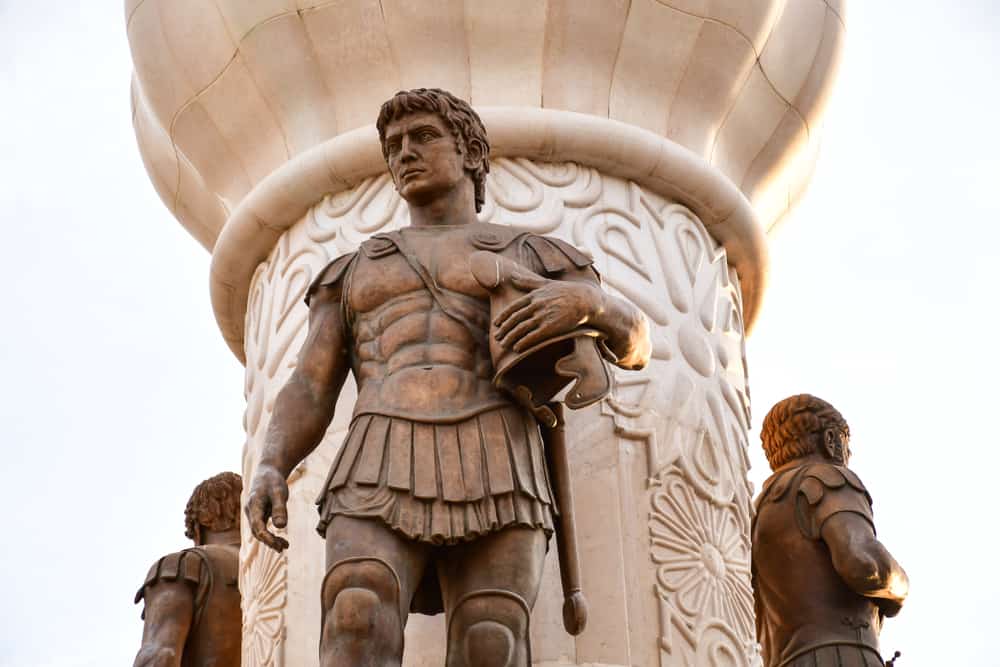
Alexander the Great

In 332 BC, Alexander the Great came in Egypt. Alexander marched to Egypt after defeating the Persian ruler Darius for control of Syria and the Levant.

The Early Life Of Alexander The Great

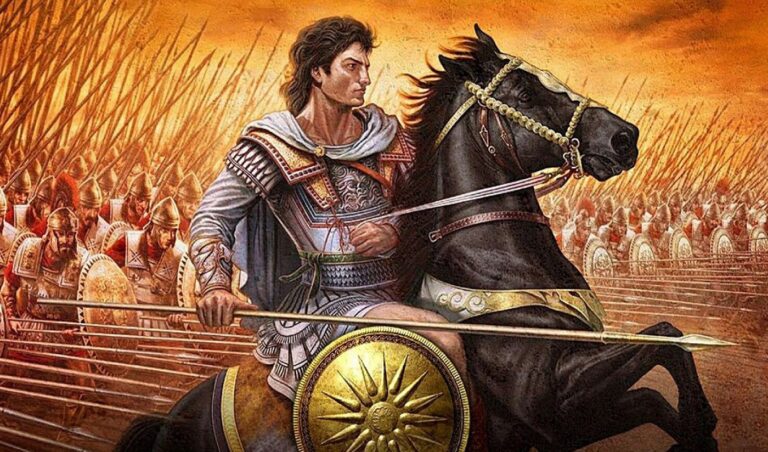
Alexander III of Macedon, also known as Alexander the Great, was the ruler of Macedon, a great ancient Greek kingdom.

In 356 BC, he was born in Pella. He spent the majority of his life in military interventions across Asia and Northeast Africa, and at the age of thirty, he managed to build one of the most powerful empires in ancient history, stretching from Greece to northwest India. He is regarded as one of history’s most successful military commanders.

Alexander’s Legacy includes the cultural diffusion which his conquests engendered. He established twenty cities that carry his name, most popular is Alexandria in Egypt. His legendary as a classical hero in the achilles and he always featured importantly in the history of both Greek and non-Greek cultures. He became an icon for the military leaders to compare with his performance.

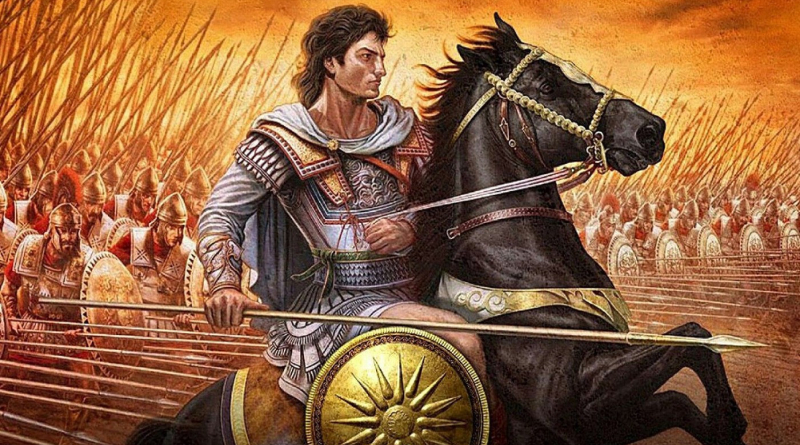
Alexander the Great

Nowadays, the military academies all over the world still teach his tactics in wars thus he ranked among the most influential people in history.

Alexander The Great and Egypt

He arrived in Egypt in 332 BC. After defeating the Persian emperor Darius for control of Syria and the Levant, Alexander marched to Egypt. At the time, Egypt was a satrapy in the Persian Empire, held loosely under Persian control since the decline of the Ancient Egyptian Empire at the end of the 7th century BC.

Alexander and his army of Greeks were regarded as liberators and to cement the Oracle of Amun at Siwa Oasis pronounced him the new ‘master of the universe’ and a descendent of the Egyptian god Amun.


Alexander did not stay in Egypt long. By 331 BC he was on his way west to complete his conquest of the Persian Empire, but the impact of his conquest in Egypt was significant. Alexander respected Egyptian culture and religion, but he installed a Greek government to control his administration of Egypt.

Greek influence in Egypt was reinforced by the settlement of Greek veterans throughout Egypt, where they became a privileged aristocracy that gradually assimilated with the Egyptians. Alexander also founded a new Greek capital, Alexandria, located on the Mediterranean at the mouth of the Nile.
 
Although Alexander would never return to Egypt, dying in Babylon in 323 BC, the Greek rule that he established proved more enduring. In the crisis after Alexander’s death, Ptolomy, one of his generals, claimed Egypt as his kingdom and established hereditary rule. The Ptolomaic Dynasty would last until the Romans conquered Egypt in 32 BC.

Alexandria emerged as a great city in the Mediterranean and a center of Hellenism, spreading Greek learning and culture. It was the site of the legendary Ancient Library of Alexandria and the Pharos Lighthouse, which was built on the site where Qaitbey Citadel stands today. 

Alexander the Great: Military History


Alexander the great has a legendary record of undefeated wars , first against the achaemenid Persian under the command of Darius III then, against local chieftains and arlords as far east as punjab, India, this Alexander regarded one of the most successful military commanders in history. Despite his military victories, he failed to provide an alternative to Achaemenid empire. After his death his huge territories he conquered threw them into civil war.


Alexander takeover the kingship of Macedonia following the death of his father Philip II, who unified most of the city states of mainland Greece under Macedonian called Hellenic League. After uniting city-states of Macedonia after his father death, Alexander set out east against the Achaemenid Persian Empire under the “king of kings” Darius II, who he defeated and overthrew. 
His conquests include Anatolia, Syria, Gaza, Egypt, Persia and he extended the borders of his empire to Punjab, India.


As a brilliant military commander, Alexander the great had made before his death for military expansions into the arabian peninsula, However, Alexander’s diadochi abandoned these plans after his death. then, they started to fight with each other, dividing up the empire between themselves and continue 40 years of wars.

Famous Quotes

  • There is nothing impossible to him who will try.
  • I am indebted to my father for living, but to my teacher for living well.
  • Remember upon the conduct of each depends the fate of al
  • I am not afraid of an army of lions led by a sheep; I am afraid of an army of sheep led by a lion

Credit: https://www.memphistours.com/

Ancient Egypt

The Old Kingdom of Ancient Egypt is the foundation upon which all of Egypt’s long and storied history has been built. 

All of Egypt’s lengthy and colorful history is built on the foundation of the Old Kingdom of Ancient Egypt.

People living in the Nile Valley first began to produce the art and architecture that we currently consider to be among the most remarkable ancient feats in history during this time period, which lasted from 2686 to 2181 BC.

Before the formation of the old empire, Egypt was divided into several regional chiefdoms, each with its own gods, kings, and governance.

The “Old Kingdom” is a timeline during the ancient Egypt. It ruled ancient egypt from 2575 BC to 2150 BC which consists of 4, 5, 6, 7 and 8 Dynasties with 25 Pharaohs.The fourth and fifth dynasty  were the main old kingdom dynasties while some archaeologists consider the third dynasty as a critical period.

over 400 years, Egypt had a strong central government and economy. The  most famous about Ancient Egypt Old Kingdom is the built of the pyramids thus, it called the “age of the pyramids” or “age of the pyramid builders”.

What time period considered old kingdom in ancient Egypt ?

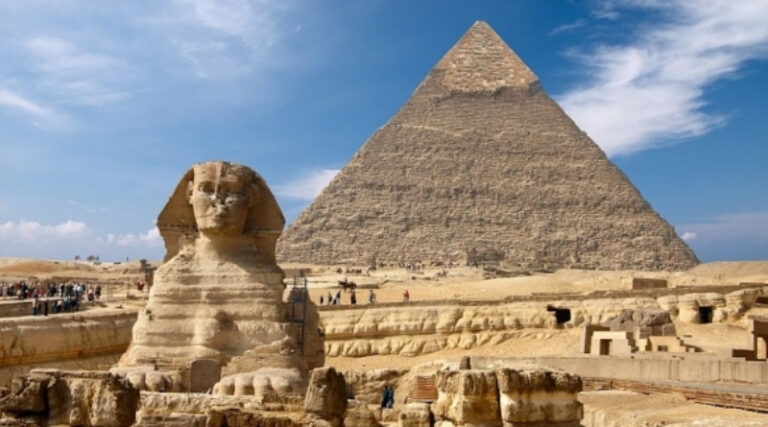
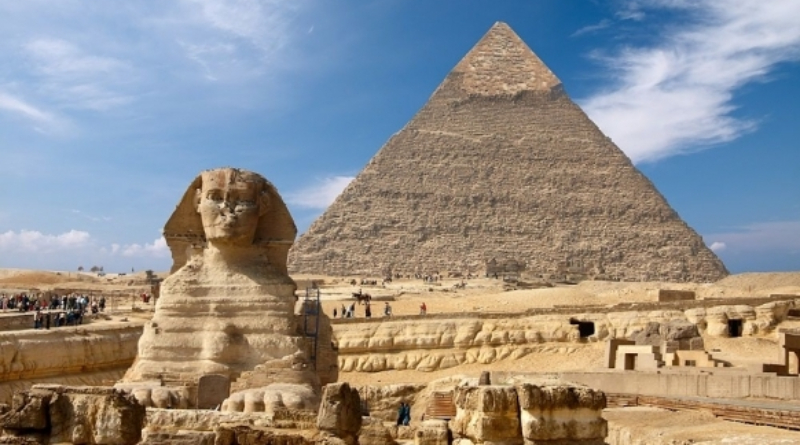
The old kingdom time period in ancient Egypt is when the great pyramids and the great sphinx were built, pyramids construction took place in the early period in the old kingdom. This period of time was highlighted with the progress of  management, architecture, painting, sculpture, transportation, food distribution, astronomy and sanitation.

Primary Information about Ancient Egypt Old Kingdom


Capital‎: ‎Memphis
Religion‎: ‎Ancient Egyptian religion
Population: one million and half
Government‎: ‎Divine absolute monarchy
Common languages‎: ‎Ancient Egyptian

What is the Old Kingdom of Egypt known for?


It was known for the construction of the great pyramid and the sphinx under the rule of Pharaoh Khufu, it also known as the “age of the Pyramid” or “Age of the Pyramids builders”. The ancient Egypt old kingdom took greatest achievements happens during the 4th, 5th and 6th dynasties. Forward, the central government started to collapse.

The Old Kingdom of Ancient Egypt

There is evidence of human settlement in the Nile Valley dating back to around 7000 BC and Ancient Egypt was organized into kingdoms before 2686 BC, but archeologists have defined the Old Kingdom as the first of three peaks of stability that Ancient Egyptian civilization experienced.

Art and monumental building in the ancient world are evidence of economic and organizational success. They suggest that people had surplus time and resources to devote to activities other than survival and food production. During the Old Kingdom, the king’s of Egypt were able to feed their subjects and organize huge work forces in order to construct some of the largest structure ever built.

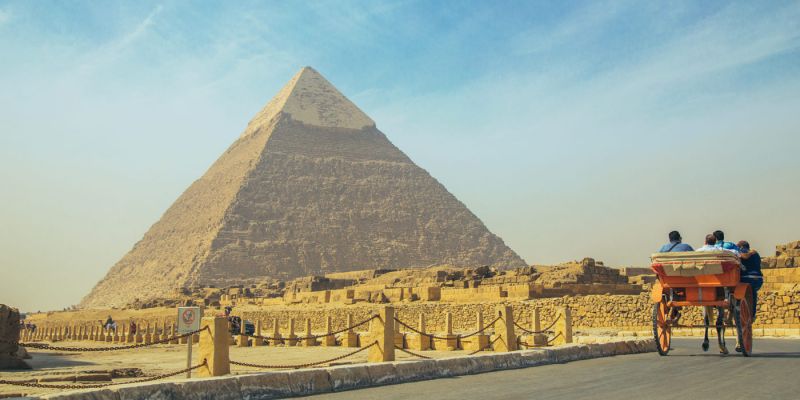
Almost all of the pyramids that we see today in Egypt were built during the Old Kingdom. Specifically, the 4th dynasty (2613–2494 BC) of the Old Kingdom was the ‘golden age’ of pyramid building. The Giza Pyramids and other large pyramids and Sakkara and Dahshur were all built during the the largest and best constructed pyramids were all built during this surprisingly short moment in Egypt’s long history.

The end of the Old Kingdom came about as the economy of Egypt and the power of the Egyptian kings declined and the Nile Valley fell into a period of disarray known as the First Intermediate Period (2181–2055 BC)

Almost all of the pyramids that we see today in Egypt were built during the Old Kingdom. Specifically, the 4th dynasty (2613–2494 BC) of the Old Kingdom was the ‘golden age’ of pyramid building. The Giza Pyramids and other large pyramids and Sakkara and Dahshur were all built during the the largest and best constructed pyramids were all built during this surprisingly short moment in Egypt’s long history.

The end of the Old Kingdom came about as the economy of Egypt and the power of the Egyptian kings declined and the Nile Valley fell into a period of disarray known as the First Intermediate Period (2181–2055 BC)

In 1720 CE, during the peak era of the European trans-atlantic slave trade, Agaja, king of Dahomey raided and sacked all slave trading forts that were set up on the coastal areas of his kingdom by Europeans.

King Agaja burnt everything down and blocked off supply routes to the hinterlands. Slavery was in conflict with Dahomey’s development.

Europeans were bitter. They tried to sponsor Africans they had made slave dealers, against King Agaja. “They failed to unseat him or to crush the Dahomey kingdom. But in turn, king Agaja failed to persuade the Europeans to introduce a new line of trade or other economic activities such as local plantations agriculture.

Being eager to acquire firearms, Agaja agreed to resume the slave trade in 1730 CE.” – (Walter Rodney, How Europe Underdeveloped Africa).

During the time of King Wegbaja in the 17th century CE, European often preferred to obtain a shipload of captured and enslaved men and women from one spot. Dahomey was in constant conflict with the Oyo kingdom of the Yoruba people, which was in present-day Western Nigeria.

And this meant that there was always a teeming number of Africans captured on both sides and given to Europeans in exchange for firearms and junks from Europe (This is the reason why millions of Yoruba speaking people are found today in Brazil, Trinidad and Tobago etc. In modern day Argentina, the population of these Africans were wiped out in the 19th century CE, that is why there is no black Argentine today but there are black Brazilians).

Sometimes one horse was exchanged for 15 captives from these battles. In other times, horses were gotten from the Hausa traders from the Savannah of present-day northern Nigeria, in exchange for enslaved persons, who were sold to merchants in Kano, who in turn sold these persons to the Arab traders along the trans-saharan trade routes.

Europeans often miscalculated how long it would take Dahomey to gather a shipload of captured men and women, hence the chained, enslaved persons often exhausted the food supplies on the coast.

Thousands died of starvation in this way. King Wegbaja thought out a scheme that often estranged descendants of enslaved men and women today. He began sacrificing these men and women to a deity he conceived.

He convinced his subjects that he was in that way, doing the captives a favour, instead of allowing the chained men and women to die of starvation. These were their enemies… Besides, he told his subjects that the sacrifices will ensure the perpetual power of their kingdom over rivals like the Oyo kingdom to their east(which the Dahomey people hated) and the Ashanti kingdom to the west.

This was the root of mass human sacrifice that is often attributed to the Dahomey kingdom and Voodoo. As research indicates, there were enslaved men and women(mostly those from Ketu, a town of the Oyo kingdom, near Abeokuta) who would express thankful relief when European slave ships arrived; ‘okpe oo!’ was the shouts in the Yoruba language, amidst cries as the sacrifices were halted on sighting slave ships.

But it most be noted too that, it was the Yoruba kingdom of Oyo that first made Dahomey a tributary state of their Kingdom and demanded bond servants as tribute to the Oyo crown. Dahomey broke free eventually and declared war on Oyo kingdom, which was eclipsed by the the conquest of both by the British and the French.

Obviously, Europeans saw these bloodied scenes on some occasions, giving rise to popular conclusions that Europeans saved Africans from mass sacrifices and that it was the responsibility of the African chiefs… that “Europeans merely turned up to buy the captives.”

This was captured in the book ‘Sins of our fathers’ where the author wrote that it was many Europeans who persuaded him to state clearly that the trans-atlantic slave trade was the responsibility of the African chiefs.

In response to this, Historian, Walter Rodney stated; “…as though, without the European demands, there would have been captives sitting on the beaches in their million” waiting to be chained into the slave ships.

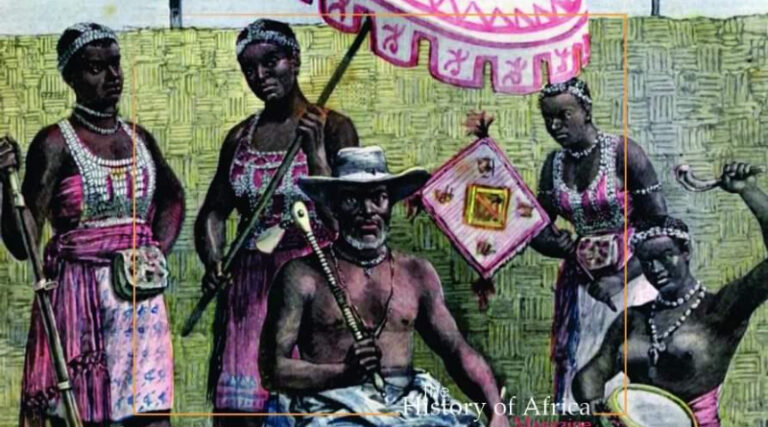
Image: King Agaja and his guards of Female warriors that were known for their fierceness and courage. They were called the “Mino” (meaning, ‘our mothers’ in the Fon language).

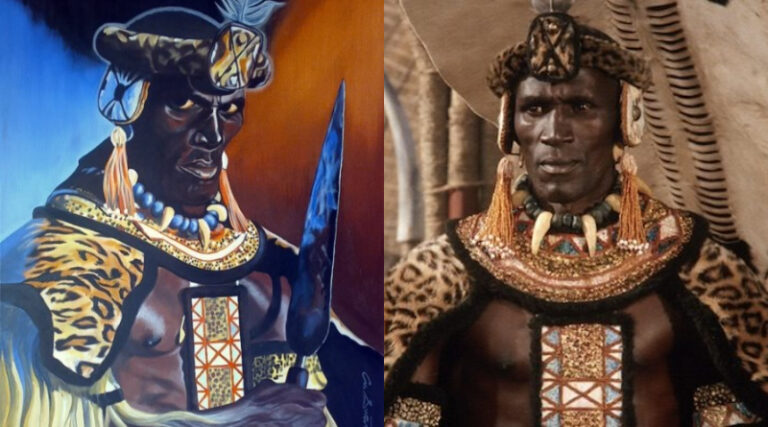
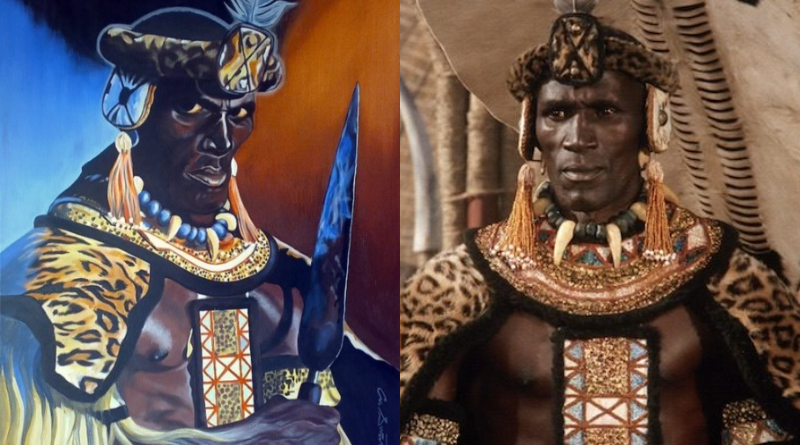
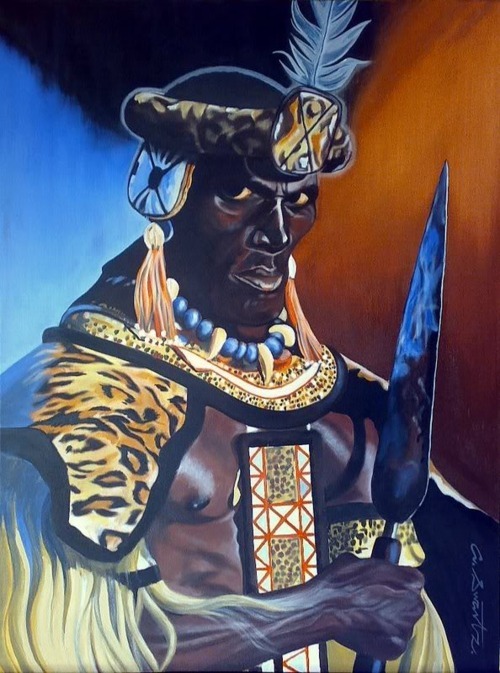
Sigidi kaSenzangakhona popularly known as Shaka was a great Zulu king and conquerer. He was born around c. 1787 and lived in an area of south-east Africa between the Drakensberg and Indian Ocean.

Zulu

He was the son of Senzangakohona, who ruled over a small chiefdom, the Zulu and his mother was Nandi, the daughter of a Langemi chief and was the third wife of his father.

Before the reign of Shaka, there were more than a hundred chiefdoms but were all  brought together after he became king. After his father died in c. 1816, Dingiswayo, the army commander was made king but was killed in battle in c. 1818 and Shaka was made king. The reign of Shaka was a great one as he united Zulu Kingdom together but he was murdered by his two half-brothers, Diangane and Mhlangana in c. 1828.

Assassination by rivals to the throne is constant in monarchies throughout history. It’s assumed Shaka was an illegitimate child of his mother while his half-brother, Diangane was legitimate. After the death of his father, Shaka and his mother were driven away and Shaka joined the army of Mthetwa, which was led by Dingiswayo who supported Shaka to assassinate his elder brother, Sigujuana, who had then ascended the throne.

After his brother’s assassination, Shaka became chief but was a vassal of Dingiswayo and assumed full leadership of the kingdom and army when Dingiswayo was killed by Zwide in battle. His power grew as he reorganized the Zulu military system and even invented the long-bladed assegai and the bullhorn formation which helped him win many great battles.

He had a ruthless military discipline and recruited both men and youths in his armies. He even forbade any of his troops from getting married. When his mother died in October, 1827, Shaka made his grief turn him into more ruthless king.

He ordered everyone to mourn his mother and whoever he thought was not grieving enough, was executed. More than seven thousand people faced this punishment and he ordered for no crops to be planted or milk be used and this was a sure sign of an incoming famine.

Every pregnant woman as well as her husband was also executed and this made his half-brother’s turn on him. They tried more than once but always failed until many of the Zulu troops were sent North and the security around Shaka was weakened.

Zulu

Together with a servant, Mbopa, the brother’s murdered Shaka, dumped his body in an empty grain pit and filled it so the exact location of Shaka’s body was never found as the location of the pit was unknown. Diangane assumed the throne and allowed the troops to marry and set up a homestead. He was king for twelve years until he was defeated by his half-brother, Mpande.

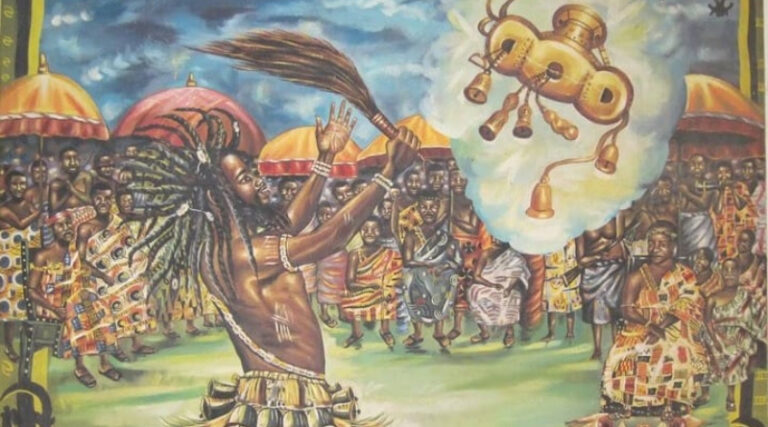
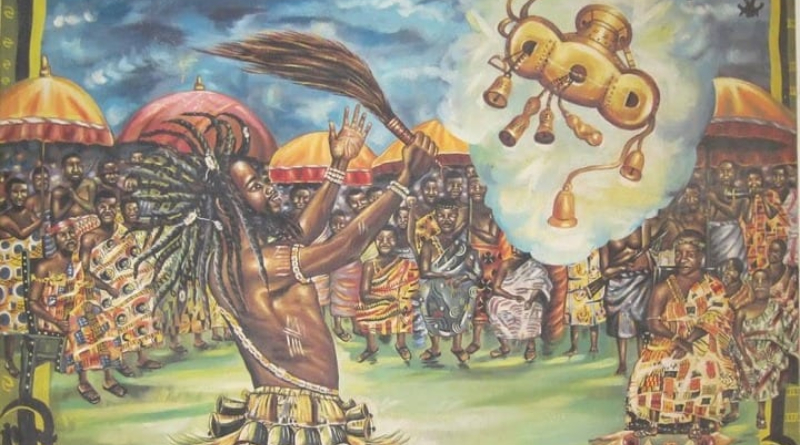
Komfo Anokye

His name was Komfo Anokye and he was a twin and many believe that he was an Ewe.

According to history, his real name was Tsala and his twin brother was Tsali Togbi the Ewe legend who played a pivotal role in the establishment of the Anlos from the Nortsie. Infact Okomfo Anokye is the corrupted version of ‘Okomfo from Nortsie’.

But the Asante history has it that the very Komfo Anokye people sometimes refer to as an Ewe is an Asante and more precisely he had all his roots in the Asante kingdom.

READ ALSO: Here Is What Senegalese Player, Krepin Diatta Said To His Fellow Africans Who Mocked His Physical Look During The Past African Cup.

According to the Asante history, Komfo Anokye was born in Akwapem in the Akwamu kingdom and he was also a co-founder of the Asante kingdom who was considered the wisest and greatest lawgiver of the Asante people in the West Africa.

He was known for his reported abilities for healing and regulating nature and for establishing codes for conduct.

There are some uncertainty about his lineage. One tradition holds it that he was born in Akwapim which is known for it fetish activities.

Some historians have claimed that his mother and father were from Asante and Adansi respectively and was related to Otumfio Osei Tutu, the military leader with whom he would later build the kingdom with.

But all arguments went to sleep when Otumfuo Osei Tutu was asked to clear the air regarding the lineage of Okomfo Anokye and h answered and said YES he was an Asante and not as people say.

He continued to say that Okomfo Anokye together with his forefathers built the Asante kingdom.