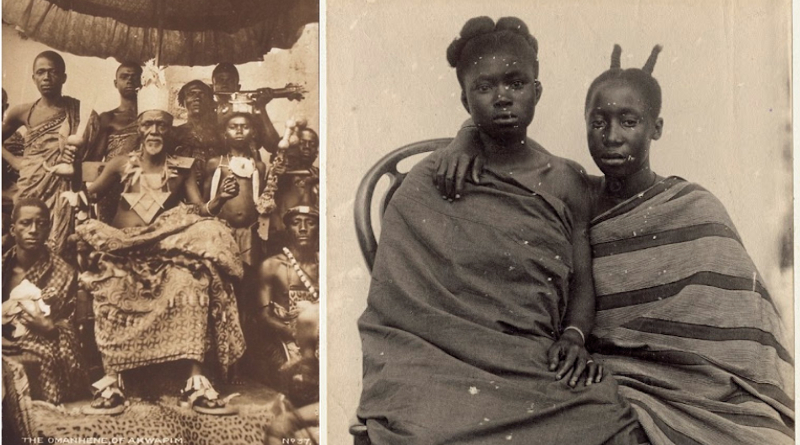
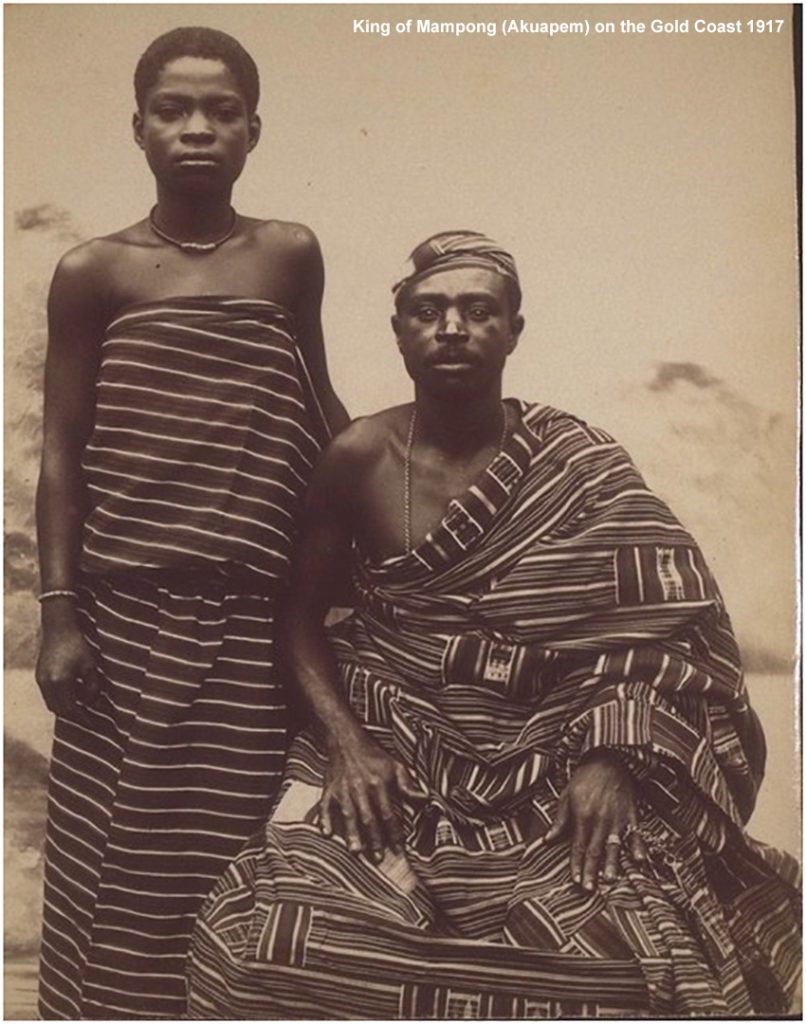
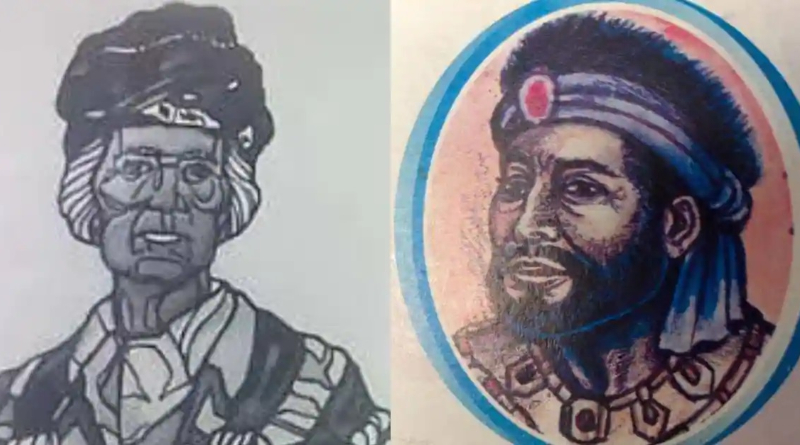
One of the major Akan ethnic groups, the Akuapem, primarily inhabits Ghana’s Eastern Region to the south. They are indigenous people that speak both matriarchal Kwa and patriarchal Volta-Comoe languages. most of them are found in Ghana’s southern Eastern Region.
History Of The Akuapem Tribe
The Akuapem were formerly Guan speakers, including the Larteh, Mamfe, Abotakyi, Mampong, Obosomase, and Tutu Guan blocks as well as the Kyerepong (Okere) Guan blocks, which comprise Abiriw, Dawu, Awukugua, Adukrom, Apirede, and Abonse-Asesieso.
The localities that speak Akan Twi include the capital, Akropong, and Amanokurom, which are home to immigrants from Akyem and Mampong, who are also from Asante Mampong in Ashanti Region. These multi-ethnic people were given the name Akuapem by Nana Ansa Sasraku I of Akwamu, a renowned warrior king.
The word “thousand groups” (Nkuu apem) in Akan Twi is the source of the name. After the people overpowered his Akwamu invasion force, he gave them these names. The term “Nkuu apem” became corrupted to become Akuapem as we currently know them.
Political Systems
Royal membership among Akan is determined through connection to the land. Anyone who traces their bloodline from a founding member of a village or town may be considered royal. Each family is responsible for maintaining political and social order within its confines. In the past, there was a hierarchy of leadership that extended beyond the family, first to the village headman, then to a territorial chief, then to the paramount chief of each division within the Asante confederacy.
The highest level of power is reserved for the Asanthene, who inherited his position along matrilineal lines. The Asantahene still plays an important role in Ghana today, symbolically linking the past with current Ghanaian politics.
Religion: Akan believe in a supreme god who takes on various names depending upon the particular region of worship. Akan mythology claims that at one time the god freely interacted with man, but that after being continually struck by the pestle of an old woman pounding fufu, he moved far up into the sky. There are no priests that serve him directly, and people believe that they may make direct contact with him.
There are also numerous gods (abosom), who receive their power from the supreme god and are most often connected to the natural world. These include ocean and river spirits and various local deities. Priests serve individual spirits and act as intermediaries between the gods and mankind. Nearly everyone participates in daily prayer, which includes the pouring of libations as an offering to both the ancestors who are buried in the land and to the spirits who are everywhere. The earth is seen as a female deity and is directly connected to fertility and fecundity.
Economy:
Early Akan economics revolved primarily around the trade of gold and enslaved peoples to Mande and Hausa traders within Africa and later to Europeans along the coast. This trade was dominated by the Asante who received firearms in return for their role as middlemen in the slave trade. These were used to increase their already dominant power.
Various luxury goods were were also received and incorporated into Asante symbols of status and political office. Local agriculture includes cocoa cultivation for export, while yams and taro serve as the main staples.
Among the Akan who live along the coast, fishing is very important. The depleted forests provide little opportunity for hunting. Extensive markets are run primarily by women who maintain considerable economic power, while men engage in fishing, hunting, and clearing land. Both sexes participate in agricultural endeavours.
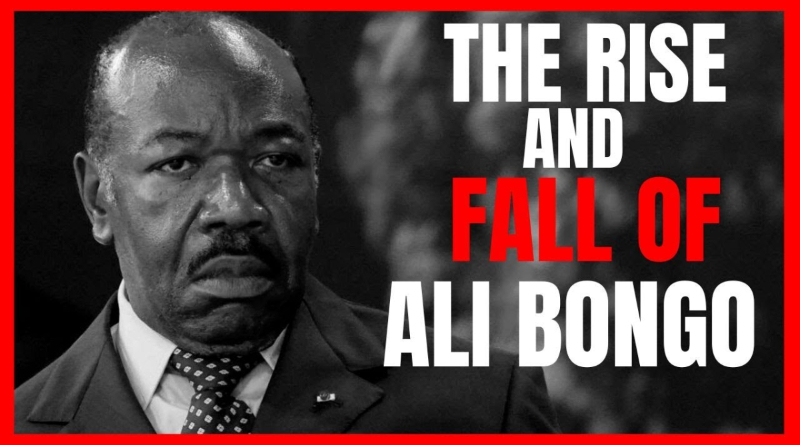
Ali Bongo Ondimba’s Gabon Longstanding Dynasty Comes to an Abrupt End as Military Seizes Power
In a shocking turn of events, Ali Bongo Ondimba, the president of Gabon, who was renowned for his love of music, forests, and conservation efforts, was overthrown by military personnel.
Up until last week, the Bongo family had dominated Gabon for 56 years before the presidency was suddenly taken away. Locals reacted differently to the abrupt transition in power, while the international world expressed concern for the survival of Gabon’s environmental initiatives.
The Coup and Bewilderment of President Bongo
Following the declaration of Mr. Bongo as the winner of a disputed election, military officers seized power within hours. President Bongo appeared genuinely bewildered when his own guards came to apprehend him, expressing his confusion in a video circulated by his Western advisors. The swift overthrow, typical of recent military takeovers in various African countries, signified the end of the Bongo rule in Gabon.
The Future of Gabon’s Conservation Efforts
Foreign conservationists expressed concerns about the potential disruption of Gabon’s efforts to preserve its forests and wildlife. Gabon recently negotiated a landmark $500 million debt refinancing deal that allocated $163 million for marine protection. Experts warned that a power vacuum could result in increased poaching, illegal logging, and deforestation, jeopardizing the country’s commitment to protecting its natural resources.
Mixed Reactions Among the Citizenry
In the capital city of Libreville, Gabonese citizens had mixed feelings about the change in leadership. While some celebrated their newfound freedom from the Bongo family dynasty, others were apprehensive about military rule and questioned whether the new government would prioritize environmental protection as its predecessor had. Concerns were voiced over potential setbacks in forest preservation and the loss of income opportunities for the Gabonese people derived from their forests.
The Bongo Dynasty and Gabon’s Unique Position
The Bongo family’s reign in Gabon can be likened to an undeclared monarchy, with President Ali Bongo Ondimba inheriting power from his father, Omar Bongo. The Bongos, known for their lavish lifestyle, amassed wealth and exerted influence during the oil boom in the latter part of the 20th century. Despite allegations of corruption, Gabon stood out from other oil-rich nations for its commitment to distributing some of the wealth among its population, reflected in higher education and healthcare standards.
Ali Bongo’s Passion for Conservation
Ali Bongo Ondimba shared his father’s passion for conservation and made significant efforts to protect Gabon’s forests and wildlife. Gabon boasts 13 national parks that cover 10 percent of the country’s landmass, and Gabonese presidents, including Ali Bongo, actively participated in international climate conferences. The former president’s advocacy for forest preservation was driven in part by the potential economic benefits from carbon credits and foreign investments.
Challenges and Cracks in the Bongo System
The Bongo dynasty faced challenges and criticism as the country’s economy slumped due to falling oil prices. Social inequalities grew more pronounced, and the opulent lifestyle of the ruling family juxtaposed with the struggles faced by ordinary Gabonese citizens. Additionally, anti-poaching efforts led to conflicts between farmers and elephants encroaching on their crops. Criticism arose during the 2016 election, with allegations of voter manipulation and a lack of infrastructure development outside the capital.
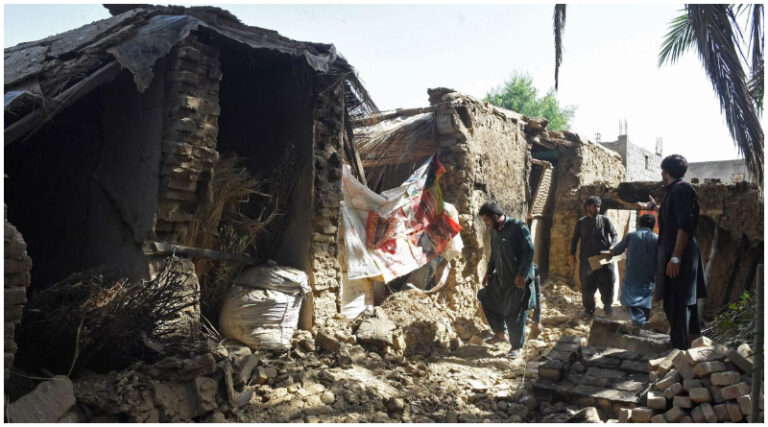
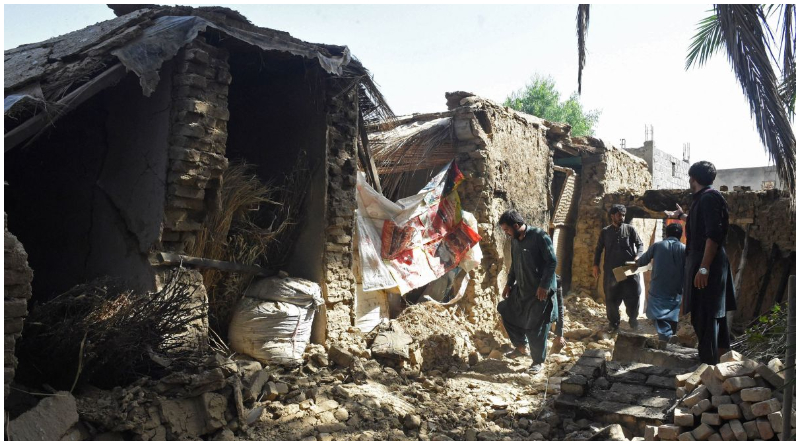
According to the country’s interior ministry, a powerful Morocco earthquake with a magnitude of 6.8 killed at least 632 people.
According to the US Geological Survey, the Morocco earthquake occurred in the High Atlas Mountains, 71 kilometers (44 miles) south-west of Marrakesh, at a depth of 18.5 kilometers.
On Friday, the earthquake occurred at 22:11 GMT (local time). A 4.9 aftershock occurred 19 minutes later.
The ministry reported fatalities in Marrakesh and numerous southern locales. It’s thought that many of the victims are in far-off places.
The earthquake, according to the interior ministry, claimed lives in the provinces and municipalities of al-Haouz, Marrakesh, Ouarzazate, Azilal, Chichaoua, and Taroudant. At least 329 people were also believed to have suffered injuries.
Many people spent the night out in the open as the Moroccan government had warned them not to go back into their homes in case of severe aftershocks.
632 people have died in a earthquake in Morocco. This is the strongest earthquake in the country in 123 years.
Hospitals in Marrakesh have seen an influx of injured people, and the authorities have called on residents to donate blood.
There are also reports of families trapped under the rubble of their homes in the city, and damage to parts of the Medina, a Unesco World heritage Site.
Some buildings in the have collapsed, one resident told the Reuters news agency. Several clips on X show buildings crashing down, but the BBC has not identified where they were.
Dust could also be seen surrounding the minaret of the historic Kutubiyya mosque in Marrakesh, a major tourist attraction near the old city’s main square.
One man described feeling a “violent tremor” and seeing “buildings moving”.
“People were all in shock and panic. The children were crying and the parents were distraught,” Abdelhak El Amrani told the AFP agency.
He said power and phone lines were down for 10 minutes.
Marrakesh resident Fayssal Badour had been driving when the quake hit.
“I stopped and realised what a disaster it was,” he told AFP. “The screaming and crying was unbearable.”
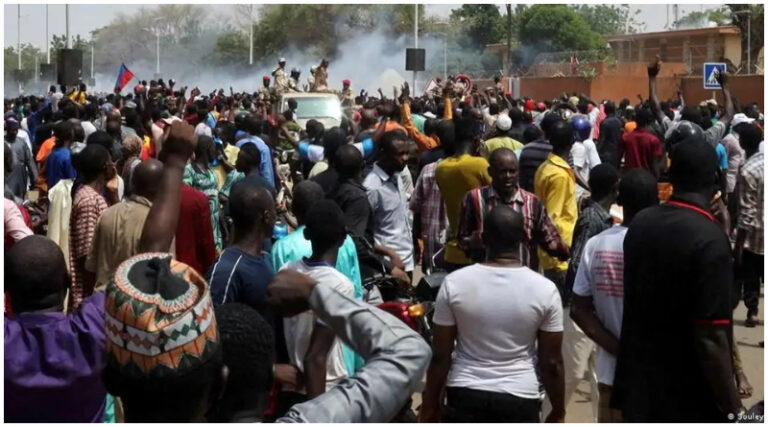
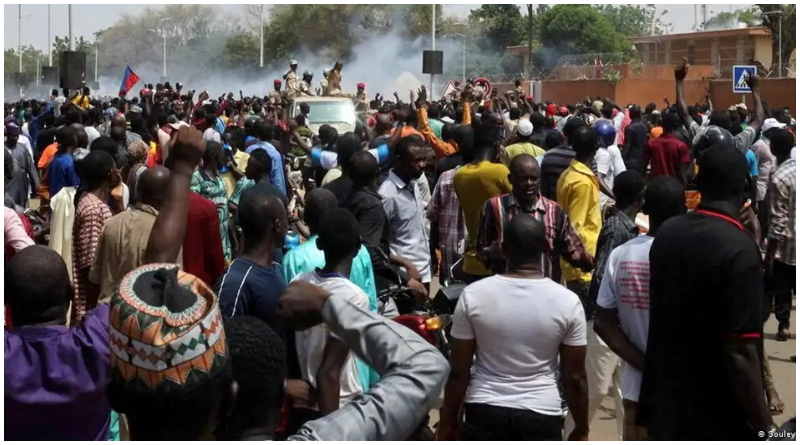
Following the Niger coup, the military junta-run neighboring countries of Burkina Faso and Mali have sternly warned ECOWAS against employing force to restore President Mohamed Bazoum.
On Monday, Burkina Faso and Mali backed the recently-installed junta in Niger and cautioned against any military interference in domestic affairs.
Towards the end of last week, President Mohamed Bazoum’s administration was overthrown by Guards chief General Abdourahamane Tiani. He has been given a week to restore Bazoum’s rule by the West African group ECOWAS following significant international condemnation of the coup.
Niger Coup: What did Burkina Faso and Mali say about the situation in Niger?
“Any military intervention against Niger would be tantamount to a declaration of war against Burkina Faso and Mali,” the two countries said in a joint statement on Monday.
They said the “disastrous consequences of a military intervention in Niger… could destabilize the entire region.” The two governments also “refuse to apply” the “illegal, illegitimate and inhumane sanctions against the people and authorities of Niger,” the statement said.
The statement comes after leaders of ECOWAS threatened to use “force” to reinstate Bazoum and imposed sanctions on Niger’s government.
In a separate statement, Guinea expressed its “disagreement with the sanctions recommended by ECOWAS, including military intervention,” urging the bloc “reconsider its position.”
The governments of Burkina Faso, Mali and Guinea are also the result of recent military coups.
Nigerien minister arrests draws EU condemnation
Niger’s military rulers have detained at least 180 members of Bazoum’s Nigerien Party for Democracy and Socialism (PNDS), according to the party.
PNDS spokesman Hamid N’Gade said that Energy Minister Mahamane Sani Mahamdou, Mines Minister Ousseini Hadizatou and party president Foumakoye Gado were among those detained.
N’Gade called the arrests “abusive” and said they stemmed from the “repressive, dictatorial and unlawful behavior” of the military.
L’UE dénonce la poursuite des arrestations de Ministres et de hauts fonctionnaires du Gouvernement du Président @mohamedbazoum par les putschistes au #Niger.
Nous appelons à leur libération immédiate.
— Josep Borrell Fontelles (@JosepBorrellF) July 31, 2023
European Union top diplomat Josep Borrell also condemned the arrests.
“The EU denounces the continuing arrests of Ministers and senior officials of President Mohamed Bazoum’s government by the putschists in Niger,” Borrell said. “We call for their immediate release.”
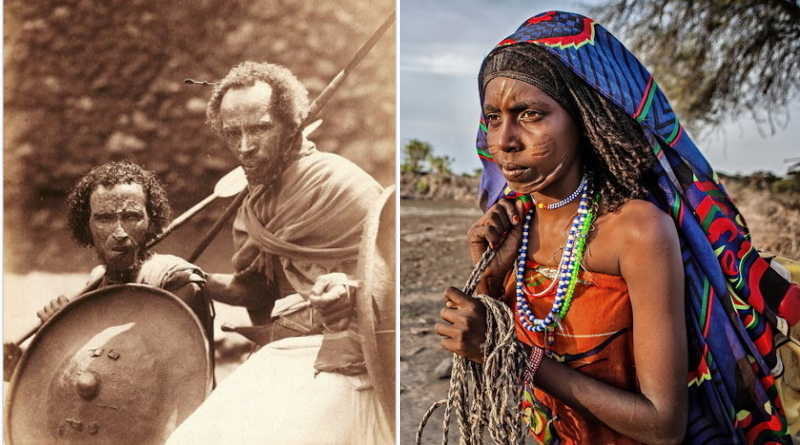
The Afar tribe are a Cushitic-speaking people who live in the Horn of Africa and go by the names Danakil, Adali, and Odali. They are mostly found in the southern coast of Eritrea, the Afar Region of Ethiopia, northern Djibouti, and the entire country of Djibouti.
The Cushitic branch of the Afroasiatic language family, which the Afar speak, includes the Afar language. Only Afars live in the Horn of Africa, and their ancestral lands border both the Red Sea and the Gulf of Aden.
The warrior tribe known as the Afar is skilled in using blades and daggers in battle. They respect their laws and cherish their culture. koo liih anii macinay kamol ayyo mogolla, which translates to “I accept you in my home as a brother but I do not accept that you put my authority in question,” is an Afar proverb. Because the Afar have yet to agree to be humble, they are at odds with the other ethnic groups.
One of the Afar’s claims to fame is due to an anthropological find in the Afar Depression. In 1974, anthropologists discovered a new species’ of man at Hadar in the Awash Valley in Ethiopia. This new species was termed Australopithecus afarensis (“afar ape-man”), and is believed to have walked around Eastern Africa between 2.9 to 3.8 million years ago. The body was found to be female and named Lucy. Lucy was able to walk upright on a human-like body but still retained a small ape-like head and primitive teeth.
Demography of The Afar People
The Afar principally reside in the Danakil Desert in the Afar Region of Ethiopia, as well as in Eritrea and Djibouti. They number globally 2,774,800 (Peoplegroups.org, 2023). The Afar make up over a third of the population of Djibouti, and are one of the nine recognized ethnic divisions (kililoch) of Ethiopia.
The Afar consist of two subgroups:
The Asaemara (“red ones”), who are the more prestigious and powerful nobles living primarily in the area of Assayita
The Adaemara (“white ones”), who are the commoners living in the desert areas. Those who live in the desert inhabit one of the most rugged regions in the world, known as the Afar Plain or the Danakil Desert.
One area, called the Danakil Depression, consists of a vast plain of salt pans and active volcanoes. Much of it lies 200 feet below sea level and has daily temperatures as high as 125 degrees F. The average yearly rainfall is less than seven inches.
Language Of The Afar People
Afars are native speakers of the Afar language. It belongs to the Afroasiatic language family’s Cushitic branch.
Ethnic Afars in Ethiopia’s Afar Region, as well as in southern Eritrea and northern Djibouti, speak the Afar language. Afar speakers can be found farther out, though, as the Afar are traditionally nomadic herders. Afar is a member of the Saho-Afar dialect cluster together with Saho.
EconomyOf The Afar People
Nomadic pastoralism is the traditional form of subsistence for the Afar, although some coastal Afar are fishers. Livestock consists of goats, sheep, and camels where the terrain is suitable, and some cattle in a few places. The Afar subsist mostly on meat, both domestic and wild, and dairy products, along with agricultural products that are sometimes stolen and sometimes obtained in trade with villagers in the Rift Valley or in the highlands.
Until about 1930, the Afar were involved in the trans-Red Sea slave trade, which may have added substantially to their subsistence base. More recently, the Afar have engaged in trade with Christian farmers on the Abyssinian plateau to the west, exchanging butter, hides, livestock, and rope for agricultural goods.
The pastoralism of the Afar is actually closer to transhumance than to full nomadism. Transhumance is a patterned movement of people among several regularly visited locations, at least one of which is permanently occupied by a part of the population, or is improved by some structure, such as a house, corral, or storage bin.
The encampments established during the seasonal migrations often consist of no more than grass lean-tos. The migrating unit has a more permanent homestead somewhere else, with larger dwelling structures surrounded by thorn-and-brush fences.
Often, it is only the younger members of the group who go on the seasonal migrations; they take the more highly valued camels and cattle to higher pastures, leaving the sheep and goats in the care of the older folk at the more permanent location.
Religious belief Of The Afar People
Islam is the predominant religion of the Afar. The Afar is Sunni Muslims and some follow the practices of the Sufi sect. The practice of Islam is rather unorthodox, particularly among pastoral Afar, in comparison to other groups (e.g., the Somali). Islam is believed to have been first introduced into the Afar by migrant Arabs as early as the ninth century or earlier.
Then it was spread across many places by Afar merchants from the coast and non-Afar people from neighbouring areas such as Harar and Argoba (Getachew, 2001). There are still traces of the Cushitic religion, which can be seen in shrines erected on mountain tops to offer sacrifices to the sky/god Zar/Wak. Zar/Wak, the father of the universe, perhaps provided an easy transition to Allah and Islam.
Jenile, or oracle dancing, is also connected to the Cushitic religion ( which includes some of their older religious beliefs, particularly a dominant Sky-god), and aspects of the dance may have been incorporated into Sufi Islamic ceremonies.
Music And Dance
Afar in the culture, dance is an important and supports the important moments of life. Dance (LAALE), performed exclusively by men, or dance (MALABO),performed exclusively by women and dance (KEEKE) together men and women, for example, accompany the ceremonies of marriage. In the Afar traditional register, there are games (SAXXAQand KASSOW), songs of praise (GAALI SAARE and FARAS SAARE ) and prophetic words of the soothsayer (ADAL).
Clothing
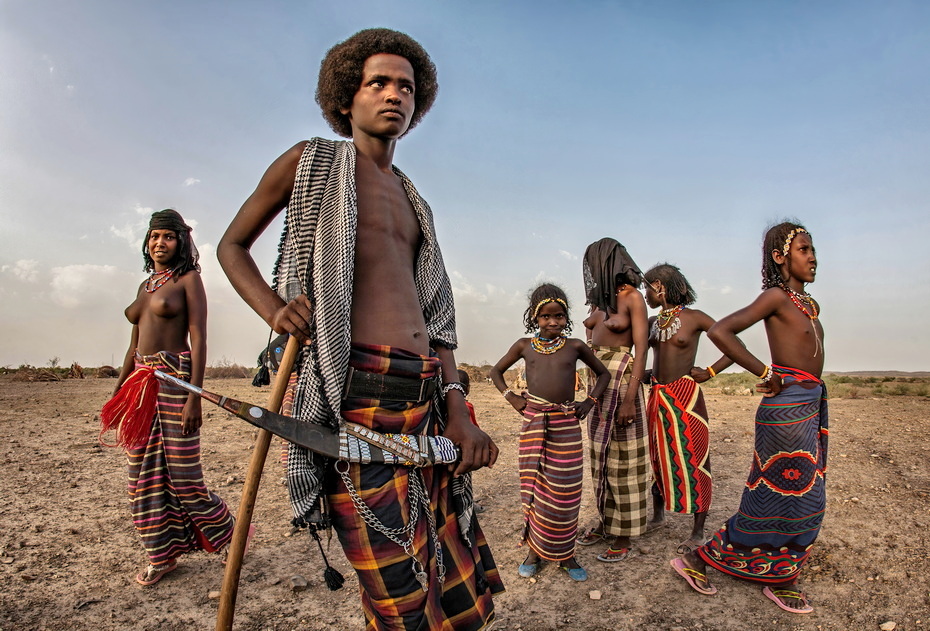
The Afar culture includes unique items of clothing. Men and women generally wear the same article of clothing, the sana-fil, which is a length of fabric wrapped around and tied at the waist. The woman’s sanafil was traditionally dyed brown, but modern Afar women have adopted multicolored sanafils. The man’s sanafil was traditionally undyed, and that preference persists to the modern day.
Married women traditionally wear a black headscarf called a shash. Afar men are also known for wearing the jile, a long, double-edged curved dagger, at their waists.
Food
The diet of the Afar consists of fish, meat, and sour milk. They also enjoy a porridge made from wheat flour and heavy round pancakes made of wheat topped with red pepper and ghee (clarified butter). Milk is so important to the Afar that it is also used as a social offering, given to visitors to establish a proper guest-host relationship.
Reflecting Muslim practice, food must be handled with the right hand. The left hand is used for impure purposes. Using the left hand for food, to accept a present, or for shaking hands is considered a serious affront. The Afar enjoy a a type of palm wine made from the doum palm.
Folk Art, Crafts, and Hobbies
The Afar traditionally engage in various kinds of skills such as wood and metal working, weaving, pottery, and tanning. They weave fabric to be made into traditional clothing, including the man’s sanafil, a white cloth wrapped at the waist and tied at the right hip. The woman’s sanafil is wrapped the same way, but the fabric is dyed brown. Fabric is also woven for the optional shash, a black cloth that married women may choose to wear on their heads. The Afar do some metalworking to produce tools and instruments, such as the jile, a curved, double-edged dagger.
The role of women
Afar women play a central role in the production and household income earning. Besides their contribution to domestic chores (cooking food, fetching water and taking care of children), they are engaged in milking of small ruminants such as goats, looking after small stock animals in the field, as well as selling of some livestock products such as butter. The construction of the traditional mat house typical of many mobile pastoralists is also the task of women.
Nevertheless, despite their role in reproductive and productive activities, women occupy a marginal social status in Afar society. It is often the case that Afar women do not have full membership rights while their own male children do. For example, women do not have equal rights as their male counterparts with regard to inheritance. They are also less likely to be treated equally before the traditional jurisdiction. Hence they tend to be submissive and timid.
The role of clan elders
Age is an important factor in the traditional leadership structure of the Afar. Elders not only command resources at the household and community levels but they also shape the behaviour of children and grand children. Elders have a symbolic authority over younger generations and hence play a significant role in the provision of informal education and disciplining of the young generations. Through fairy tales, proverbs and stories, elders pass on tradition, folk-culture and wisdom to successive generations.
However, post 1960s developments in the area have resulted in changes to the strength of the customary rules of social relationship and economic exchange, and to the extent to which elders influence the youth. There has been a growing threat to the type of gerontocracy that existed for centuries in Afar land. In the past, elders were able to manage and counterbalance the aggressiveness and military orientation of the youth. The adoption of agriculture and urbanized life (together with other factors such as increased vulnerability to livelihood crisis due to drought and famine as well as the influence of highland culture) has created a favourable ground for rather individualistic mentality and less concern for communal tradition.
The economic and social support network weakened. The youth now have little regard to customary ways of dealing with things and are defiant to traditional laws and guidelines. Hence rebellious behaviour has increased on a substantial scale. On the extra-local dimension some challenges have started to flourish over the past decades due to the influence of global processes.
Today, respect for elders and the traditional hierarchy of authority has been seriously diluted through westernisation. The diffusion of new western values signalled the breakdown of tradition and custom, whichhad once provided effective mechanisms of social control. These current trends create psychological stress within individuals and societies. Generational conflicts and disagreements, therefore, appear to have become endemic. This phenomenon has had serious repercussions for the basic norms of social and economic cooperation among different groups among the Afar and their neighbouring territories.
Social status, property relations, and household decision making
In typical Afar households, men are heads of respective families. Men are generally accepted as an authority figure and have the greatest share of rights over property and children. Household heads also decide on such matters as mobility and sale of livestock. Although household decision-making is often based on subsequent negotiations with women, men have the ultimate say. Livestock may be owned individually although they are regarded as assets of the entire household. Children have their own livestock. Following birth, a child receives female goats or a camel “to see the luck”. This takes place during initiation ceremonies such as circumcision or the tying up of the umbilical cord. If the animal reproduces and survives environmental hazards, the child is considered lucky. First-born babies have the advantage of getting more animals.
Female children often receive fewer animals than male children. Women generally occupy a lower social status in Afar society. When the head of the family dies, moreover, daughters do not inherit property on an equal basis with sons. Should the children of the deceased father be females only, the father’s close agnatic kin (especially the father’s-brother) will have a share.
The household division of labour in is based on gender and age. Accordingly, male adults manage the herd and the household. The husband undertakes the herding, milking and selling of animals (often following discussion with his wife). The wife, on the other hand, fetches water, grinds grains, and prepares food in the house. She also sells small stock animals and ropes (Aketa). Women are also actively involved in the preparation of temporary shelters (Senan Ari) for newly married couples.
Children assume a prominent role in herding and related activities. Calves and small stocks are tended in the nearby areas by children (boys and girls) and sometimes by female adults. Most adult men do not normally carry out manual work unless they are poor and do not have grownup children. They are responsible for managing all matters pertinent to the household and the community at large, for example, defending the family and its herd from wild animals and raiders, settling legal disputes, marriages, bride-price, marital problems and arranging ritual ceremonies. Otherwise, they have to do the much harder task of herding camels in far away places.
The basic resources (livestock and land) are mainly under the control of men who are responsible for the major economic decisions of purchasing and marketing of proceeds. Although women are excluded from major decision-making and control limited resources, they, make decisions and have control on the income from sales of milk products and skins. With reduced herd sizes, the quantities of these products are decreasing and thus the role of women in their control is also decreasing. There are cases where women own some animals but they cannot make major decisions, such as how to dispose them without the husbands’ permission.
Some writers (Markakis, 2004) have pointed out pastoralism is not only a mode of production but also a way of life and a culture. The two features are closely related. The Afar case is no exception.
Afar pastoralists are well aware of the dilemmas in their mode of production and tend to take rational actions as coping mechanisms with the aim of easing the burden on pastoral resources by minimizing herd and household size. Some of the specific measures taken include mobility of household units, reduction of herd size during particular seasons, taking up farming and other income generating activities in order to reduce exaggerated reliance on livestock husbandry and herd size. Environmental and ecological factors forced the Afar pastoralists to show a steady inclination to agro-pastoralism. Successive governments have also encouraged the process of sedentarisation and agro-pastoralism in the Afar. As is the case with other east African herders the Afar pastoralists are drawn into the market in order to satisfy some of the basic household economic requirements.
Kinship, marriage and territorial organization of the Afar
The Afar has a social organization which is similar to that of other pastoral societies in Africa such as the Somali. Central to the Afar social structure are descent and affinal ties. The Afar have a patrilineal descent system based on which a person belongs to a particular clan (mela). Afar settlements are composed of a mixture of clans although each locality is identified with a major clan and affines.
This makes it easier to organize social, economic and political support in times of crisis. Clan members are expected to share resources and help each other in emergencies. Such support becomes practically difficult to claim when members of a kinship group or a particularclan are far apart. The current dispersion of Afar over distant areas within and outside Ethiopia in search for wage employment is thus considered by many Afar as a setback to clan solidarity in many respects, including dispute settlement. According to some writers, the Afar have a saying related to intra-clan sharing behaviour: “Sagage’ri nama lakal masa” (Literally: a cow’s tail is equidistant from both its legs.) This means: Those belonging to the same group share and share equally, both the good and bad.
Hence, residents either belong to the same clan or are marital relatives. But in each settlement there are also local groups as movement into and out of these settlement areas is more or less free. Getachew (2001) has observed that the Afar try to maintain solidarity through a strong clan identity. Majority of the Afar who have migrated to other places establish strong links with their place of origin in the rural areas through regular visits, sending remittances back home.
There are several clans in northern Afar of which the dominant are Seka, Damohita, Dahimella, and Hadarmo. Each clan is divided into several sub-clans and lineages (Affa). Clans are represented by clan heads, who access leadership status based on their age, strength in decisionmaking and overall credibility in the society. Leadership positions are sometimes accessed through inheritance. Upon the death of a clan head, his sons will be considered for the position but if they lack the necessary quality of leadership, an election may be arranged.
Clan heads are entrusted with the responsibility of regulating the behaviours of clan members. They are also expected to mobilise clan members for some positive pursuits, including co-operation in certain domestic activities and raising money for compensation for any physical or psychological damage caused upon others during violent conflict. They make sure that every clan member is socially, economically and politically secure. As a result of this burden, it is not uncommon for people to reject proposals for heading a clan. This also signifies that loyalty to clan leaders should be maintained at all cost. The Afar expresses this through a proverb: “Essi Amoita Hamita Mella Ke Daar Akak Maki Me Garbo Aysuk Matayssa” (A forest through which a river has ceased to run, and a clan even slightly unfaithful to its leader are both on the decline).
In terms of size, the Seka clan is largest. In fact it is said that the town of Ab’ala is also named Shiket because it is largely inhabited by members of the Seka clan. Members of this clan are believed to have religious power. Politically, however, the Damohita clan is dominant and can be considered aristocratic. For these reasons the Damohita and Seka clans play significant roles in dispute settlement processes as ritual leaders.
The Afar practice exogamous marriage and polygamy is exercised in accordance with Islamic laws. There are several marriage patterns. These include inter-clan marriages between unrelated people, cross-cousin marriages (Absuma) and leviratic arrangements (widow inheritance). It is claimed that cross-cousin marriages are stronger than marriages between unrelated persons because no serious harm is inflicted on ones own blood and flesh in times of conjugal conflict.
In the interior parts of north Afar country, cross-cousin marriages are almost always mandatory. In some areas particularly in the south fierce inter-clan fighting may arise as a result of failure to adhere to such a norm. In areas close to the ethnic borders, however, such a norm is loosely observed as a woman can marry men other than her mother’s brother’s sons.
On the other hand parallel cousin marriages are strictly forbidden for cultural reasons. One informant commented: “even though this [parallel cousin marriage] is not completely forbidden (haram) in religious terms, our Ada[custom] does not allow us to exercise it.” There is, of course, an explanation for this. A person cannot marry his father-brother’s daughter because ideally these children belong to one father.
A Father-brother may, upon the death of father, replace the biological father and marry the widow of his deceased brother. The same applies for the mother-sister’s children. In short, father- brother and the mother-sister are potential fathers and mothers. Betrothal for marriage engagements may begin during childhood. This is done following a nominal payment in cash. The actual wedding however usually takes place when girls reach their mid teens during which there is a transfer of bride wealth (alekum) amounting to about 1000 Birr or more. The amount to be paid in bride-wealth varies from family to family as it is ultimately decided, in negotiations, by the girl’s father. The paid money is partly spent on the purchase of some food items and material for establishing an Afar mat house (Senan Ari) for the new couple.
Wedding ceremonies take place in the house of the bride’s family where friends and relatives enjoy their porridge. Upon marriage, residence is normally patrilocal and the couple may stay there until the bride gives birth to a child. If the husband wants to take his wife, he has to pay 30 to 50 Birr to her family.
This money is actually used for buying butter (subah) and wheat flour for the newly married couple. This is done on one market day (Thursdays). A few days later, the boy’s father brings two camels, loads them with the butter (subah), wheat flour and mat (Senan) and takes the couple to the place where they will construct their own house. The wife’s mother usually accompanies the couple to help them construct their house and returns home after three days. When the wife gets pregnant, the husband usually takes her back to her family for delivery. The husband would then dismantle the mat house.
After a period of up to four months following delivery, sometimes after a whole year, the couple return to their home, which they would have to re-erect. The same procedure is commonly followed at the second and third pregnancies. Depending on the capacity and willingness of the husband to support his wife economically and socially, a wife may continue to deliver at her parents’ home even after the fourth child. The northern Afar tend to have as many children as possible. One justification for this is that children are viewed as an opportunity for the diversification of household income as they may engage in a variety of activities, such as trade, salt caravans, labours migration and herding thereby averting the consequences of a decline in income from any one particular activity.
In the early years of marriage, however, the birth of many children may constitute a burden on the husband. One common solution is migration by the husband to Saudi Arabia or Djibouti in which instance the wife and children move to live with the wife’s parents.
As highlighted earlier, it is evident among the northern Afar (conceivably more than in the southern part of the Afar region), that people adopt sororate and levirate marriage arrangements. A man is forced to marry his brother’s widow when the original husband dies. Similarly, a woman must replace her sister as a wife when the latter passes away. This practice is said to be for the sake of the children of the widow (Gubna) or that of the widowed (Ardiglu). In accordance with Islamic laws, for a few months after the death of her husband, a widow (Gubna) is expected to exhibit some self-punishing behaviours including avoiding luxury things such as delicious food, perfume and so on.
Summing up, the Afar social organization is highly segmented with small social units such as clans, sub-clans, lineages, and households. Each of these has the autonomy to deal with its own domestic matters. Within these units, kinship groups enjoy a multitude of reciprocal rights while at the same time fulfilling certain obligations that are instrumental for inter-group solidarity, and continuity of the group as an economically and socially viable entity. Within a pastoral context, the rights and obligations include, the sharing of bride wealth and blood.
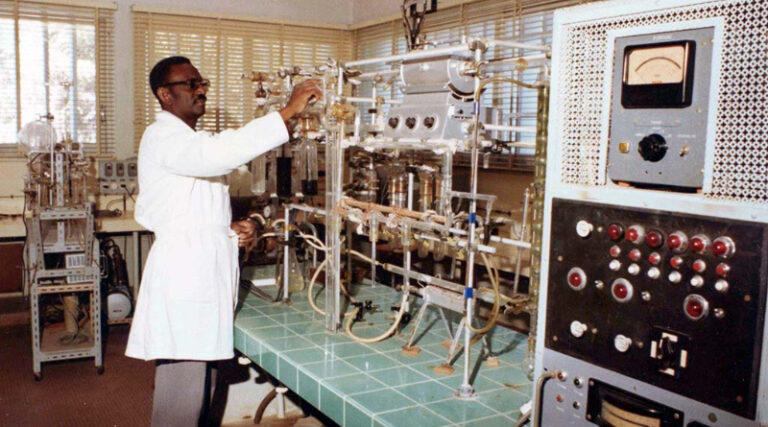
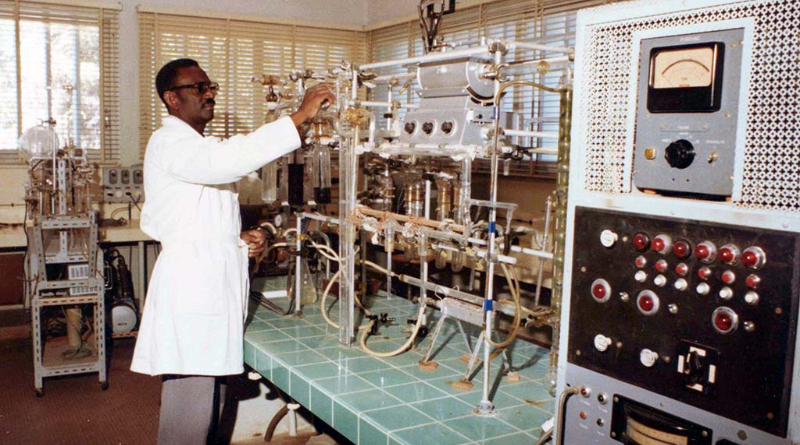
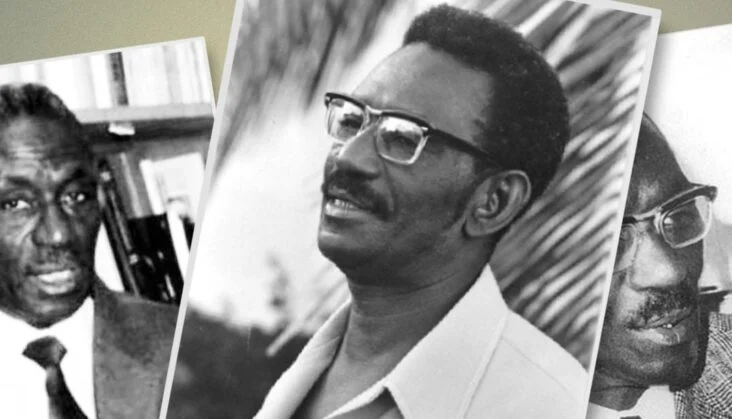
Cheikh Anta Diop, a Senegalese historian, anthropologist, physicist, and politician, lived from 29 December 1923 to 7 February 1986. He focused on pre-colonial African civilization and the history of the human race.
Despite the fact that Diop never identified as an Afrocentrist, his work is regarded as being fundamental to the philosophy of Afrocentricity. The postcolonial turn in the study of African civilizations was significantly influenced by the problems he raised concerning cultural bias in scientific inquiry.
African people, according to Diop, share a cultural continuity that is more significant than the varying linguistic and cultural development of many ethnic groupings across time.
Some of his theories have drawn criticism for being founded on outmoded information and a dated understanding of race. Others have defended his work against what they see to be pervasive distortion.
Early life of Cheikh Anta Diop
Diop was a Senegalese Muslim Wolof who was raised in an aristocratic Wolof family and attended a traditional Islamic school. He was born in Thieytou, in the Diourbel Region of Senegal. According to Diop, athe Mouride brotherhood was the sole independent Muslim fraternity in Africa.
Before traveling to Paris to pursue a degree, he earned the colonial equivalent of the metropolitan French baccalauréat in Senegal.
Career
In 1971, Diop was a member of the UNESCO International Scientific Committee for the Drafting of a General History of Africa and penned the General History of Africa’s introductory chapter on the history of the ancient Egyptians.
In this chapter, he provided anthropological and historical evidence in support of his theory that the ancient Egyptians shared a close genetic affinity with Sub-Saharan African ethnic groups.
These examples include the B blood group shared by modern Egyptians and West Africans, “negroid” body proportions in ancient Egyptian art and mummies, microscopic analysis of the levels of melanin in mummies from the lab of the Musée de L’Homme in Paris, firsthand accounts of Greek historians, and shared cultural linkages between Egypt and Africa in areas of totemism and cosmology.
What is Dr Cheikh Anta Diop known for?
His three most well-known books are Towards the African Renaissance: Essays in African Culture and Development, 1946-1960 (1978), The Cultural Unity of Black Africa (1978), and The African Origin of Civilization: Myth or Reality (1974).
Was Cheikh Anta Diop a mathematician?
Born in Diourbel, Senegal; Cheikh Anta Diop was a scientist, mathematician, and historian/anthropologist. He was a well known African historian, who authored many books on African and world history, and dispelled the myth of Egypt being non-African.
Here is what you need to know about the first signs of human life in AFRICA
Human life in AFRICA is one of the most talked about topics across the globe. It is widely known that Africa is the birthplace of humanity, where the earliest evidence of human existence has been discovered.
Human history spans a minimum of 2 million years, with some experts suggesting it could extend as far back as 12 million years.
Approximately 2 million years ago, hominids, human-like creatures, started crafting and utilizing tools in East Africa. These early human groups dispersed in various directions, gradually spreading their tools and cultural practices across the globe.
These creatures lived among other animals that were often much more powerful than they were. They had to find ways of surviving. On the day that the first of these hominids picked up a stone to throw at another animal (either in self-defence or to kill for food) there took place the most important revolution in the whole history of humanity. For a stone, used like this in those early times, became the first tool. These tools gave the weak hominid a chance to survive.
Changes in the climate of the world (centuries of ice, centuries of rain, centuries of drought) made life difficult. Only those creatures that could cope with these changes could survive. Over thousands of years they learnt how to make fire and to cook.
They started burying their dead. Their societies developed the Saharan region rules of living and of order. We can be sure that they prayed to various gods, sang songs, danced, and used paint on their bodies. Up to this point, the story of humanity is more or less the same all over the word.
Then suddenly, about 12 000 years ago, the story of Africa goes its own way.
Basil Davidson, one of the best writers of the history of Africa, says: “Pastures appeared. Rivers flowed. The land became fertile.” People from North Africa and from West-Central moved into Europe and Asia.
African Inventions are great and have massive positive impacts in the world. Many American history textbooks tend to depict Africa as an uncivilized continent. Our education primarily focuses on European origins such as the Enlightenment, Scientific Revolution, Industrial Revolution, and numerous other ‘revolutions.’
Constant exposure to European achievements and a Eurocentric perspective on history often lead some individuals to believe that all greatness stems from Europe. However, African history predates slavery, contrary to what textbook publishers may imply.
Here, I present ten inventions originating from Africa that have profoundly shaped the course of human history.
African Inventions That Changed The World
1. Math
Contrary to popular belief, civilizations existed before Europeans ‘discovered’ them *gasp*. Ancient black Egyptians created the earliest numeric system on record, and they were also the first civilization to create and solve arithmetic equations.
No, neanderthals were not the first species to create art. In fact, the oldest known artwork in human history was discovered in Blombos Cave in South Africa. It consisted of two pieces of engraved ochre depicting abstract designs and symbols.
According to Dr. Clyde Winters in his book The Ancient Black Civilizations of Asia, the oldest known form of writing developed between 5000 and 3000 B.C. in sub-Saharan Africa. This writing system has come to be known as Proto-Saharan.
Yup, our stone-age ancestors in sub-saharan Africa were the first human species to develop a language system. A recent scientific study found that every language in the world can be traced to the dialect spoken by our African ancestors over 100,000 years ago.
5. Medicine
Although all civilizations had discovered how to use some form of medicine, ancient black Egyptians invented a concrete system of medicine that involved schooling for practitioners and written documentation of the methods of healing used. And let’s not forget that ancient Egyptians were also the first civilization to perform surgery.
The industrial ‘revolution’ would have never happened had it not been for Africans smelting iron over 2,500 years ago. Ancient Tanzanians had been producing carbon steel long before Britain industrialized metallurgy.
7. Architecture
Despite the disturbing movement to prove that aliens were in fact behind the architecture of Egypt’s great pyramids (is it really that hard to believe that black people can create architectural masterpieces??), some of the world’s greatest and oldest architectural masterpieces are in Africa. The Pyramids of Giza, the Step Pyramid, the city of Great ZImbabwe, the Nubian Pyramids- all of these iconic sites are proof of the highly advanced system of architecture and engineering that ancient Africans developed.
If you own a phone, chances are that it is made out of minerals deriving from Africa- specifically the Democratic Republic of Congo. Cobalt is a mineral found in DRC that is used to make rechargeable batteries. The DRC is one of the richest countries in the world in regards to natural resources, and everything from copper and cobalt to diamonds and tin are found there.
9. The Calendar
Ancient Egyptians invented the earliest calendar system over 5,000 years ago. And the way that we divide our days into hours and then minutes? That is also because of Egyptians.
10. Cooking
This one’s pretty obvious considering how many flavorful and seasoned dishes come from the motherland. Ash that was found in a South African cave has led archaeologists to conclude that our ancestors were cooking with fire one million years ago.
The Ewe Priest Togbe Tsali has a mysterious story.
The Ewe Priest, Togbe Tsali lived during the reign of the wicked king called King Agorkoli at Notsie. As a result of the wicked treatment the people received from their king, he(Togbe Tsali) decided to run away to a new location(Eweland) with some of the people..
The Ewes and Anlos hold deep reverence for him, and he continues to reside among them. Whenever his spirit is invoked, his presence is strongly felt.
His name is Tsali, the twin brother of Tsala and the son of Togbi Akplormada. Both twins possessed extraordinary mystical powers that left many in awe. Although we briefly learned about him in basic school, this article delves into the enigmatic tale of Togbe Tsali, the priest believed to be alive.
According to historical accounts, Togbe Tsali had the ability to accelerate the growth of plants, causing them to bear fruit within a single day, along with other astounding miracles.
Legend has it that prior to the Ewe people settling in present-day Ghana, they were subjected to the harsh rule of Tɔgbui Agɔkoli in Notsie, a town located in southeast Togo. When the Ewe people could no longer endure his oppressive reign, they sought the assistance of a renowned and powerful hunter named Togbe Tsali. Togbe Tsali led them and aided them through various mystical means.
The Ewe people firmly believe that since Togbe Tsali did not die a natural death but rather disappeared, he must still be alive, and they sense his presence within themselves.
Togbe Tsali was brutally killed and dismembered, but astonishingly, he resurrected after three days, similar to the resurrection of Jesus Christ, our savior.
According to oral tradition, Togbe Tsali summoned rain to fall exclusively on his farm, which provoked the Ewe people to capture him, bind him, and cast him into a river. However, they discovered him the following day, riding atop a crocodile.
Furthermore, when speaking with one of the chiefs from that era, he affirmed that Togbe Tsali is still alive, as per their belief.
The belief that Togbe Tsali remains alive persists among the Ewe people to this day.
If you have been searching for the haitian revolution but seem to get details of it, here is the best article for you to read.
Haitian Revolution
The Haitian Revolution is the largest and most successful slave rebellion in the Western Hemisphere. It all started when slaves initiated the rebellion in 1791 and by 1803 they succeeded in ending not just slavery but long term French control over the colony.
The Haitian Revolution, however, was much more complex, consisting of several revolutions going on simultaneously. These revolutions were influenced by the French Revolution of 1789, which would come to represent a new concept of human rights, universal citizenship, and participation in government.
Saint Dominigue, as Haiti was then known, rose to prominence as France’s richest overseas colony in the 18th century thanks primarily to the products it produced—coffee, cotton, indigo, and sugar—using slave labor. There were five different types of interest groups in the colony at the time of the French Revolution, which began in 1789.
There were petit blancs, who were artisans, store owners, and teachers, as well as white planters who controlled the plantations and the slaves. Some of them had some captives as well. They made up 40,000 of the colony’s inhabitants all together. When France imposed high tariffs on the goods imported into the colony, many white people on Saint Dominigue started to back an independence campaign.
Because they were prohibited from trading with any other country, the planters were very dissatisfied with France. Additionally, Saint-Dominique’s white community lacked representation in France. The planters and petit blancs both stayed committed to the institution of slavery despite their demands for independence.
The three remaining groups, including the free people, the slaves, and the fugitives, were all of African origin. In 1789, there were roughly 30,000 free Black individuals. They were usually richer than the petit blancs because half of them were mulatto.
The slave population was close to 500,000. The runaway slaves were called maroons; they had retreated deep into the mountains of Saint Dominigue and lived off subsistence farming. Haiti had a history of slave rebellions; the slaves were never willing to submit to their status and with their strength in numbers (10 to 1) colonial officials and planters did all that was possible to control them. Despite the harshness and cruelty of Saint Dominigue slavery, there were slave rebellions before 1791. One plot involved the poisoning of masters.
Inspired by events in France, a number of Haitian-born revolutionary movements emerged simultaneously. They used as their inspiration the French Revolution’s “Declaration of the Rights of Man.” The General Assembly in Paris responded by enacting legislation which gave the various colonies some autonomy at the local level. The legislation, which called for “all local proprietors…to be active citizens,” was both ambiguous and radical. It was interpreted in Saint Dominigue as applying only to the planter class and thus excluded petit blancs from government.
Yet it allowed free citizens of color who were substantial property owners to participate. This legislation, promulgated in Paris to keep Saint Dominigue in the colonial empire, instead generated a three-sided civil war between the planters, free blacks and the petit blancs. However, all three groups would be challenged by the enslaved black majority which was also influenced and inspired by events in France.
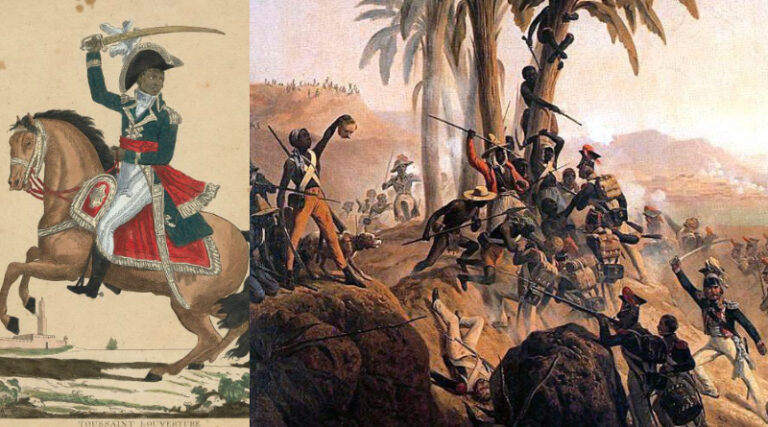
Led by former slave Toussaint l’Overture, the enslaved would act first, rebelling against the planters on August 21, 1791. By 1792 they controlled a third of the island. Despite reinforcements from France, the area of the colony held by the rebels grew as did the violence on both sides. Before the fighting ended 100,000 of the 500,000 blacks and 24,000 of the 40,000 whites were killed.
Nonetheless the former slaves managed to stave off both the French forces and the British who arrived in 1793 to conquer the colony, and who withdrew in 1798 after a series of defeats by l’Overture’s forces. By 1801 l’Overture expanded the revolution beyond Haiti, conquering the neighboring Spanish colony of Santo Domingo (present-day Dominican Republic). He abolished slavery in the Spanish-speaking colony and declared himself Governor-General for life over the entire island of Hispaniola.
At that moment the Haitian Revolution had outlasted the French Revolution which had been its inspiration. Napoleon Bonaparte, now the ruler of France, dispatched General Charles Leclerc, his brother-in-law, and 43,000 French troops to capture L’Overture and restore both French rule and slavery. L’Overture was taken and sent to France where he died in prison in 1803.
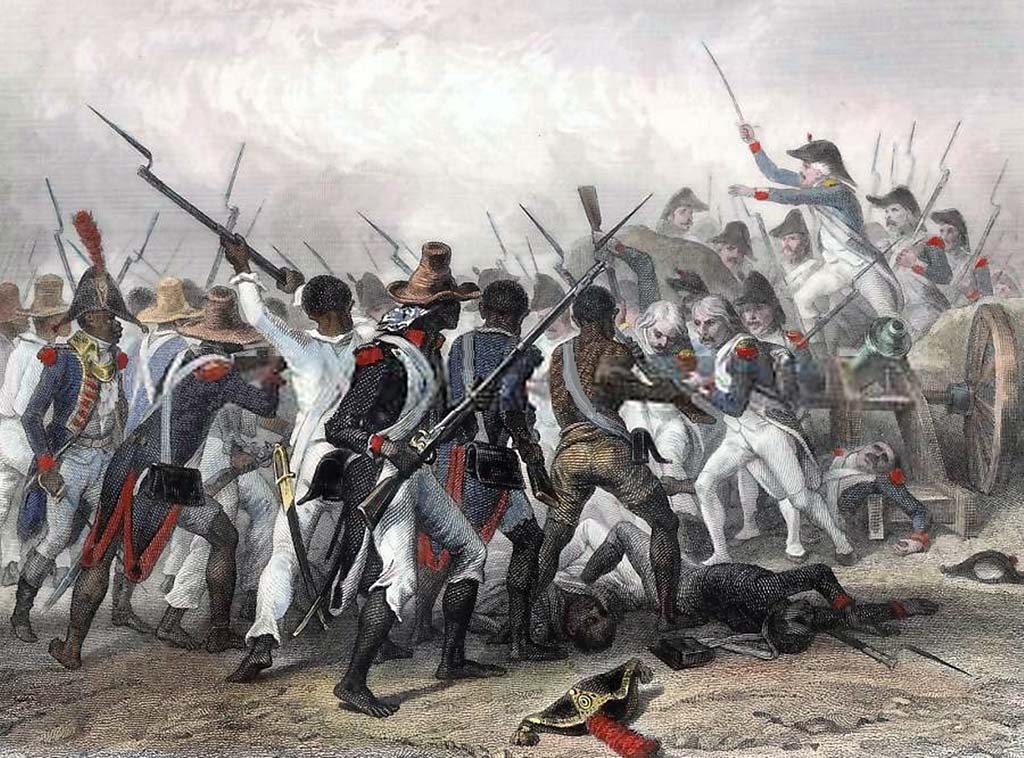
Jean-Jacques Dessalines, one of l’Overture’s generals and himself a former slave, led the revolutionaries at the Battle of Vertieres on November 18, 1803 where the French forces were defeated. On January 1, 1804, Dessalines declared the nation independent and renamed it Haiti. France became the first nation to recognize its independence. Haiti thus emerged as the first black republic in the world, and the second nation in the western hemisphere (after the United States) to win its independence from a European power.