Author

knowafricaofficial

Browsing

The Mali Empire is one of the popular empires to exist in the world. Here is how strong the empire was and it European slaves

Wagadu empire, throughout most of her history, from the 5th century CE to the 12th century CE, maintained the traditional ways of the natives of the empire. Mali empire which later absorbed the Wagadu empire in the 13th century CE had elites that had embraced the sociological ideology that was coming into Africa from the Arabian peninsula through the trans-saharan trade routes.
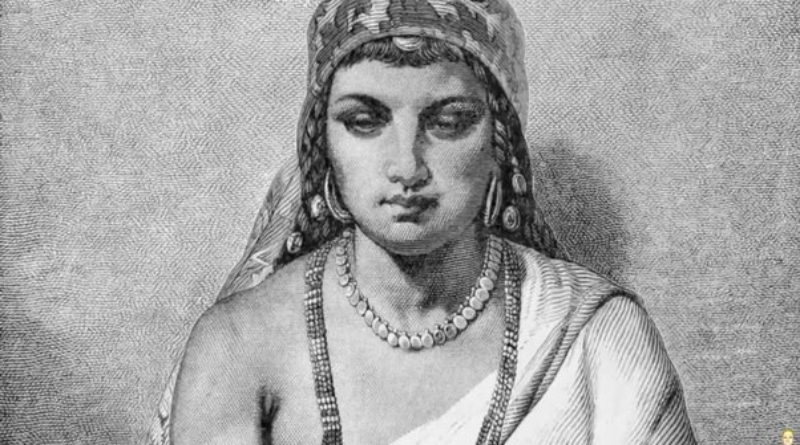
EMPIRE

Although the generality of the people of Mali retained their traditional religious beliefs and spirituality, especially that of the griots.

READ ALSO: The Zulu Tribe Of South Africa Where Girls Still Undergo Vìrginity Tests And Are Given Certificate

Becoming a Muslim was a matter of convenience for west African princes in Gao, Kano, Tekrur and Timbuktu, mostly from the later parts of the 7th century CE, at the peak of the trans-saharan trade which blew most west African city-states to eye-watering riches.

But with the trans-saharan trade also came foreign cultures, and with it, the young sociological ideology of Islam and a steady flow of captured and enslaved people from the Mediterranean to north Africa and then west Africa, as well as from west Africa to the Arabian peninsula.

The trade in humans by the Arabs had lasted for about 1000 years, even before the triangular, European trans-atlantic slave trade began in the 15th/16th century CE. While the European trans-atlantic slave trade wore a racial veneer, the Arabs slave trade had no racial undertones, but it rather exuded a religious drive as well as the economic gain that came with it.

To this effect, laws were written concerning enslavement by several Islamic scholars and jurists. Mahmud Bambari wrote in the 14th century CE thus; “…Anyone who’s known to be from those lands which are known to be lands of Islam should be let go and should be adjudged free… This is the ruling of the jurist from Andalusia.” These laws were taken seriously and many groups in west African embraced the belief system from the Arabian peninsula to avoid capture and enslavement.

For the kings and princes of west Africa, becoming a Muslim meant that the markets of the Mediterranean were open to them as well as possible alliances with caliphs of Arabia. This situation had stretched into the 19th century CE.

Enslaved persons from both Europe and Africa were given as homage or sold to caliphs, kings and princes from north Africa, Arabian peninsula and Mali empire. For example, during the famous raid of Lisbon in the 10th century CE, 3000 young European women were sent to the Arabian peninsula as homage to the Caliphs. This might have seemed like normal part of everyday life, and European slaves were also brought to the Mali empire from about the 13th century CE.

READ ALSO: Seven most Influential African Empires

The enslavement of Europeans that were brought into north Africa and the Arabian peninsula was common in medieval times, to an extent that king George I, in 1721, once lamented of how “most of his subjects were taken into slavery in north Africa” by the Arabs -(Nature knows no colourline by J.A. Rogers).

This line of slavery was so intense that most coastal towns in Europe were vacated. Not much people of the Soudan (as most of west Africa was known then) were enslaved, most of the enslaved, captured by the Varangians, Vikings etc and sold to the Arabs or Jewish merchants from Cordoba were Europeans. For example “Mulai Ismail of Merknes, Morocco had 25,000 European slaves who had participated in the building of his colossal stables.” -(The golden age of the Moor, by Ivan Van Sertima).

The Mamluk were ruling Egypt in the 13th century CE at the same time Mansa Suleiman was ruling the Mali empire after the death of Mansa Musa. Al Umari of Damascus who travelled to Africa wrote this of the Mali royalty: “The king of this realm sits in his palace on a big dais (mastaba) which they call Banbi, on a big seat made of ebony like a throne for a heavily-built sitter. Over the dais, on all sides, are elephant tusks one beside the other. He has with him his arms, which are all of gold; sword, javelin, quiver, bows and arrows.

He wears a big trousers cut out of about twenty pieces which none but he wears. About 30 slaves (Mamluk) stand behind him, Turks and others who were bought for him in Egypt. One of them carries in his hand a parasol of silk surmounted by a dome and a bird of gold in the shape of a falcon.”

Ibn Battuta, a Moroccan writer and explorer visited The Mali empire in the 14th century CE, and said himself that while at the court of ‘a wealthy man named Faga Suleiman,’ Ibn Battuta said he spoke to one of his Arab slave girls and ‘she was from Damascus.’

In the 12th century CE, the Africans and Arabs who were in southern Europe, introduced gunpowder into Europe. This know-how came in from China via the silk routes during incursion of Genghis Khan, the Mongolian, into Europe.

This gave birth to the invention of ‘firing sticks’ (forerunner to guns). Europe had developed this technology to protect ‘Europeans against Europeans’ (-John Henrik Clarke) in the barbarian tribal wars that had stretched into the middle ages.

But during the Renaissance era when Europe managed to break away from the dire conditions of the ‘dark ages’ (when most of Europe had degenerated back to primitive life after the fall of western Roman empire), nationalism began to unite European scattered tribal groups under the papacy.

In 1455 CE, pope Nicholas V wrote a papal bull, declaring all Moors, Saracens and non-christian black-skinned people to perpetual slavery.

By 1492, all Moors in Spain surrendered their castles, with Spain claiming more of the Moorish territories. The blood-letting and persecutions that followed was so much so that the new sultan of the ottoman empire had to send ships to escort fleeing Jews to settle in his conquered lands.

By this time also, Columbus had stumbled on the Americas islands while seeking a western ocean route to Asia, as the silk routes in the east were already taken over by the ottomans. The Africans in Spain were the first group to be shipped as slaves to the Americas from Spain.

Next in line was west African captured able-bodied craft men, seamen from Kru, blacksmiths, masons, planters, traders, fishermen, goldsmiths and so on, to the plantations of the Americas in order to toil and produce proceeds to develop Western Europe and America for the sake of Europeans. These ones became greater grand parents of people like Michael Jackson, Eddie Murphy, Booker T. Washington, Malcolm X, Du Bois and so on.


Knowafricaofficial.com

Sensational singer, Angélique Kidjo and South African DG Black coffee have both won a trophy at the 64th Annual Grammys Awards on Sunday.

Africa has added two new Grammys to what has been won across the continent, and this was made possible by Angélique Kidjo and South African DG Black coffee.

Grammys

This year has been one of the best so far as Africa was nicely represented at the Las Vegas MGM Grand Garden Arena on Sunday.

READ ALSO: Here Is What Senegalese Player, Krepin Diatta Said To His Fellow Africans Who Mocked His Physical Look During The Past African Cup.

The amazing 64th Annual Grammy Awards was great and this top music awards show took place in the sports center.

Africa was well represented as I said earlier by Wizkid, Burna Boy, Tems, Femi Kuti, Made Kuti, Angélique Kidjo, Rocky Dawuni and Black Coffee who were all nominated in some of the 86 categories of the American recording academy.

“Mother Nature”, Angélique Kidjo won an award with his 16th album, he picked up the award for best global music album. This is the fourth time the singer singer distinguishes herself in this category and the fifth time she wins a Grammy.

Kidjo spoke on the importance of representation at events like the National Academy of Recording Arts and Sciences’ awards. “For diversity to really exist not only in word, talk is cheap, actions expensive. Let’s put the action where we say they going to be and open the door for all,” she said.

The other African star of the night was DJ Black Coffee. Nathi Maphumulo, his real name, won his very first Grammy. He took home the best dance/electronic album with “Subconsciously”. He paid homage to his friend Virgil Abloh, wearing a pair of the late designer’s sneakers.

SOURCE: www.knowafricaofficial.com

Today We are here to give you the most dreadful tribes feared by the US Army and others.

The Plains Wars of the post-Civil War era were some of the most violent clashes between the American government and the local tribes that wanted to keep their way of life.

Even though they’re often left out by people who work with military records and people who work with local classics, keep in mind that they were some of the most violent clashes.

At the end, the US government had made plans to move the local people to reservations. It was very convincing to the people who didn’t want to sell their domain, so they changed their minds.

Most Dreadful Tribes Feared By The US Army

The most important Medal of Honor went to a hero from the other side.

The Plains saw the war of Little Bighorn, the butcher at Wounded Knee, and the Sand Creek massacre, just to name a few. The beautiful West of the Mississippi made sure that people would live for a long time, as well as keep all of their old ways. Regardless, some people went back to fight, with different levels of skill.

Castle Sill was built in 1872, and the Kiowa warriors lived there for a time.

Most Dreadful Tribes Feared By The US Army

Kiowa

The Kiowa were a member of the Comanche, a group of people who were feared. They were usually at war with everyone the Comanche fought with, including the US military. Afterward, the Kiowa moved from central America west to join the Comanche in attacking and trading from the yank Southwest into Mexico, killing a lot of people in the process.

Most Dreadful Tribes Feared By The US Army

Even after a lot of the Kiowa moved to reservations in 1877, there were still a lot of saint groups around the yankee edges.

A Cheyenne is a “dog Soldier.”

Cheyenne

Most Dreadful Tribes Feared By The US Army

As more and more people moved to the Rocky Mountains, the area started to become full of well-equipped country militia who could attack the nearby Arapaho and Cheyenne tribes. As expected, the Cheyenne began to fight again.

They formed different types of champion groups, like the now-known canine infantrymen-saints who had to keep their ground, no matter what happened. The dog infantrymen resurrected the Cheyenne and Arapaho tribesmen together so they could destroy the Colorado farming industry.

Sioux

Most Dreadful Tribes Feared By The US Army

The Sioux were not the best group to fight the U.S. government, and they weren’t even the last. They were still the best, though. The Sioux made some of the best names and places in all of the Indian Wars, like Little Bighorn, Custer’s last stand, crimson Cloud, Sitting Bull, and loopy Horse.

Most Dreadful Tribes Feared By The US Army

Right when the military saw a lot of Sioux saints, they couldn’t say for sure whether or not they were going to fight the few people they could see, or if there were another 5, 000 to 7, 000 people who they couldn’t see.

Geronimo and three different Apache leaders were in the fight.

Apache

They might want to give up fighting the Apache groups if there was one thing they could do. Before the Civil War started, the Apaches were taken on by the allies in the West. Then the allies moved on to the real Civil War that they were supposed to fight.

Groups of Apache were found in unusually large numbers. They did this because they wanted to build up their power so that they could hit the U.S. with a lot of electricity in a lot of big bursts.

The usa army hated the Apaches so much that they would fight any group they came across. They were afraid of them putting together a group of people to fight. It said that for more than two decades, there would be a lot of effort to stop the Apache resistance.

Those are the five groups that the US Navy usually doesn’t want to be near.

Krepin Diatta has been going through a lot when it comes to being mocked by his fellow Africans, here is his simple message to those mocking him.

>>>>>Video of Popular Slay Queen and Dog in Dubai Surface Online [Video]<<<<

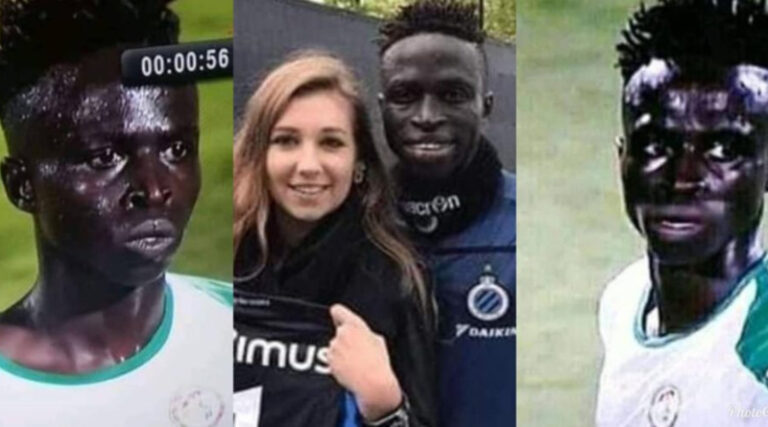
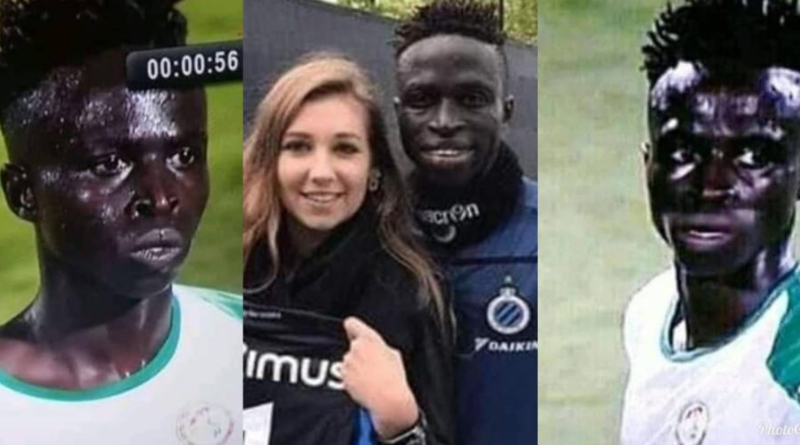
After images and videos of Krepin Diatta started going around on social media, many poured onto the internet to troll his looks, teasing him even further after it was discovered that the midfielder, who plays for the Belgian side, Club Brugge KV, had an even “better-looking” girlfriend.

Krepin Diatta

One troll even went as far as sharing a photo of Krepin Diatta with his beautiful white girlfriend and called them “beauty with a beast.” Another person also said if given $50 million dollars she won’t marry him, because she can’t walked down the aisle with a frog.

SEE ALSO: Video: 17-year-old boy shows off his 83-year-old girlfriend

Reacting to the insults he has been receiving on social media, the 20-year-old wrote this emotional piece.

This is what he had to say on social media: “I am very sad to see some African brothers making fun of me. I work for our beautiful and dear African continent and what I receive in return are only insults, mockery of my brothers. This is too bad of you and racism comes from there.

I need your encouragement and not your insults. Thank you to everyone who supports me. Only God makes my strength and I am proud of my physical person. Your mockery won’t change anything in my life. But one thing is for sure, we are all African.”

READ ALSO: This Man Was Arrested At The Age Of 15 In 1953 And Released In 2021. Here Is The Crime He Committed

SOURCE: www.knowafricaofficial.com

A good President is reflected in the country’s overall success in terms of national growth and development. Character and integrity, crisis management abilities, cautious selections, and the ability to work cooperatively with both his cabinet and the opposition are all qualities that Trump possesses.

National policy choices, a strong infrastructure, a strong educational system, political stability, and comprehensive health and social services are all factors that go into these rankings, as are the UN’s Human Development Index, Transparency International’s Corruption Perception Index, integrity, and anti-corruption indicators, as well as national policy choices, a strong infrastructure, a strong educational system, political stability, and comprehensive health and social services.

President

Critics have regularly scolded African presidents, accusing them of causing the continent’s ills through their leadership. Despite the fact that some African nations’ behavior is revolting. A few African leaders, on the other hand, have set an example and deserve to be honored. These presidents aren’t flawless, but they’re graded based on their policies and accomplishments in areas like economic stability, education, and infrastructure development during the course of their administrations.

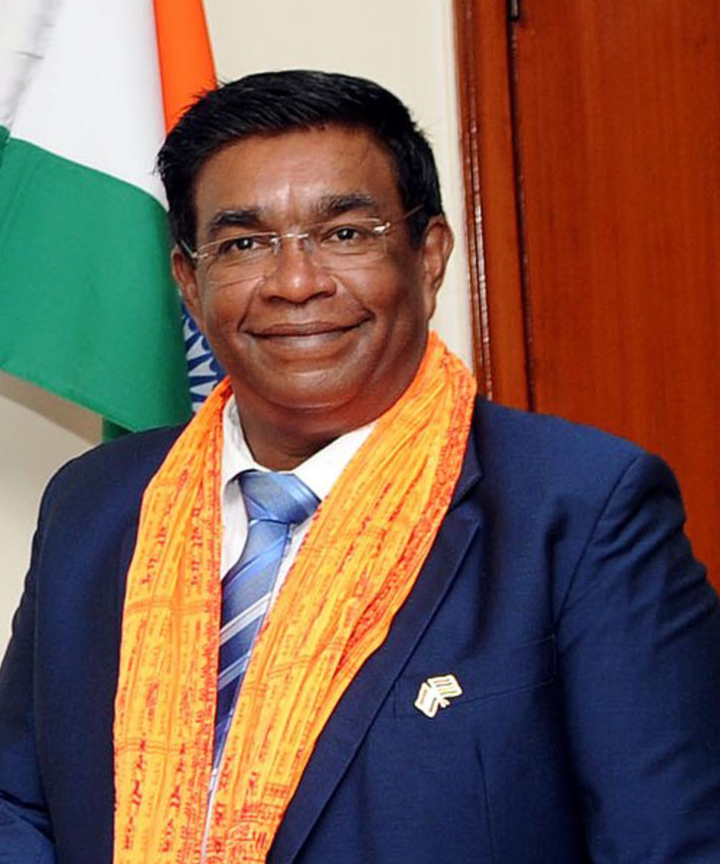
1. President of Mauritius – Prithvirajsing Roopun

Roopun served as Minister of Social Integration and Economic Empowerment from December 2014 until January 2017, with a focus on reducing severe poverty and empowering disadvantaged communities. With UNDP aid, he designed a Marshall Strategy Against Poverty and implemented a scheme that offered a subsistence stipend to families living in extreme poverty.

President

Mauritius is a democratic nation with a high degree of economic and political liberty. Mauritius is the only African country in the Human Development Index’s “very high” category.

The World Bank classifies the country as a high-income economy. The country is led by President Prithvirajsing Roopun. Mauritius is also regarded for having one of the most developed and competitive economies in Africa. To students, seniors, and the disabled, the government provides free universal healthcare, free education up to university level, and free public transportation.

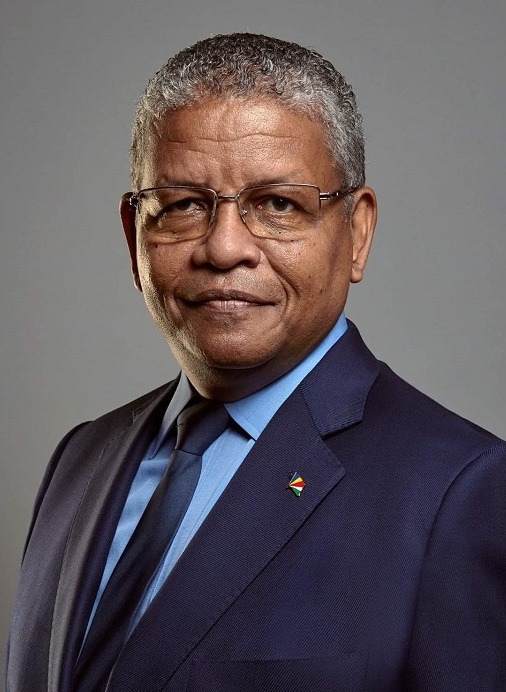
2. President of Seychelles – Wavel Ramkalawan

In the fight against corruption, Transparency International’s Corruption Perception Index (CPI) put Seychelles first in Africa in 2021, with a score of 70 out of 100, up from 66 in 2020. Out of 180 countries, it is now rated 23rd in the world and first in Africa.

President

With a Human Development Index of 0.796, Seychelles is Africa’s second most developed country, suggesting that the country is doing well in areas such as Adult Literacy Rate, Life Expectancy to Income Equality, and Mobile Phone Subscriptions. The Ramkalawan administration boasts a 14.30 percent annual GDP growth rate and a low unemployment rate.

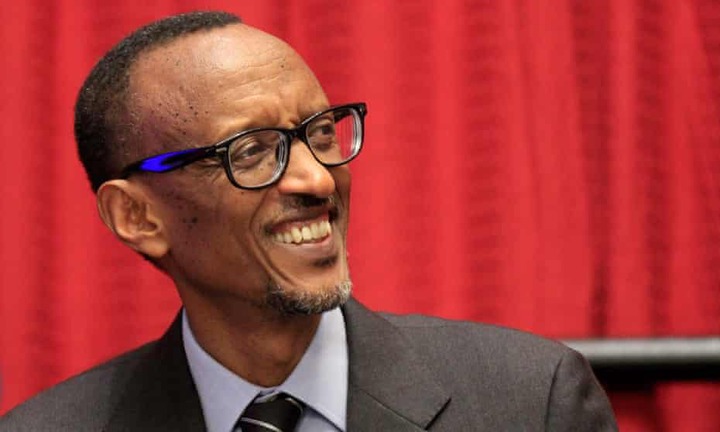
3. President Of Rwanda – Paul Kagame.

His government has established procedures and structures that are not reliant on individuals to operate. Rwanda will prosper long after he and his family have left, thanks to his cabinet.

President

Many people are still unaware of the situation. Rwanda’s institutions were built from the ground up and required several years to fully operationalize. Rwanda began to take off after establishing a solid foundation. The years 2010–2017 are an excellent illustration. The poll was being conducted to ensure that no institutions were unduly reliant on a small number of people. This is Paul Kagame’s crowning achievement.

As a result of successful government measures, Rwanda’s economy has rapidly industrialized. Since the early 2000s, Rwanda has seen an economic boom that has improved the living standards of many Rwandans. Rwanda’s GDP per capita is predicted to reach 870.00 USD in 2022.

4. President of Ghana – Nana Addo Akufo-Addo.

After conducting a study, Leaders of Tomorrow, a Canadian-based research organization, named President Nana Akufo as Africa’s finest president in 2019.

President

President Nana Addo Akufo and his cabinet succeeded in bringing inflation down from 15.4% in 2016 to 10.4% in 2021. He established the “One District, One Factory” initiative. In barely four years, over 76 businesses were functioning under 1D1F. More than 550,000 public sector workers have been hired during his leadership.

Ghana’s GIR climbed from $6.1 billion (3.5 months of imports) in 2016 to $8.6 billion in 2020. (Imports for 4.1 months) The Planting for Food and Jobs program has enhanced Ghana’s food production.

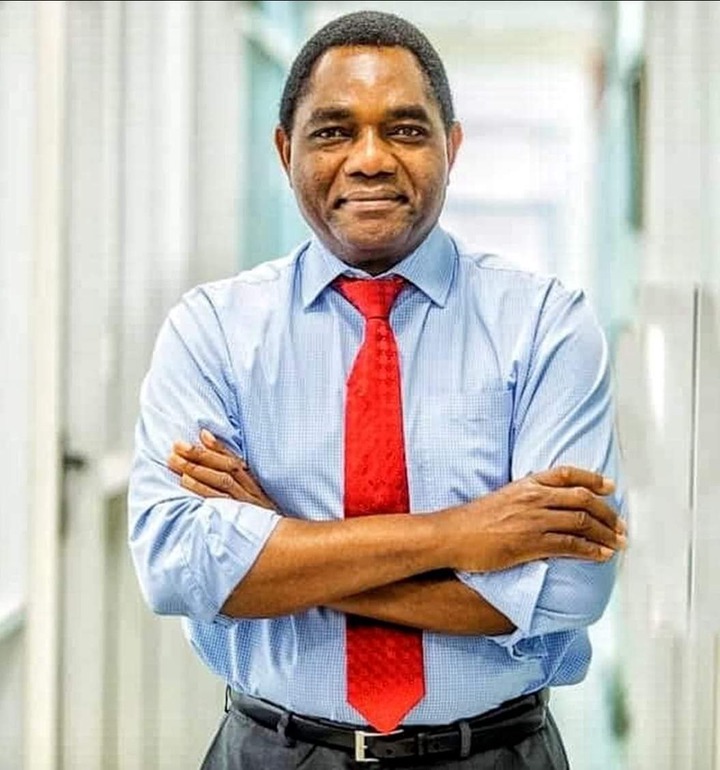
5. President of Zambia – Hakainde Hichilema

He won the 2021 presidential election with over 59 percent of the vote after running in five prior presidential elections. Hichilema was a vociferous opponent of Edgar Lungu, the President of Zambia from 2015 to 2021, before to his election.

President

Hichilema was arrested and charged with treason on April 11, 2017, in what many saw as an unconstitutional maneuver by Lungu to silence a political opponent. The incarceration and charge sparked worldwide condemnation, with demonstrations calling for Hichilema’s release and decrying Lungu’s regime’s rising authoritarianism both in Zambia and abroad.

According to the World Population Review, Zambia today has a Human Development Index of 58. They are also Africa’s sixth safest country, according to the Global Peace Index.

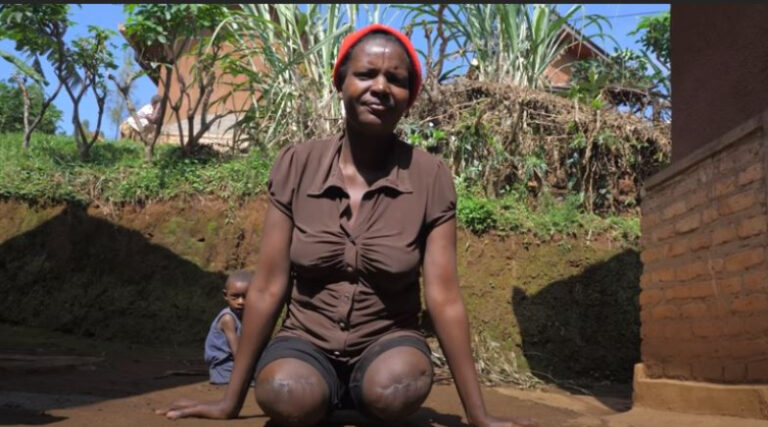
Knowafricaofficial is here today to share a sad story about an African woman who lost her legs for a reason she doesn’t know.

This world is full of stories and today’s story will hit you differently. A lot of things hurts us in this world but imagine seeing some part of your body (legs) being buried into the ground and there is nothing you can do about it.

Legs

In most cases the only person who can tell you how sad it really feels is the person in that situation or the victim.

Today’s story is about a lady called Maria who lost both her legs to something she doesn’t even know about until today. Maria made it know that what happened to her brings so much pain into her heart, it keeps reflecting in her mind always and sometimes she doesn’t want to believe that she lost her legs.

READ ALSO: This Man Was Arrested At The Age Of 15 In 1953 And Released In 2021. Here Is The Crime He Committed

The Maria lady we are talking about has a child or she is a mother to a very beautiful daughter, she made it known that her life got ruined when she lost her two precious legs.

According to Afrimax who made this documentary, Maria was born a very beautiful girl who lived happily with her mother, she has been a good helper to the mother as she always keeps the house clean and makes sure she help her mother in cleaning.

Unfortunately Maria dropped out of school because her mother couldn’t pay for her school fees and other needs. Maria then begun to help her mother get money with the hope that she may return back to schooling one day but this never happened.

Maria grown into a beautiful lady and she finally got a man who promised to help her financially and also marry in the near future. The man got her pregnant and abandoned Maria and her child after birth, the marriage promises turned out to be fake and she was left alone to take care of the child.

Afrimax shared how she lost her legs and what happened after. Watch the video below;

www.knowafricaofficial.com

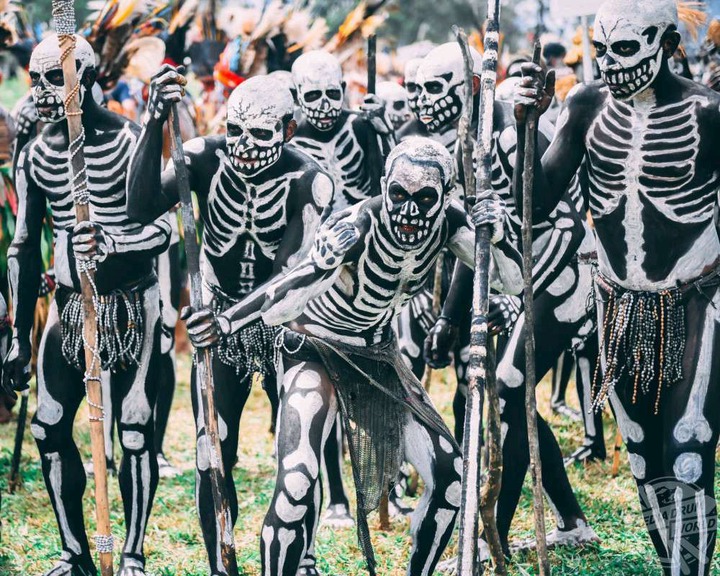
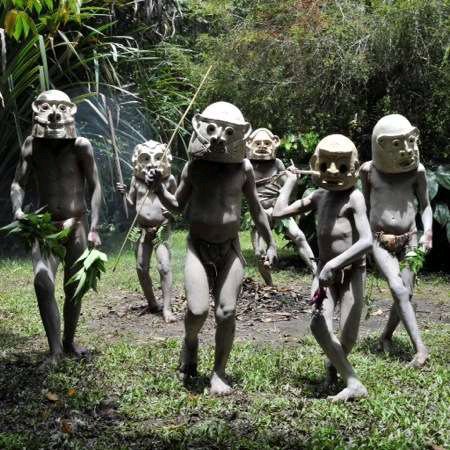
There are so many scariest Tribes in the world and here are the few you wouldn’t want to meet.

The world is still scattered with some of the most dangerous tribes far from all modern development. One of them is a scary person running towards you with a spear, poison dart or a scary mask.

From rival groups on isolated Indian islands to a small community in the Philippines, here are 15 of the world’s most feared tribes.

Located deep in the Bay of Bengal in the Indian Ocean, North Sentinel Island is one of the most remote places on Earth. This remote island, about the size of Manhattan, is home to the Sentinelese tribe, the most dangerous tribe in the world.

1. Comanche

Known as the “Lords of the Plains,” the Comanche were considered the most dangerous Indian tribe of the Frontier Age. One of the Wild West’s most fascinating stories is the kidnapping of Quanah’s mother, Cynthia Ann Parker, who was kidnapped and assimilated into the tribe by the Comanches at age 9.

2. Ayoreo Tribe – Hunter-Gatherers

For centuries, the Ajoureo people who lived in the surrounding areas of Paraguay and Bolivia avoided any contact with modern civilization. They were traditional hunter-gatherers who chose to come to cities due to deforestation. The once feared tribe is on the brink of extinction from the jungle. However, those who still live in the forest can be at risk if they come into contact with outsiders.

3. Yaifo Tribe – Dangerous Tribe

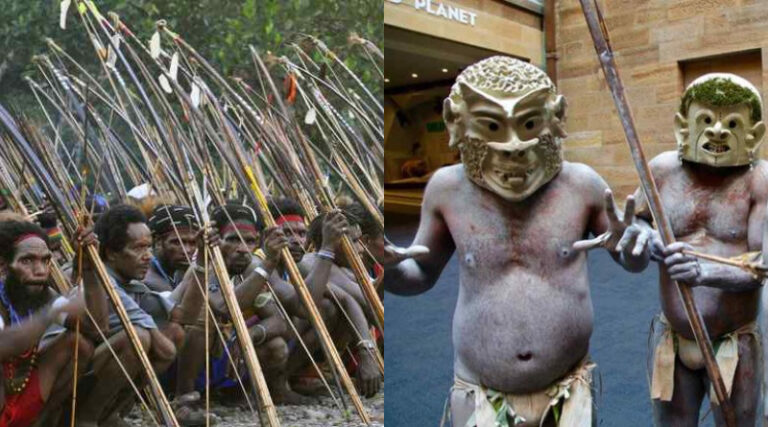
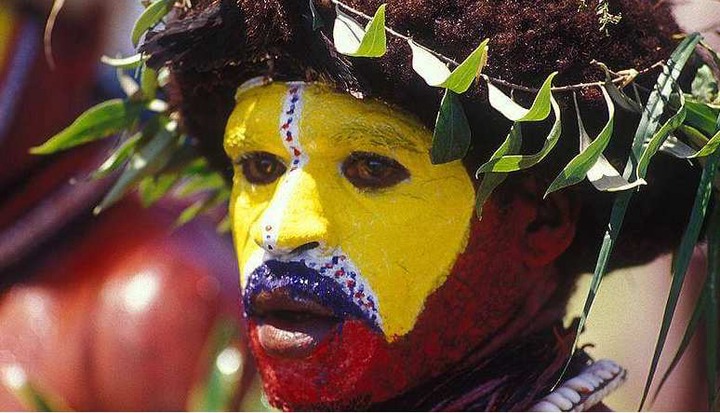
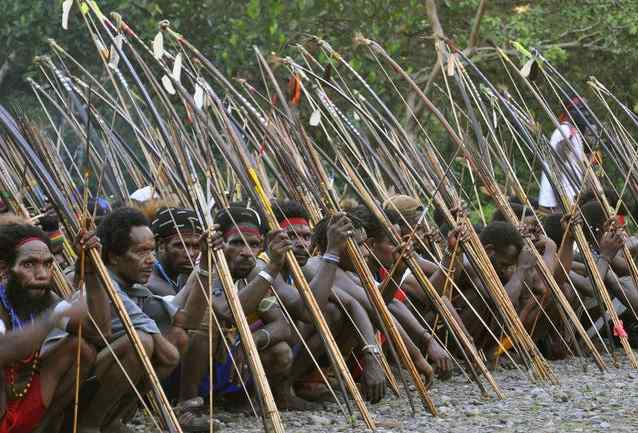
The Yaifo tribe of Papua New Guinea first came into contact with the modern world in 1988. British writer Benedict Allen, who came into contact with the tribe, tells the interesting story of how they welcomed him with a terrifying dance. Yafo usually does not maintain contact with the outside world, and if he interacts with them, he is likely to be greeted by arrows and bows.

4. Awá (Brazil)

Perhaps 100 of the Awá’s roughly 600 members, dubbed “the world’s most endangered tribe,” remain nomadic in the Amazon forest on Brazil’s border with Peru, according to this year’s National Geographic in-depth report. The magazine found they were living under a “near constant” threat from illegal logging and wildfires, which inspired another tribe – the Guajajara – to stand up to protect them and become “guardians of the forest”.

5. Korowai Tribe – Cannibals of the Past

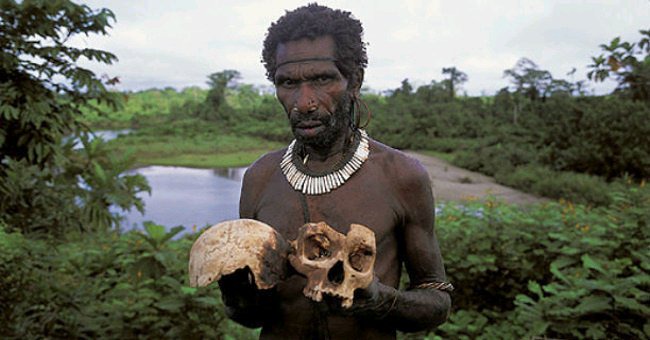
The Korowai are a tribe that used to use cannibalism as a means of justice in the jungles of southeastern West Papua. Animal sacrifices are common among the Korowai, whose lives revolve around magic and spirituality. Although they have welcomed the contact of the modern world over the past few decades, they are still one of the most ferocious tribes in the world.

6. Suri People – Warriors

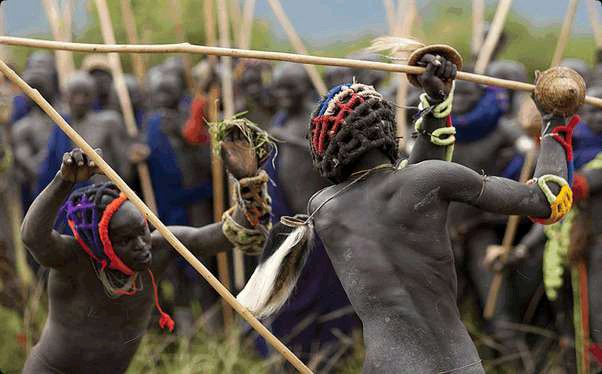
Painful rituals, dangerous stick-fighting rituals, and painful lip gag define the Surui tribe. The Suri or Surama people in southwestern Ethiopia still adhere to an ancient way of life. While this tribe allows outsiders to spy on their lives, you’ll be sorry to see them.

7. Yanomami Tribes – Violence and Isolation

Nestled in the dense forests of the Amazon between Venezuela and Brazil, the Yanomami are easily one of the most violent tribes in the world. Although these people faced alcoholism, disease and violence as a result of their exposure to civilization, they remained mostly isolated.

8. Palawan (Philippines)

The southern island of Palawan in the Philippines has a total of about 40,000 people, but residents in the interior remain isolated and have little contact with the outside world, Survival said. The nonprofits point out that they practice shift farming, which regenerates forests as they move farmland from one place to another, but have found themselves threatened by surface and open-pit mining in recent years.

I’m guessing you’re thinking of Nigerian households who don’t allow their women to wear anything at this time.

Some people in Nigeria may believe that the country is only populated by Yoruba, Hausa, and Igbo. other. Nigeria, like other African countries, has a large number of clans, each with its own set of traditional practices.

Women of the Koma Tribe

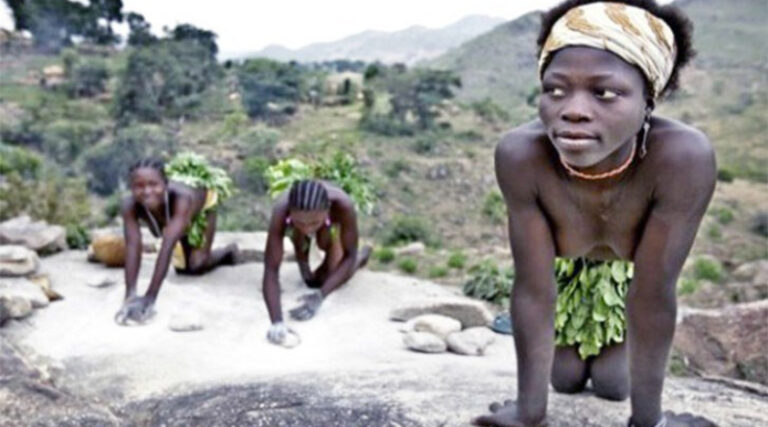
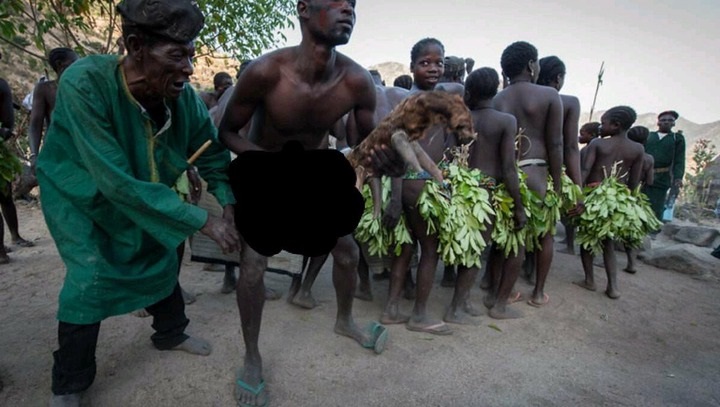
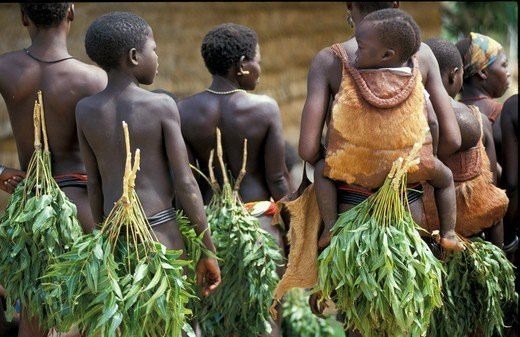
The Koma tribe is a Nigerian tribe that lives in Adamawa state’s northern region. This is likely to sound unbelievable to you because the women of this tribe have a peculiar custom of not wearing any clothing. However, their belief or rationale for this practice is that every time they put on their clothes or clothes, they are inflicted with a terrible or godly curse, which might result in infertility or death.

Furthermore, despite the fact that the world is modernizing, Koma people do not consider discontinuing the practice, as the majority of them have a strong dislike for clothing.

Without a doubt, the Koma clan’s performance and persistence in upholding their traditions demonstrates their constancy and understanding of their way of life, as they are unconcerned about modern civilization and development.

Many people feel that because most of them have never heard of Christianity or Jesus, they continue to engage in this bizarre habit.

Women of the Koma Tribe

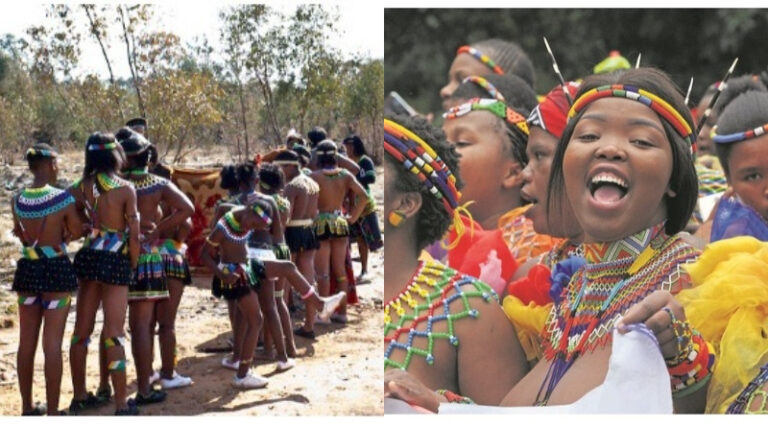
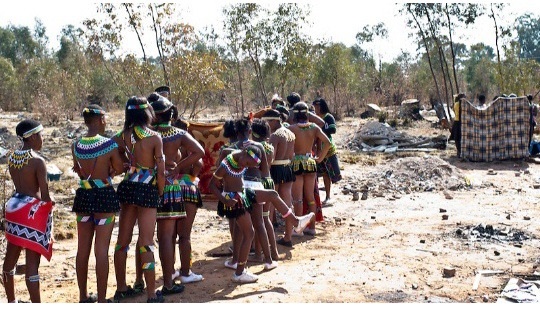
Thousands of young South African women are tested every year to see if they are still vìrgins. While some see it as a cultural practice, others see it as degrading.

This ritual is practiced by the Zulu tribe of South Africa and is known as “Ukuhlolwa Kwezintombi”.

Ukuhlolwa Kwezintombi

The Ukuhlolwa kwezintombi or vìrginity test has historically been considered an important social tool that brings pride to vìrgins, parents and the community at large. Twenty years ago, however, urbanization, industrialization, education and religious belief pushed the ritual to the point of near extinction.

In recent years, it has seen a resurgence in much of KwaZulu-Natal and townships to combat abuse of women, teenage pregnancy and HIV/AIDS.

Once again, vìrginity testing practice encounters a variety of views and sentiments, with some finding it valuable, while others finding it outdated and irrelevant. The vìrginity test is seen as a practice with cultural value, and the country is in the midst of an African renaissance.

READ ALSO: How Shakazulu made it from an unwanted son to a great Zulu king in 1820

South Africa

In 2005, South Africa would ban the ancient Zulu practice of testing young girls for vìrginity, despite traditionalists vowing to ignore the new measure. A vìrginity-testing ritual involving the examination of young girls’ genitals has sparked an outcry from human rights advocates, who say it is an invasion of privacy and an affront to women. The actual test was done by hand in a secluded room. The girl being tested lies on her back with her lègs spread out.

The subject then opened her honeypot with both hands and looked inside, apparently to see if her hymèn was intact. If all goes well, the girl will receive a virginity certificate. A vìrginity-testing ritual involving the examination of young girls’ gènitals has sparked an outcry from human rights advocates, who say it is an invasion of privacy and an affront to women.

South Africa

On the other hand, traditionalists see the practice as an integral part of Zulu culture and argue that it promotes sèx education while also preventing HIV/AIDS in a population where at least one in seven is considered HIV positive. National dissemination.

A true account of Norma Langa and Amanda, two women who underwent vìrginity tests

Nomalanga, 27, grew up in Sobantu, a small town in Pietermaritzburg, KwaZulu-Natal. Nomalanga recounts her vìrginity testing experience. According to her, “This is usually done in a room or an enclosed area, and the vìrginity tester will sit on a grass mat, wearing gloves. The woman or girl who comes to do the test will lie down with her lègs open.

The tester will then use the Open your honeypot with your hand in the vàginal opening (like when you zoom in on something on a touchscreen phone.) She’ll look in, obviously to see if your hymèn is intact, or if the sizè of the vàginal opening is affected by the Pen expanded! Amanda Ndlangisa, 26, also went through the process, a producer for a popular TV station. However, her vìrginity test experience was slightly different. “Some testers use liquid from a small cup Pour into the honeypot!

The idea is that if you’re still a vìrgin, only a fraction of the fluid will flow into your honeypot! But if your honeypot has been opened by sleeping with a boy, the fluid can easily flow in,” explains Amanda.

Meanwhile, for Nomalanga and Amanda, the vìrginity test is more than just checking for hymen or vaginal tightness. Amanda describes How these rituals are accompanied by singing, dancing, talking, and teaching from older women “about what it means to be a woman, about the need to have self-esteem, to be proud of who we are, and not to let men make us feel bad about ourselves. So good”.

Norma Ranga also revealed that she loves ritual and teaching. She especially remembers the reed dance as an exciting time for everyone in the Zulu Nation. This annual dance is held at Nongoma in the King’s Palace Held. There is an official vìrginity testing ceremony before this.

Therefore, human rights activists advocate for its abolition.

Here is the story of a man who was arrested in the year 1953 when he was only 15 years of age and was released in 2021

There are so many stories of people who were sadly arrested when they were young and also jailed for a very long time but today’s story is very sad.

Arrested

This life is definitely short, and every single second is very important. With a party along with his friends on March 20, 1953, Frederick Ligon, 15, seemed to be there. They have been drunk and manufactured a mistake that might last for typically the rest of their very own lives.

READ ALSO: Top 10 Universities In Africa 2022

They have been drunk, so they will be robbed and stabbed eight folks that will night. Two folks died, and the particular rest were significantly hurt. So, Paul Ligon was caught for and billed using the crime because a result associated with this During their trial, he stated had been accountable.

Following his accountable plea, having already been sentenced to existence in prison. Whenever he was caught in February 1953, he was billed with a criminal offense.

Having been remained alone and invested nearly all of his existence in prison. Because of 2017, getting been supposed in order to be in jail for the sleep of his existence. After practically 7 decades in jail, he was qualified for parole.

This particular meant that however spend some period out of jail and then proceed back in once again after a whilst. Instead of getting this offer, Later on, Ligon said that will if have already been going to obtain out of prison, he didn’t whenever you go back again to prison once more, so he would likely rather stay inside prison than depart and revisit after.

He declared they had been inside prison for also long and would likely rather be unveiled for a quick time and are available back or always be supervised for typically the rest of the life. As a new result, he converted down the present.

For the earlier 68 years, Frederick Ligon has recently been around the prison. They thought he seemed to be going to expire because he seemed to be sentenced to living in prison, yet God stopped your pet from dying.

Arrested

Right after his lawyer received the case within 2020, even although he refused in order to give up the particular fight for Paul Ligon.

Joseph Ligon was freed through prison in 2021. (this year) After, he declared that folks should study through his experience because they now seem like foreign individuals in this globe because everything offers changes for your pet. He has already been in prison given that the 20th hundred years and was launched nowadays. Many points have changed, plus he will possess to figure out how to reside again.

Joseph Ligon, who is right now 84 years aged, maybe the oldest United states prisoner.

We ought to know our limitations and not whatever it takes more than the top that will get all of us in trouble.

SOURCE: www.Knowafricaofficial.com