African American Inventors are responsible for some of the most important inventions that keep our planet running. In honor of Black History Month and beyond, here are some African American inventors whose ideas forever altered the way society functioned.
Below are great African American Inventors who changed the world
The Three-Light Traffic Light – 1923
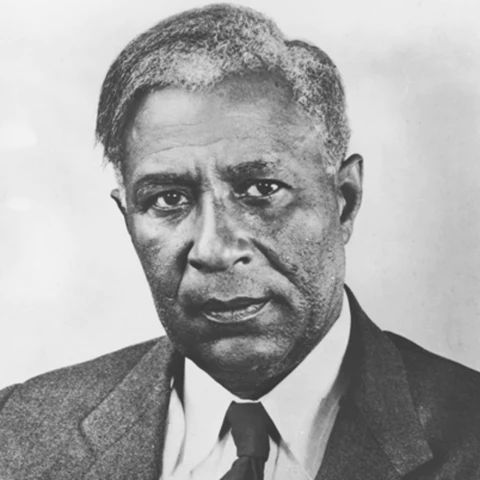
Garrett Morgan’s early inventions certainly made their impact on society, like the gas mask and improved sewing machine, however his most influential creation was the improved traffic light. If not for his contributions, drivers might still be directed by a two-light system. Morgan was motivated by a severe car accident he witnessed at an intersection in Cleveland, Ohio. Because of this he decided to that the current two-light system and add a yielding component that would warn oncoming drivers that they would soon need to come to a complete stop. His patient was approved the year after its creation in 1923.
Alexander Miles
Automatic Elevator Doors – 1887
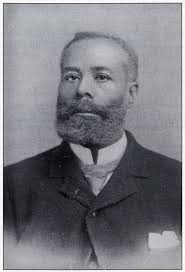
Before the invention of automatic elevator doors, taking a lift was elaborate, scary, and made people contemplate just hiking up the stairs instead. You had to remember to shut the doors on your own before the elevator took off, and forgetting to do so proved to be fatal on numerous occasions. Alexander Mile’s daughter almost fell down an elevator shaft herself one day, and from then on he was determined to develop a safer solution. He took out a patent for the mechanism in 1887 that would automatically open and close elevator doors, and his specific designs are still widely used today.
McKinley Jones
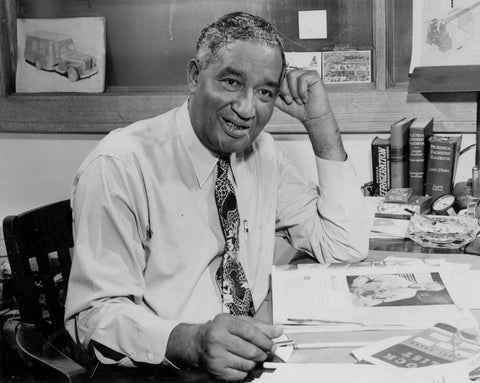
Refrigerated Trucks – 1940
In the mid 1930’s McKinley Jones took out a patent for the roof-mounted cooling system used to refrigerate goods on trucks for long periods of transportation. He co-founded the U.S Thermo Control Company after receiving a patent for his creation in 1940. The company is now known as Thermo King, and was of great use during World War II by helping to preserve supplies, food, and blood at the time.
Marie Van Brittan Brown
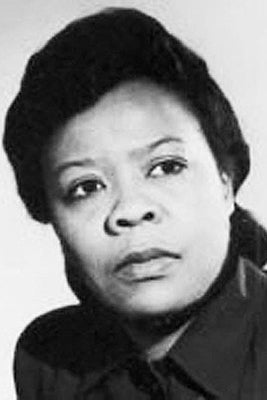
Home Security System – 1966
Nurse and inventory Mary Van Brown co invented the home security system, along with her husband Albert Brow. They Jointly applied for a patent that same year that was approved in 1969. Her contributions are still influencing home security system development to this very day.
Lewis Latimer
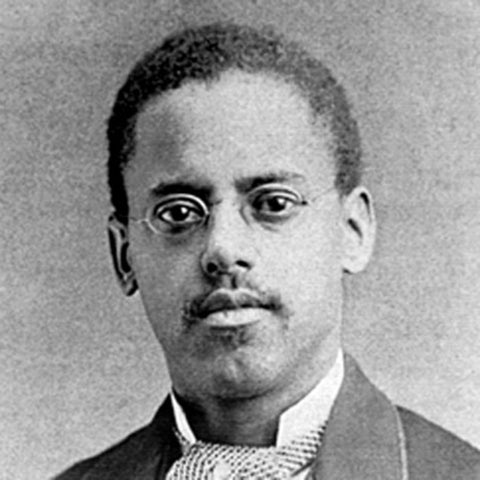
Carbon Light Bulb Filament – 1881
Though the original lightbulb was invented by Thomas Edison, the innovation used to make a lightbulb that would be longer lasting through carbon filament was created by inventor Lewis Latimer. The invention helped make electric lighting more practical and affordable for the average household.
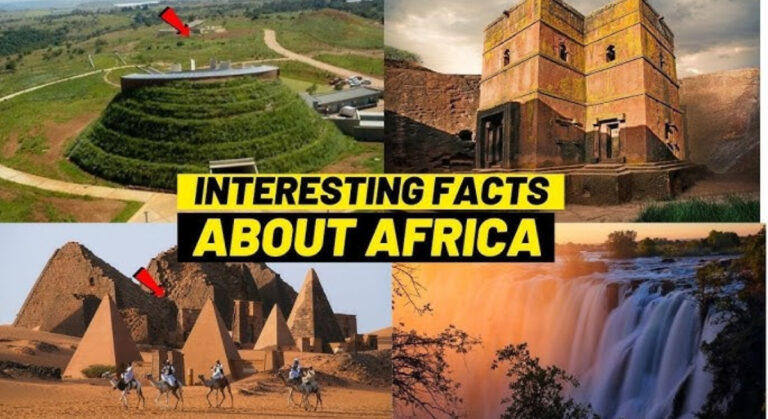
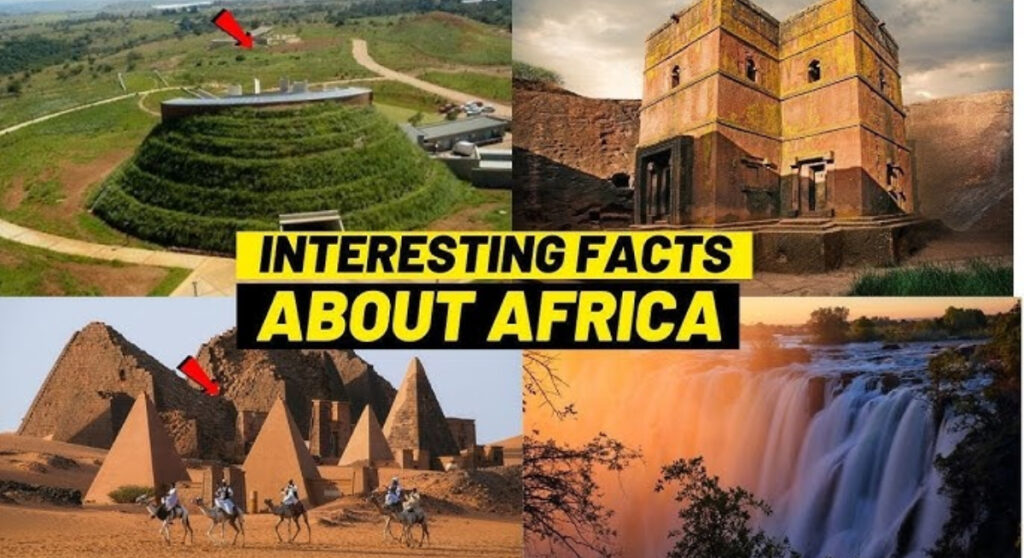
There are so many facts about Africa known by just few individuals in the world. Africa is quite different from the other continents. Africa’s cultural diversity is immense. It has an abundance of natural resources, a diverse cultural history, and amazing tourism sites.
Africa is a continent that is still growing and gaining more power and impact over the rest of the world. Some information about Africa that should be known by all:
Facts About Africa
Africa is the 2nd largest continent at 30 million square kilometers or 11.7 million square miles. Africa is bigger than China, India, the continental U.S., and most of Europe combined. The Sahara alone is bigger than the continental USA.
Africa is the ‘cradle of humankind’. Fossils found in Africa, show that human beings and their closest relatives the gorilla and chimpanzees were born and evolved in Africa.
Africa is the 2nd most populated continent in the world. There are 1.3 billion people in Africa, 17% of the world population. Over 50% of Africans are under the age of 25. The continent’s population is expected to more than double to 2.3 billion people by 2050.
Africa has 54 countries and about 3000 tribes.
There are over 3000 languages spoken in Africa. Amharic, Arabic, English, French, Hausa, Oromo, Swahili and Yoruba are among the languages widely spoken.
Africa has the largest populations of lion, elephant, rhinoceros, cheetah, hyena, leopard, and hundreds of other species. Giraffe, zebra, gorilla, hippopotamus, chimpanzee and wildebeest are unique to Africa and not found in the wild on any other continent on Earth. Africa has over 25 percent of the world’s bird species.
The majority of Africans practice Christianity or Islam. Most Africans also participate in traditional African religions.
Africa’s GDP growth is above the world average at 4% but Africa’s has significant opportunity for growth at 3% of global GDP versus 17% of global population.
Agriculture employs 65% of Africa’s labor force and accounts for 32 percent of the continent’s gross domestic product.
Africa has approximately 30% of the earth’s remaining mineral resources. Africa has the largest reserves of precious metals with over 40% of the gold reserves, over 60% of the cobalt, and 90% of the platinum reserves.
Morocco awakens the senses in seconds. Its sun-soaked coasts, breathtaking Atlas mountains, and wind-swept Sahara leave you in awe. Spicy aromas permeate the air in the crowded souks. Street musicians put a spring in your step. There’s something magical for every adventurer here. So read on to learn some astonishing facts about Morocco that will make you want to march to Marrakesh tomorrow.
Mother nature didn’t hold back when she made Morocco. Just look at the High Atlas Mountains – extending almost 1000 kilometres across Morocco and reaching 13672 feet in height. In fact, local Berbers call ‘Idraren Draren’ the Mountains of Mountains for its colossal presence, which invites travellers to climb up and explore their villages, plus steep valleys, snow-capped peaks, wandering wildlife and glowing mountains lakes like Lac Ifni (pictured above). Just promise us you’ll remember your camera.
Morocco’s imperial cites Rabat, Marrakesh, Meknes and Rabat have all been Morocco’s capital during their history. (That honour goes to Rabat today). But their aura and UNESCO-listed, maze-like medinas (old centres) have enchanted travellers for generations. Plus inspired writers, poets and filmmakers. You can find history at every turn in these cities: in mosques, tombs, arches street engravings and more. They all deserve a visit.
In the heart of Marakkesh’s medina, the Jemaa El-Fna square is a magical maze of winding streets, food stalls and souks selling mountains of spices, lamps, jewellery and hand-woven fabrics. This gigantic square dates back to the founding of red-hued Marrakesh by the Almoravids in 1062 – and you can feel the pulse of the city in its sweet-smelling lanes. Plus you’ll get to put your best haggling skills to the test here.
Local traders and terraces serving mint tea thrive here by day; while as the sun sets –fortune tellers, snake charmers, musicians, belly dancers and magicians appear and create an intoxicating atmosphere.
4. Morocco is one of the world’s most diverse countries
One of our favourite facts about Morocco: it’s different ethnic groups make it even more special. Berbers (the indigenous people of North-west Africa) and Arabs (who conquered Morocco by 705 and spread Islam) are its two main groups. But past rule from Spanish, Romans, French and Jewish exiles mark the present culture and its people, languages, food, art, architecture and clothing.
5. From mosques to riads, there’s amazing architecture everywhere
From iconic mosques to colourful street corners – eye-catching architecture floods your vision wherever you go. Thanks to Morocco’s diverse past, you can spot both Islamic and Hispano-Moorish inspired designs. Expect intricate patterns on palaces, fountain, kasbahs (historic fortresses), riads (sheltered outdoor areas at home), pottery, madersas (Islamic teaching schools) and ceramic tiles.
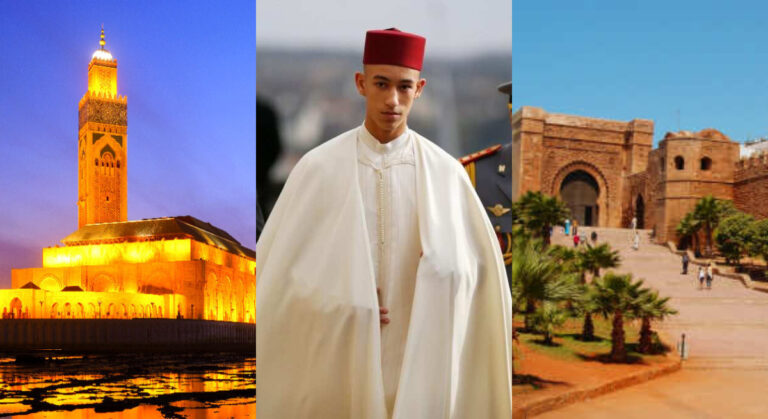
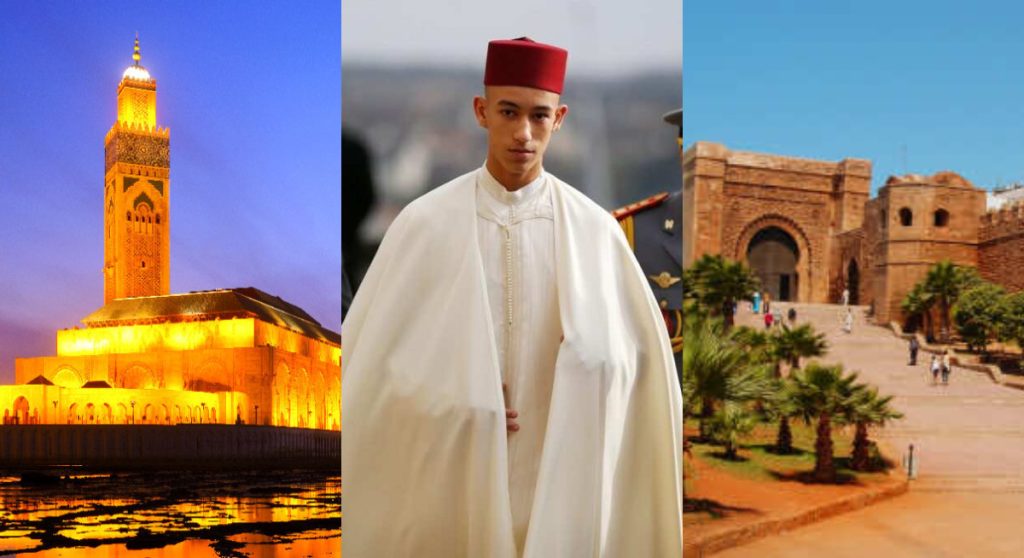
Before you leave, you’ll want to visit the Hassan II Mosque in Casablanca (pictured) – the second largest functioning mosque in Africa and a shining example of Moorish architecture.
‘Morocco was an amazing experience, the Medina in Fes was unforgettable and dinner in the Riad magical.’– Trafalgar Guest (Spain, Morocco and Portugal tour)
You’d be foolish not to spend time in northeast Morocco – and its cultural capital – Fes. Here, inside it’s towering 10-mile long walls, you can wander over 10,000 alleys too narrow for cars, but just wide enough for chariots to carry hand-made goods to souks. Stop into a madrasa and admire the architecture. Or take your place in a traditional riad for an Arabian dinner with live music and belly dancing on Trafalgar’s Spain, Morocco and Portugal tour.
7. You can stand in the Sahara desert
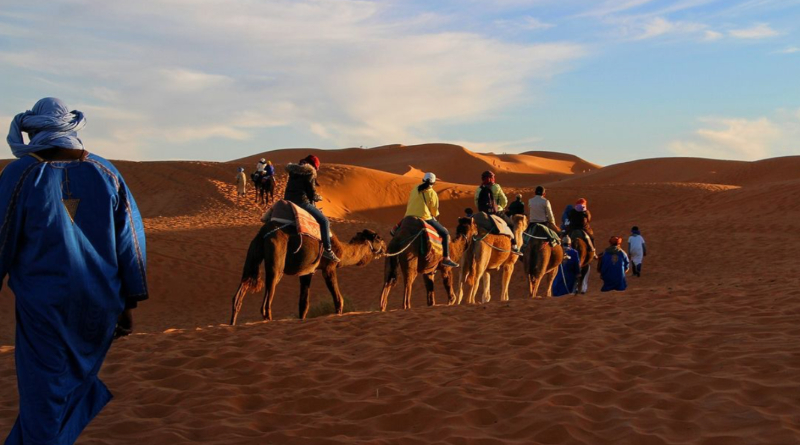
Morocco’s slice of the Sahara desert is stunning. Located in the southeast, miles undulating, wind-swept sand dunes run away into the impossible distance. Time stands still. And the only sounds are delicate footsteps of a camel on a walking tour. And that’s right – you could be next.
8. The souks will steal your heart
A unique shopping experience, a souk can take a minute to blend into for first-timers. Inside a maze of colourful narrow lanes is a world of antiques, carpets, spices, trinkets, Aladdin-like lamps and other local crafts. Local merchants used to journey through here. But now the pleasure is all yours – including the (compulsory) haggling to get a fair price.
9. Moroccan food is diverse and delicious
Nothing spins the sense quite like Moroccan food. You’ll find a range of Arabic, Berber, Mediterranean, Andalusian and European-influenced dishes here, meaning there’s definitely one with your name on it. We recommend eating local couscous, taktouka (tomato, olive oil, paprika, peppers and parsley salad), and tagine (slow-cooked lamb stew bubbling with a tomato-like sauce and spices).
10. You can find the highest ski resort in Africa (Oukaimeden) here
This is one of the most surprising facts about Morocco. You might not associate skiing with Africa. But you will now; because about 80 kilometres from Marrakesh, nestled 2,600 metres above sea level in the snowy Atlas mountains, is Oukaimeden ski resort. It soars up to 3,200m at its highest peak (Jebel Attar) – presenting picture-perfect slopes for skiers of all levels, which are flanked by the colossal mountains and kissed by African sun.
11. Casablanca has the only Jewish museum in the Arab world
In the port city of Casablanca (on Morocco’s east coast), you can find the only dedicated Jewish museum in the Arab world. It celebrates Judaeo-Muslim culture and the mutual influences between the two religions. For example, Morocco’s traditional textile patterns inspired the design of the clothing worn by Jewish women. And it commemorates Jewish history in Morocco (the first Jews settled here in 2nd century BC).
12. Morocco is blessed with beautiful beaches
Bordering the Atlantic Ocean and Mediterranean Sea, it makes sense that Morocco’s 1930-kilometre coastline is peppered with some of the world’s best beaches. Washed by refreshing waters, these spotless white sands offer the perfect cool-off from the bustling city centres. Our recommendation is the idyllic resort town of Essaouira – where surfing, sun-bathing or meandering the charming town medina is a great way to spend an afternoon.
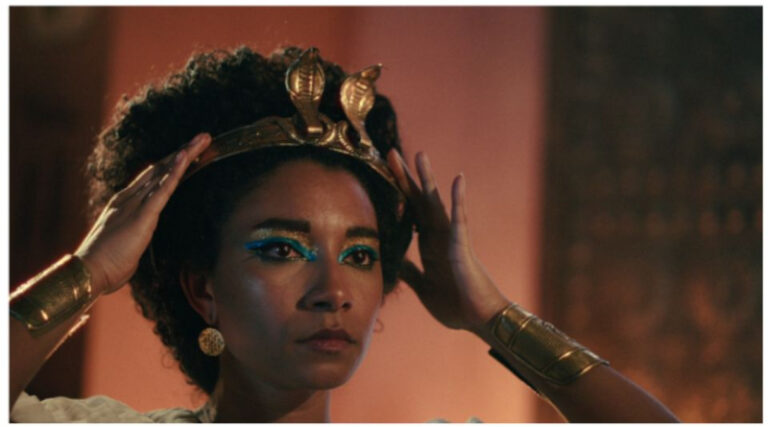
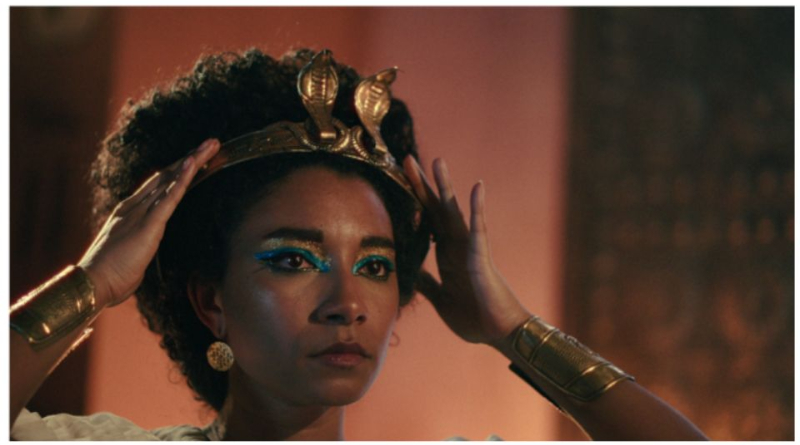
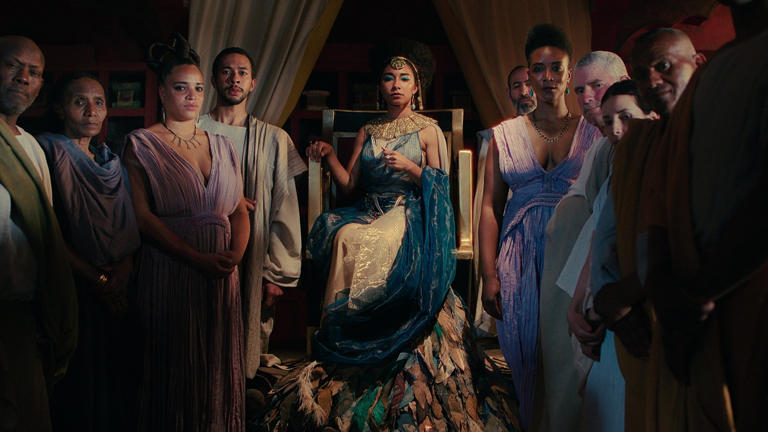
An Egyptian lawyer has taken legal action against the popular streaming platform, Netflix. The lawyer filed a case with the Public Prosecutor calling for the closure of the platform after the release of the trailer for the upcoming movie, “Queen Cleopatra.”
The film depicts the Greek historical figure as a black-skinned woman, a portrayal that has caused controversy and sparked outrage in Egypt.
The lawyer argues that the depiction is historically inaccurate and offensive to the Egyptian people.
According to Egypt Independent, Mahmoud al-Semary demanded that all legal measures be taken against those responsible for the documentary and the management of the streaming platform for its participation in “this crime.”
The complaint submitted against the streaming platform alleged that “most of what Netflix platform displays contradicts Islamic and societal values and principles, especially Egyptian ones.”, Greek city times reported.
The case said that the documentary promotes Afrocentrism that is widely spread on social media, which have slogans and writings aimed at distorting and obliterating the Egyptian identity.
The complaint continued addressing Public Prosecution: “In order to preserve the Egyptian national and cultural identity among Egyptians all over the world… we ask and seek you to take the necessary legal measures against this platform.”
It demanded stopping broadcasts showing all works aimed at obliterating and distorting the Egyptian identity, through films aimed at falsifying and distorting history in Egypt.
The Berber people were either Christians, Jews, or Animists before the Arab invasion in the seventh century. An animist holds that all plants, animals, and even the soil are spiritual, linking us all to one another, and that it is not just humans who have souls and spirits. The Arab nation forced the Berbers to convert to Islam after conquering them.
Because they didn’t have a written language in the past, the Berbers’ lengthy and ancient history has mostly been forgotten. The discovery of cave drawings provided the first indication of their past. In Tadrart Acacus, Libya, North African cave paintings that date back as far as 12,000 years have been discovered.
Many of the paintings depict farming activities and domestic animals. There are also paintings that have been found at Tassili n’Ajjer in southeastern Algeria.
Geographical Distribution Of The Berber People
The Berber people, also known as Imazighen or Amazighs, are indigenous to North Africa and predate the Arab conquest of the region. Tracing their roots back to the Neolithic era, they have inhabited the area for millennia, developing a distinct cultural and linguistic identity that sets them apart from other ethnic groups in the region. Berber languages, which belong to the Afro-Asiatic language family, exhibit a remarkable diversity, with Tamazight being the most widely spoken variant.
Cultural Traditions
The Berber tribe is renowned for its rich cultural traditions, which have been passed down through generations. These traditions encompass various aspects of life, including music, dance, art, cuisine, and architecture. Berber music is characterized by rhythmic drumming, vibrant melodies, and lyrics that reflect the tribe’s history, social values, and deep connection to the land. Traditional dances, such as the Ahwash and the Aïta, showcase the tribe’s communal spirit and celebrate significant events and milestones.
Rather than abandoning these traditions, the Berber tribe merged their customs with Islamic principles, creating a unique blend that reflects their distinctive identity. Islamic values of justice, brotherhood, collective responsibility, equality, and compassion resonated deeply with the Berbers, and these principles became interwoven with their existing social structures and practices.
Another cornerstone of Berber culture is their delicious cuisine, which incorporates a diverse range of ingredients and flavors. Staple foods like couscous, tagine, and mint tea are enjoyed across the region, often prepared using traditional techniques passed down through generations. These culinary delights offer a glimpse into the Berber tribe’s culinary artistry and the fusion of indigenous ingredients with influences from Arab, Mediterranean, and sub-Saharan African cuisines.
Maasai Tribe is one of the nearly fifty indigenous tribes in Kenya, the Maasai is well-known representatives of African culture. The cultural diversity of Kenya, which includes people descended from Bantu, Nilotic, and Afro-Asian peoples, contributes to the country’s appeal.
The most popular Bantu tribe in Kenya is the Kikuyu, and the Kalenjin tribe is known for producing elite athletes. Swahili, Kenya’s official language, is derived from Afro-Asiatic groups, although it is the Nilotic tribes of Samburu, Turkana, and of course the Maasai that are most closely associated with East African safaris.
The Maasai Tribe of Kenya
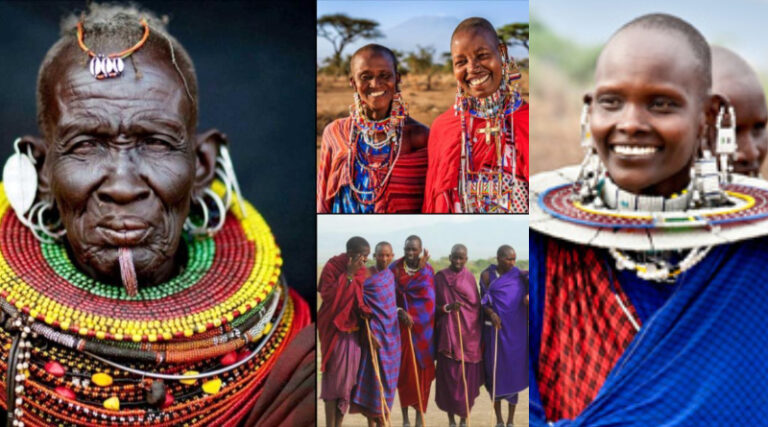
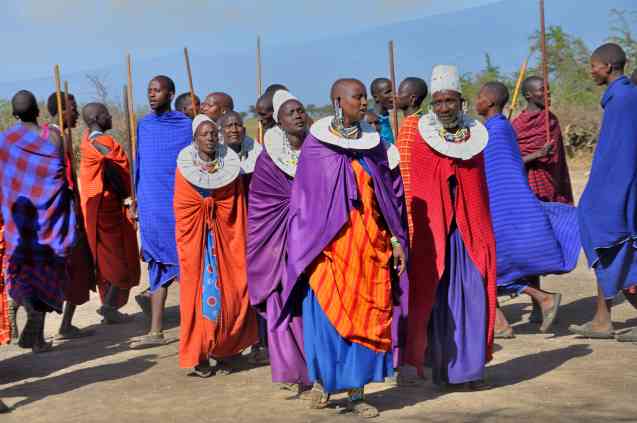
The Maasai are people from East Africa who are ‘Maa’ language speakers. Their red robes are tall and stunning, standing out against the blond savannah grass of Africa. Images of the Maasai tribe are recognizable whether they are standing, dancing, herding cattle, or traversing an animal-filled landscape. The Maasai people were traditionally nomadic pastoralists, but history has compelled them to form an unexpected alliance with the African environment, tourism, and conservation.
Who are the Maasai people?
Literally translated, the Maasai are people who speak the ‘Maa’ language. Spreading across northern, central, and southern Kenya and northern Tanzania, the Maasai were once the most dominant tribe in the region. Arriving in the 16th and 17th centuries from the Nilo-Sahara area, they bought with them their cattle and acumen for battle. They quickly gained dominance in the area and expanded to their peak around the 19th century when agrarian settlements and the arrival of Europeans ushered in a period of decline.
Today there are about 22 sub-tribes within the Maasai people, each with its own dialect, appearance, and customs. These ‘iloshon’ or ‘nations’ are the Dalalekutuk, Keekonyokie, Ilchamus, Ildamat, Ilkaputiei, Ilkirasha, Ilkisonko, Ilooldokilani, Laikipiak, Laitayiok, Larusa, Loitai, Loitokitoki, Matapato, Moitanik, Parakuyo, Purko, Salei, Samburu, Siria, Sirinket, and Wuasinkishu.
Because they were nomadic, the Maasai tribe inhabited vast tracts of land, moving from place to place in search of grazing land for their cattle. As East Africa became more populated, the Maasai were gradually pressured out of their best grazing land and into more arid territories. In the mid to late 20th century, much of their land was taken away and turned into protected wildlife areas.
Living on the outskirts of these wildlife sanctuaries and needing grazing for their cattle created conflict between national parks, the Maasai people, their cattle, and wildlife. In an unexpected turn of events, through the massive growth in safari tourism and the formation of conservancies, the Maasai have become custodians of the natural world. Today the Maasai tribe is an integral part of Kenya’s economy and stands at the forefront of conservation efforts to preserve Kenya’s wildlife.
“A Maasai warrior is a fine sight. Those young men have, to the utmost extent, that particular form of intelligence that we call chic; daring and wildly fantastical as they seem, they are still unswervingly true to their own nature, and to an inherent ideal. Their style is not an assumed manner, nor an imitation of a foreign perfection; it has grown from the inside and is an expression of the race and its history, and their weapons and finery are as much a part of their being as are a stag’s antlers.”
-Karen Blixen. Out of Africa
History of the Maasai Tribe
Originally from modern-day Sudan, the Maasai people migrated south in search of better grazing for their cattle. They arrived in East Africa around 1700, and continued past lake Turkana, and through Kenya’s highlands, before settling in the vast savannahs of Southern Kenya and Northern Tanzania.
Semi-nomadic pastoralists, the Maasai believe that god created the Maasai first, and then lowered cattle to earth via a woven rope. After this, the rest of mankind was created. Therefore, for the Maasai tribe, to not own cattle is to be truly poor. This was both their strength and their downfall. When the land was abundant, the Maasai tribe thrived as their animal husbandry skills ensured their wealth. However, by the 19th century, the Maasai were in decline, victims of the battle between pastoralists and agriculturists. As settlements became more advanced, and organized agrarian societies became stronger, the Maasai people lost their ascendancy.
In the late 19th and early 20th century, the Maasai were struck a triple blow. In 1897 and 1898 the rains failed to cause widespread drought, cattle-related diseases decimated the Maasai herds killing up to 90% of their cattle, and finally, a smallpox epidemic raged. During this period as many as two-thirds of the Maasai population died.
The Maasai tribe did survive the colonial era by fleeing to more arid and less desirable pastures. From about 1940, the Maasai have lost land at Ngorongoro, Lake Nakuru, Amboseli, Mt Meru, and Kilimanjaro, Amboseli, Nairobi National Park, Samburu, Masai Mara, Tsavo, Lake Manyara, and the Serengeti. Kenya’s independence from Britain in 1963 did not lessen pressure on the Maasai. The new independent Kenyan and Tanzanian governments continued their attempts to ‘modernize’ the Maasai tribe into a sedentary people.
The Maasai today remain a proud people with deep cultural roots and strong African traditions. Their animal husbandry skills and their knowledge of the land are seeing a revival as they become an integral part of East African conservation strategies.
Maasai or Masai: The Maasai are speakers of the Maa language. The Masai Mara is the National Park that plays host to the Wildebeest Great Migration.
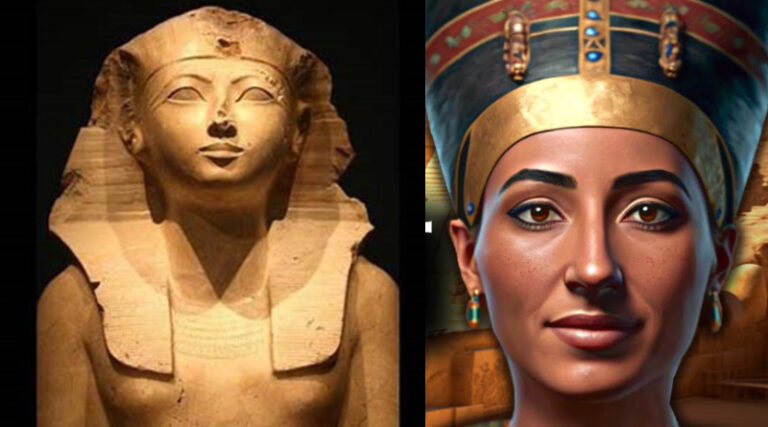
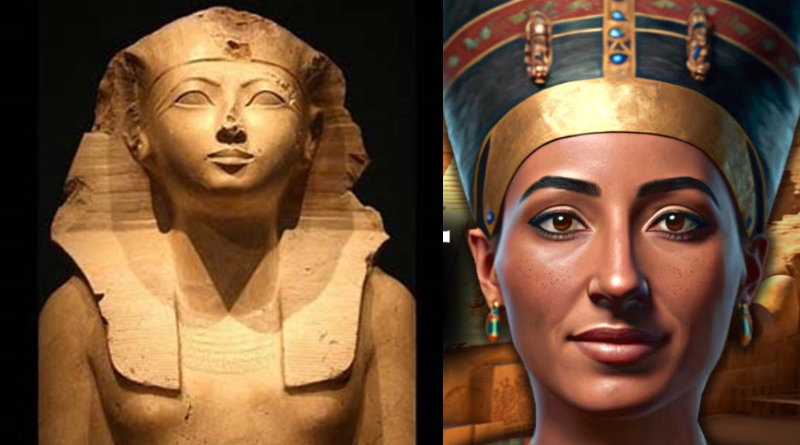
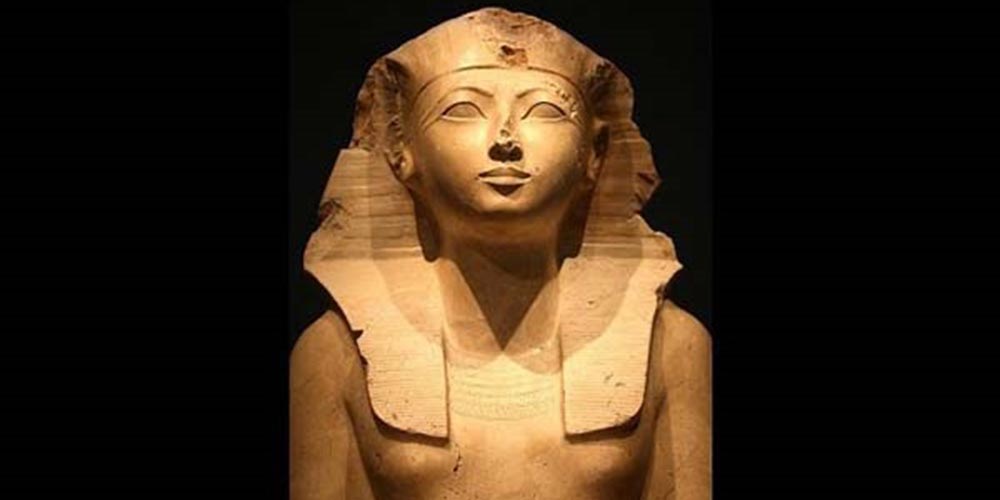
Hatshepsut[a] (c. 1507–1458 BC) was the fifth pharaoh of Egypt’s Eighteenth Dynasty and the Great Royal Wife of Pharaoh Thutmose II. She ruled from around 1479 BC to approximately 1458 BC as queen regnant (Low Chronology). She succeeded Sobekneferu/Nefrusobek in the Twelfth Dynasty as Egypt’s second undisputed monarch.
The Great Royal Wife Ahmose and Thutmose I’s sister, Hatshepsut, were their parents. She first governed as regent to her stepson Thutmose III, who succeeded to the throne at the age of two, after the passing of her husband and half-brother Thutmose II. Hatshepsut became co-ruler with Thutmose III after assuming the role of pharaoh and adopting the full royal titulary several years into her reign.
In order to establish herself in the Egyptian patriarchy, she took on traditionally male roles and was depicted as a male pharaoh, with physically masculine traits and traditionally male garb. Hatshepsut’s reign was a period of great prosperity and general peace.
One of the most prolific builders in Ancient Egypt, she oversaw large-scale construction projects such as the Karnak Temple Complex, the Red Chapel, the Speos Artemidos and most famously, the Mortuary Temple of Hatshepsut at Deir el-Bahari.
Most likely around Year 22 of Thutmose III, Hatshepsut passed away. A move was made to omit her from the official narratives of Egyptian historiography around the conclusion of Thutmose III’s rule and into his son Amenhotep II’s.
Many of her accomplishments were attributed to other pharaohs, and her statues and monuments were vandalized. Instead of personal hatred as was traditionally believed, many contemporary historians explain this to ritual and theological grounds.
Upon the death of Thutmose II, the underage Thutmose III became the pharaoh of Egypt. Hatshepsut was thought of by early modern scholars to have only served as regent alongside him. However, modern scholars agree that, while Hatshepsut initially served as regent for young Thutmose III from his accession in c. 1479 BC, she eventually assumed the position of pharaoh alongside him, by Year 7 of his reign, c. 1472 BC; becoming queen regnant, Hatshepsut shared Thutmose III’s existing regnal count, effectively back-dating her accession as pharaoh to Year 1, when she had been merely regent. Although queens Sobekneferu and possibly Nitocris may have previously assumed the role of pharaoh, Hatshepsut was the only female ruler to do so in a time of prosperity, and arguably had more powers than her female predecessors.
Hatshepsut’s Major accomplishments
Hatshepsut re-established a number of trade networks that had been disrupted during the Hyksos occupation of Egypt during the Second Intermediate Period. She oversaw the preparations and funding for a mission to the Land of Punt.
Hatshepsut’s delegation returned from Punt bearing 31 live myrrh trees and other luxuries such as frankincense. Hatshepsut would grind the charred frankincense into kohl eyeliner. This is the first recorded use of the resin.
Hatshepsut had the expedition commemorated in relief at Deir el-Bahari, which is also famous for its realistic depiction of Queen Ati of the Land of Punt.
Hatshepsut also sent raiding expeditions to Byblos and the Sinai Peninsula shortly after the Punt expedition. Very little is known about these expeditions. Although many Egyptologists have claimed that her foreign policy was mainly peaceful, it is possible that she led military campaigns against Nubia and Canaan.
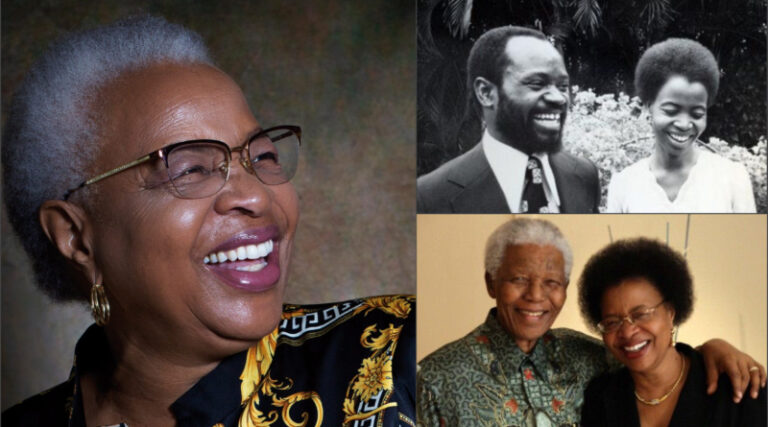
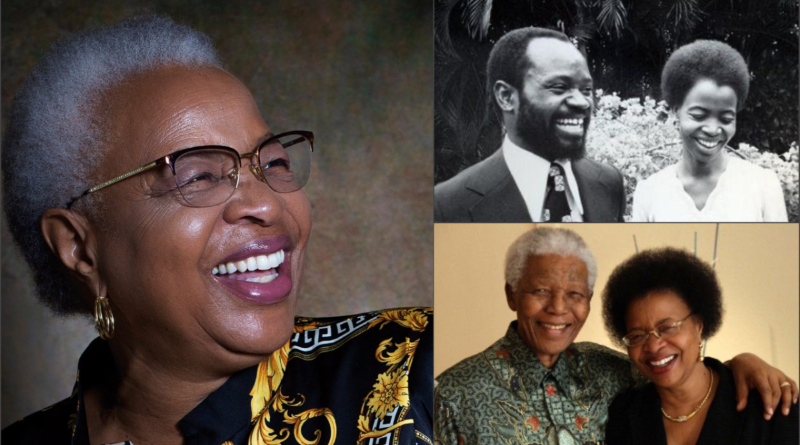
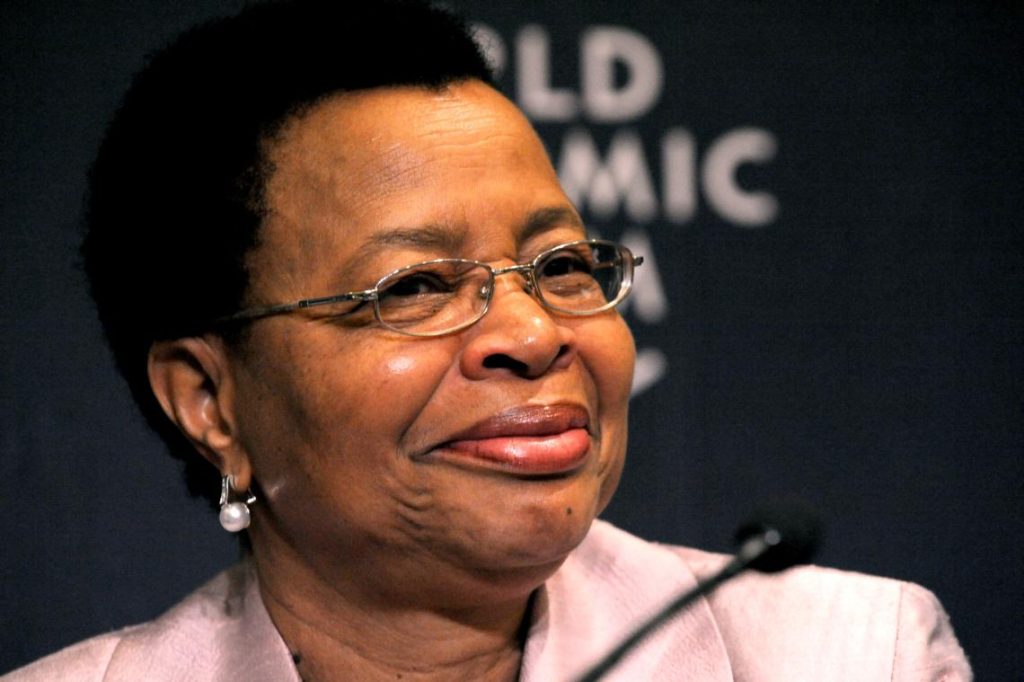
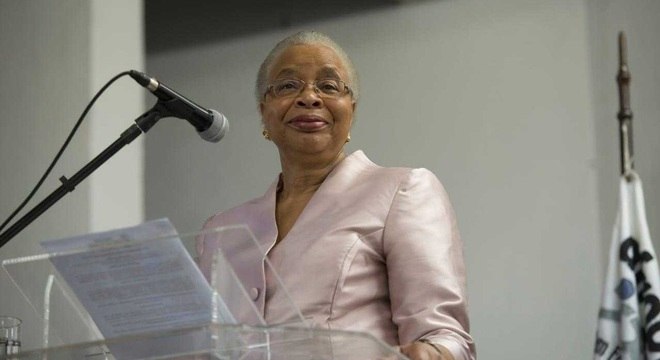
Graça Machel DBE HonFBA is well known Mozambican politician and humanitarian. She was born 17th October 1945 and a widow of former President of Mozambique Samora Machel (1975–1986) and former President of South Africa Nelson Mandela (1998–2013).
Machel is an active international advocate for women’s and children’s rights and she was made an honorary British Dame by Queen Elizabeth II in 1997 for her humanitarian work. She is the only woman in modern history to have served as First Lady of two countries, South Africa and Mozambique.
Graça Machel is one of 10 eminent people that make up the Africa Progress Panel (APP), which promotes equitable and sustainable development in Africa at the highest levels. She convenes decision-makers to impact policy and fosters coalition building as a panelist to leverage and broker information and bring about long-lasting change in Africa.
Between 1999 to 2019, she served as the University of Cape Town’s chancellor.
Graça Machel’s Early life and education
Graça Simbine was born 17 days after her father’s death, the youngest of six children, in rural Incadine, Gaza Province, Portuguese East Africa (modern-day Mozambique). She attended Methodist mission schools before gaining a scholarship to the University of Lisbon in Portugal, where she studied German and first became involved in independence issues.
In addition to her native Xitsonga language, Machel also converses in English, French, Spanish, Italian, and Portuguese.
Simbine joined the Mozambican Liberation Front (FRELIMO) and started working as a teacher when she returned to Portuguese East Africa in 1973. Simbine was chosen to serve as the country’s first Minister of Education and Culture on June 25, 1975, when Mozambique gained independence.
Over the course of her administration, the proportion of children attending elementary and secondary schools increased from roughly 40% of all pupils to over 90% for males and 75% for females.
How many husbands did Graca Machel have?
Graça Machel DBE HonFBA
Spouse(s)
Samora Machel ( m. 1975; died 1986) Nelson Mandela ( m. 1998; died 2013)
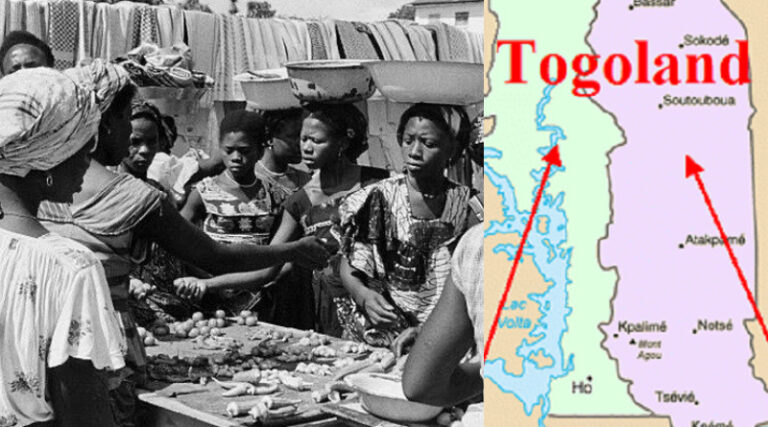
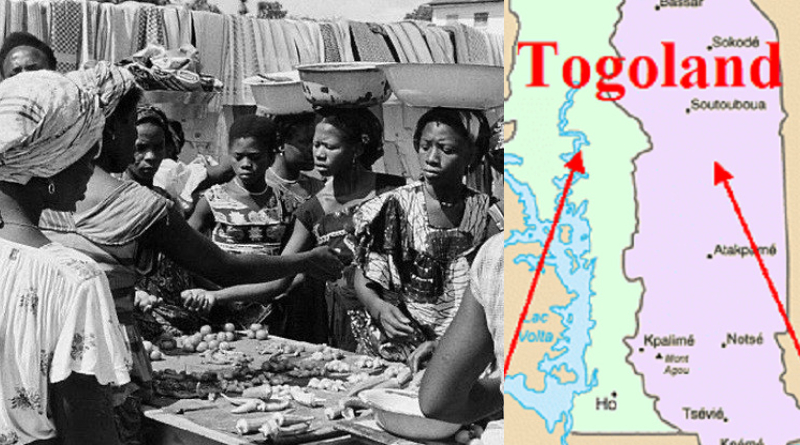
British Togoland was a part of Western Africa that was bordered on the south by the Gulf of Guinea. Ghana currently includes the western portion of what was once British Togoland. The Conference of Berlin (1884–1885) acknowledged a German protectorate over Southern Togoland.
Treaties with France (1897) and Great Britain (1904) defined Togoland’s borders. British and French troops liberated Togoland from the Germans in August 1914. The region was split into two British and French mandates by the League of Nations in 1922. The mandates were transformed into United Nations trust areas in 1946.
The area placed under British control amounted to 13,041 square miles (33,776 square kilometers). The northern part was placed under the administration of the Northern Territories of the Gold Coast (the colonial name of Ghana), and the southern section was made a district of the eastern province of the colony. The southern section held a plebiscite in May 1956 over the topic of joining Ghana when independence came. In 1957, British Togoland became part of the independent state of Ghana.
The League of Nations defined, in its treaty from July 1922, the task of the mandatory as being “responsible for the peace, order and good government of the territory, and for the promotion to the utmost of the material and moral well-being and the social progress
of its inhabitants.” The northern part of British Togoland contained ethnic groups who also lived in the protectorate. This was the reason why the mandate gave the Gold Coast government the right to administer them as a unit. In 1946, the population of the trust territory was about 400,000. The northern portion included in 1932 the districts of Kete-Krachi, Dagomba, Eastern Mamprussi, and Kumassi.
In Eastern Dagomba, cattle raising and agriculture, as in most of this area, were the principal occupations of its people, along with crafts such as weaving, ropemaking, leather tanning, and pottery making. Yet British Togoland had neither the mineral resources nor the large plantings of cocoa as had the Gold Coast. Because of the fact that the future of the region was uncertain, the British hesitated to invest in a territory under international control.
During the period 1890–1930, a decentralization of native authority took place. After 1930, the numerous small divisions of the Northern Territories and north Togoland were reunited into several large states such as Mamprussi and Dagomba. In 1933, three ordinances relating to the executive, judicial, and financial reorganization were promulgated.
The chiefs were able to use these new powers to carry out economic and social reforms. The Native Tribunal Ordinance permitted the chief commissioner to establish tribunals to define the extent of its civil and criminal jurisdiction. Moreover, the government passed in 1932 a Native Treasuries Ordinance that gave the chief commissioner the right to establish treasuries, to define the sources of revenue, to provide for specified forms of taxation, and so forth.
The revenue was applied to roads, dispensaries, sanitary conveniences, and regular salaries for chiefs and tribunal members. The economic growth of the area was steadily improving, and a slow increase of interest in education, health care, and religion was occurring. In 1946, a Northern Territory council, representative of all the chiefs, was established.
South Togoland was much smaller, at 5,845 square miles. The ordinances of the Gold Coast Colony were applied to Southern Togoland, while those for the Northern Territories were promulgated in Northern Togoland. The five districts of the mandate were managed by district commissioners.
As in the Northern Territories, from 1930 on the government aimed to amalgamate small ethnic groups. By 1939, all but 15 of the 68 divisions had amalgamated into 4 large states. After this, the local institutions were strengthened: the governor had the right to declare local authorities.
Divisional and state councils were recognized and allowed to investigate political and constitutional disputes. The governor had the power to establish tribunals in each native authority area. An ordinance of 1932 granted the divisions the right to set up stool treasuries and collect taxes. In the mandate, education was in the hands of missionaries, assisted by government funds. Economic development resulted from an increased production of cocoa.
After 1951, the constitutional changes taking place in the Gold Coast began to affect conditions in Togoland. The government had taken measures to ensure that the people of Togoland participated in every level of government under the increased representation provided by the 1951 and 1954 constitutions.
In June 1954, the British government informed the United Nations that it would not be in a position to administer the Togoland trusteeship separately after the Gold Coast became independent. At first, a majority of the members of the United Nations were opposed to the establishment of British Togoland as an independent state, but they soon recognized that this meant the rule of British Togoland as an independent African government and not a colonial annexation.
In December 1955, the General Assembly of the United Nations agreed to a British Togoland plebiscite to determine whether the population preferred an integration with the Gold Coast after independence or its own independence as a separate entity. When the plebiscite was held on May 9, 1956, the majority, aware of the imminent independence of its neighbor, voted for the integration of Togoland with the Gold Coast.
The UN General Assembly thus agreed to the reunification of British Togoland and the Gold Coast after the independence of this last territory. The last constitution before independence was published in February 1957. The date of independence was fixed for March 6, 1957. On this date, the unified Gold Coast and British Togoland became an independent state within the British Commonwealth with the name of Ghana
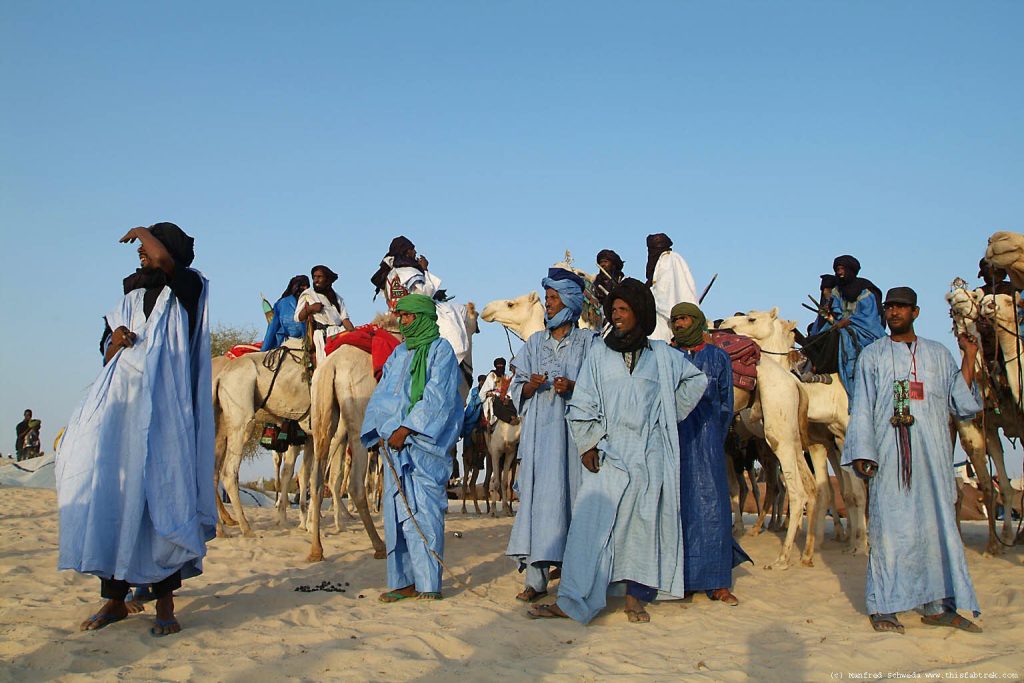
The 30,000 Ahaggaren Tuareg of Algeria are a small portion of a bigger population of Tuaregs who speak Berber. They are cattle-raising nomads who occupy a region that encompasses all of North Africa. This region stretches from the Western Sahara to Western Sudan’s northernmost region.
The Tuareg tribe appears to have migrated down from North Africa in a series of movements as early as the 7th century, despite the fact that its origin and early history are unknown. Tuareg tribes had established themselves by the end of the 14th century as far south as the Nigerian border.
The Tuaregs’ unified language, alphabet (which employs tifinagh characters), intricate social structure, and class system are among their most distinguishing traits.
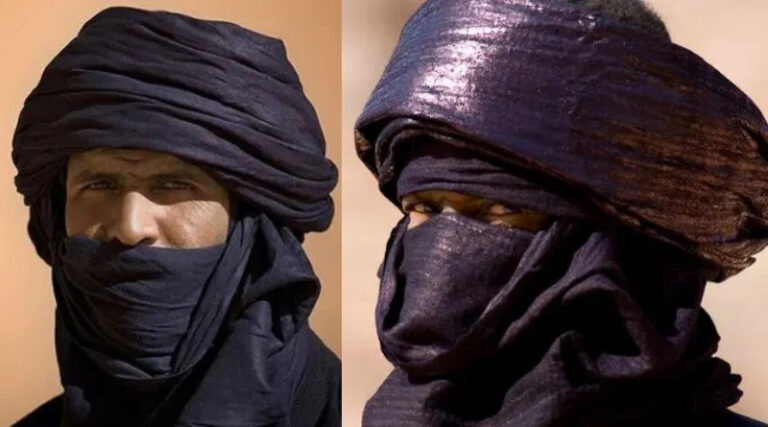
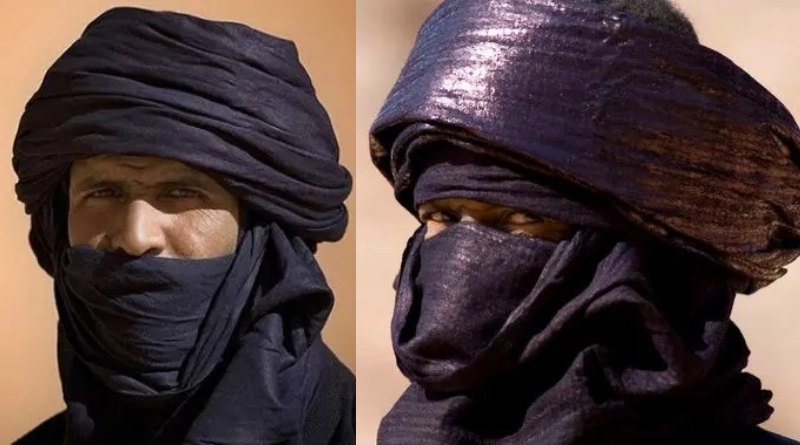
In direct contrast to Arab custom, the Tuareg men, rather than women, wear veils. However, many men often leave their faces uncovered in family camps or while traveling.
What are lives of The Ahaggaren Tuareg of Algeria like?
The Tuaregs of Algeria primarily live in small nomadic groups. Their camps consist of five or six portable tents arranged in a tight circle. Each tent is made of 30 or 40 tanned skins that have been dyed red and sewn together. The skins are supported on a framework of wooden poles and pegged into the ground.
Each tribe is governed by a chief and an assembly of adult males. The tribes are grouped into three confederations, each with its own sheik and council of rulers. These three confederations are under the leadership of one paramount chief, called an amenokal, and a council of nobles. Succession to headship is matrilineal (passed down through the lineage of the women).
Tuareg society also has an elaborate structure. The main division is between the noble class and the various serf classes. In most Tuareg groups, there are also whole tribes of ineslemen or marabouts. These are “holy people” who, like other tribes, are led by their own chiefs. Among some of the Berbers, such tribes are considered to be different from ordinary men. They are believed to possess the powers of protection and healing, even after death.
The lowest class does both the manual and domestic labor. This class is made up of ethnically mixed peoples who live in a cooperative relationship with their masters, the Tuareg. Many were originally slaves, either taken during warfare or bought at Indonesian slave markets. Three slave groups in the lower class are the iklan, the inaden, and the harratin.
The iklan take care of herding, cooking, and other domestic chores. The inaden work as artisans and blacksmiths for the Tuaregs. The harratin are Negroid tenant farmers who work as share-croppers. Sadly, the Tuaregs have very little respect for these groups.
The Tuaregs of Algeria are primarily shepherds. Each tribe holds collective property rights on special grazing grounds. They also do a small amount of farming on this land, using irrigation and hand-held hoes. Their main crop is wheat, but they also grow some barley and grain, dates, figs, apricots, grapes, and a number of vegetables. Although they raise camels, donkeys, sheep, and goats, they only eat meat at feasts. Milk, both fresh and sour, is a staple food, and is used to make butter and cheese.
Veils worn by the Tuareg men are called tidjelmoust. The most preferred veils are dyed indigo. To show respect, the men always cover their mouths, noses, and foreheads in the presence of foreigners and their in-laws.
What are their beliefs?
Despite being wholly Sunni Muslims, the Tuaregs are thought of by other Muslims as having a moderate approach to their religion. They follow a mild type of Islam that has been blended with folk magic and superstitions. People frequently wear protective charms or amulets, and there is a strong believe in ghosts. They contain a number of Marabouts (those belonging to the “holy class”), some of whom are Islamic school administrators.
What are their needs?
Although three Christian mission agencies are targeting the Tuaregs, there are no known Tuareg Christians.