
Tag

Know Africa Official

Browsing

Long before colonialism reshaped the African continent, Africa was home to some of the world’s most advanced kingdoms and empires. These civilizations built thriving cities, controlled international trade routes, developed sophisticated systems of governance and left behind remarkable cultural and architectural achievements that continue to inspire historians today.

From the gold-rich kingdoms of West Africa to the towering pyramids of Nubia and the stone cities of Southern Africa, these empires demonstrated Africa’s influence on global history.

READ ALSO: How Shaka Zulu Rose from an Outcast to One of Africa’s Greatest Kings

Here are seven of the most powerful African empires that helped shape the continent’s past.

1. The Kingdom of Kush (c. 1070 BC–350 AD)
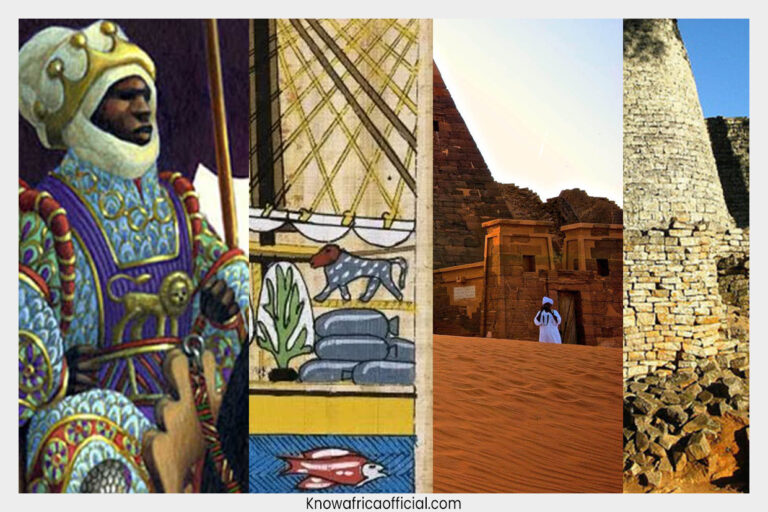
African empires that transformed trade, politics, religion and civilization, from the Kingdom of Kush to Great Zimbabwe.

The Kingdom of Kush, located in present-day Sudan, was one of Africa’s longest-lasting civilizations, surviving for more than a thousand years along the Nile Valley.

Although often overshadowed by Ancient Egypt, Kush became a powerful kingdom in its own right. It controlled valuable trade routes linking Central Africa to Egypt and the Mediterranean, exporting gold, ivory, ebony, incense and iron.

At one point, the Kushite kings conquered Egypt and ruled as the 25th Dynasty, earning the title of the “Black Pharaohs.”

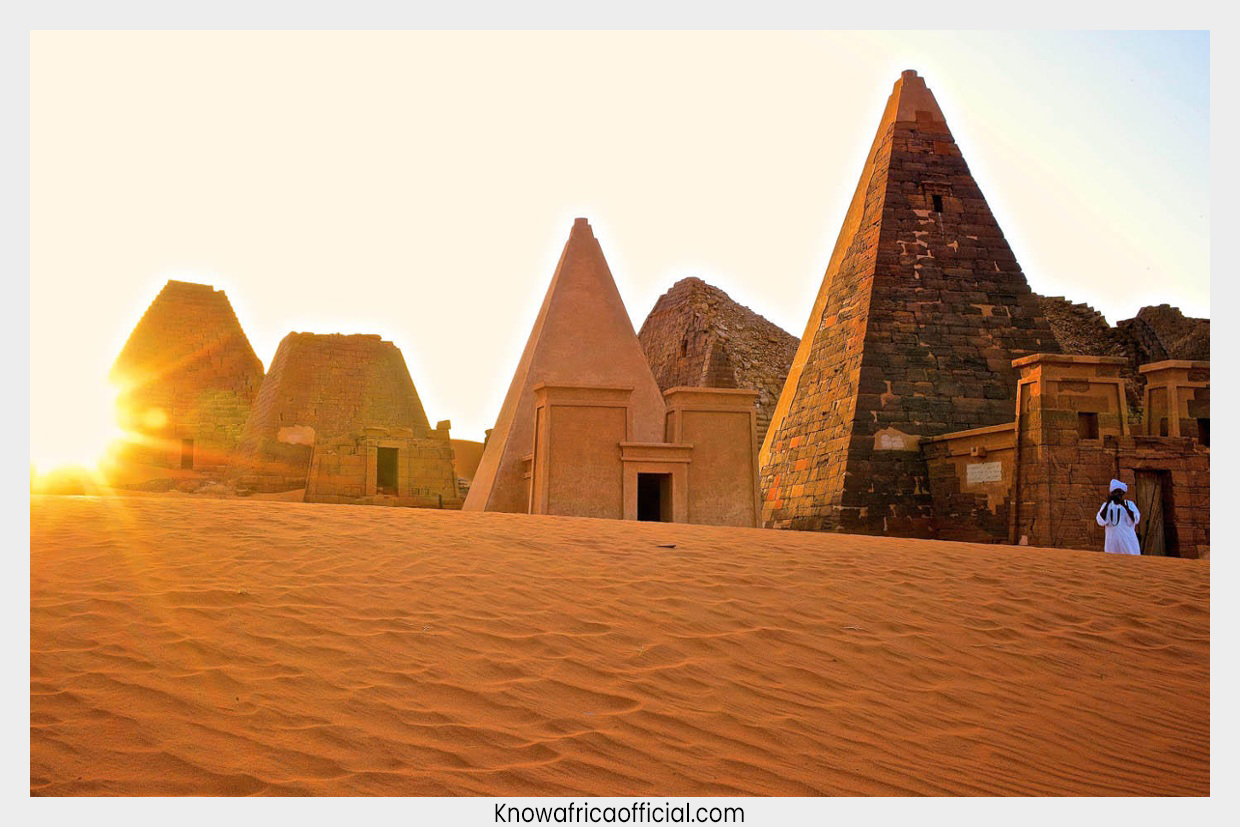
The Kushites adopted several Egyptian customs, including pyramid building and mummification, while developing their own unique identity and culture. Today, the ancient city of Meroë contains more than 200 pyramids significantly more than those found in Egypt.

2. The Land of Punt

Few places in African history remain as mysterious as the Land of Punt.

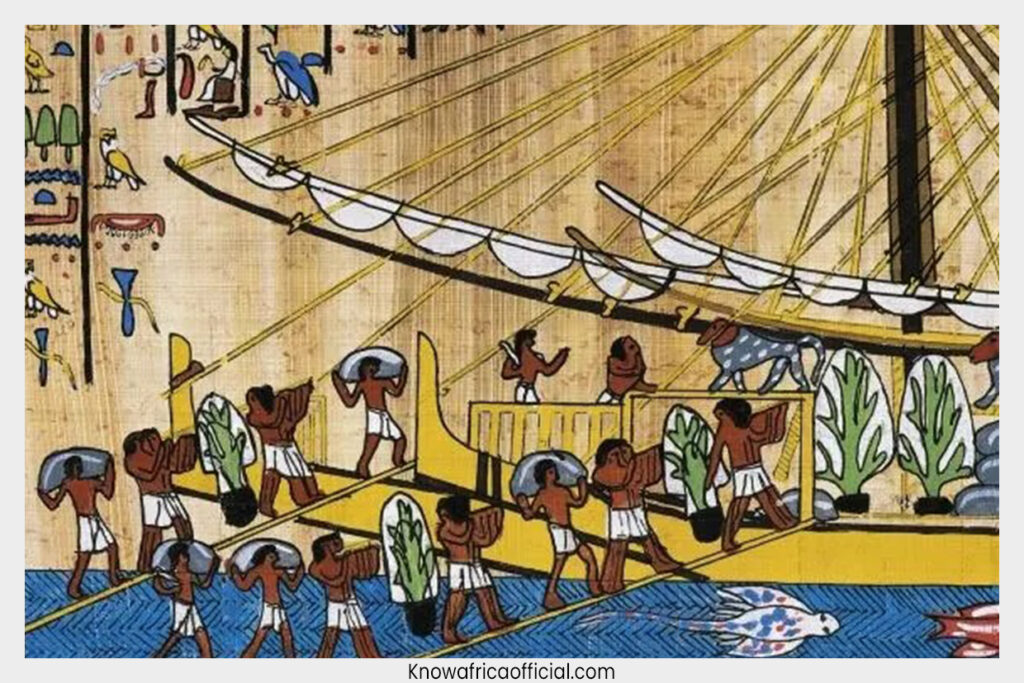
Ancient Egyptian records dating back more than 4,000 years describe Punt as a wealthy kingdom rich in gold, ebony, myrrh, frankincense and exotic animals such as baboons and leopards.
African empires that transformed trade, politics, religion and civilization, from the Kingdom of Kush to Great Zimbabwe.
Papyrus indicating arrangements for an Egyptian excursion to Punt. (Credit: De Agostini Picture Library/Getty Images)

Egyptian rulers organised several expeditions to Punt, with one of the most famous taking place during the reign of Queen Hatshepsut in the 15th century BC.

Despite extensive archaeological research, historians have never conclusively identified its exact location. Most scholars believe Punt was situated somewhere along the Red Sea coast, likely in parts of modern-day Eritrea, Ethiopia, Somalia or Djibouti.

Its true location remains one of Africa’s greatest historical mysteries.

3. Carthage (814 BC–146 BC)
African empires that transformed trade, politics, religion and civilization, from the Kingdom of Kush to Great Zimbabwe.

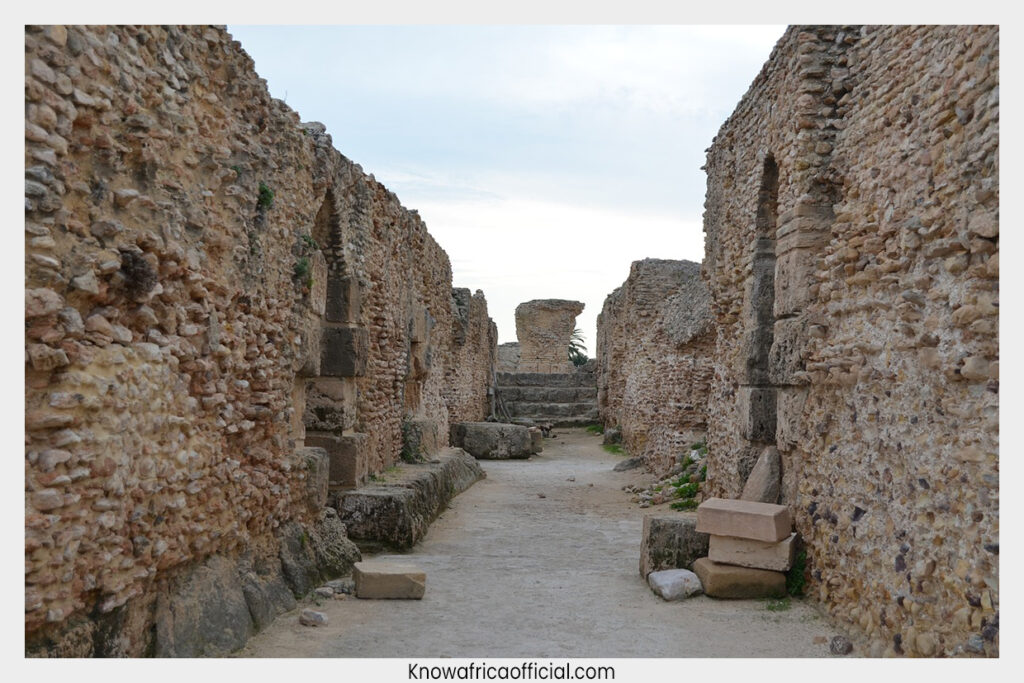
Located in present-day Tunisia, Carthage grew from a Phoenician settlement into one of the Mediterranean’s most powerful trading empires.

Its strategic location allowed it to dominate maritime commerce across North Africa, southern Europe and parts of the Middle East.

The city became famous for its powerful navy, bustling ports and commercial wealth.

Carthage is perhaps best remembered for its long conflict with Ancient Rome during the Punic Wars, particularly under the legendary general Hannibal Barca, who famously crossed the Alps with war elephants.

Following the Third Punic War in 146 BC, Rome destroyed the city, bringing one of Africa’s greatest ancient powers to an end.

Today, the ruins of Carthage remain one of Tunisia’s most important historical sites.

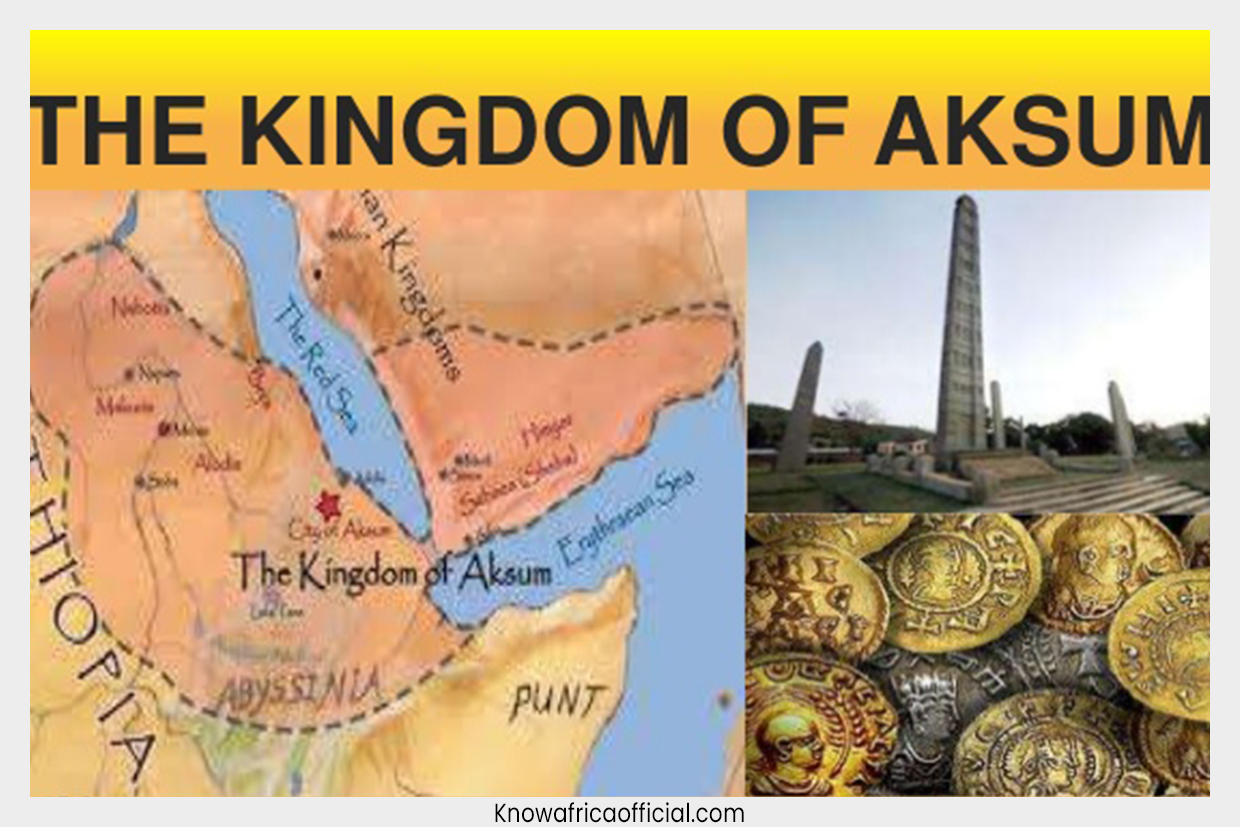
4. The Kingdom of Aksum (c. 100 AD–940 AD)
African empires that transformed trade, politics, religion and civilization, from the Kingdom of Kush to Great Zimbabwe.
The Kingdom Aksum

The Kingdom of Aksum, centred in modern-day Ethiopia and Eritrea, was one of the world’s leading civilizations during the early centuries of the Common Era.

Its location along Red Sea trade routes allowed it to prosper through commerce with Rome, Persia, Arabia and India.

Aksum exported ivory, gold, spices and agricultural products while importing luxury goods from across Asia and Europe.

The kingdom also developed Ge’ez, one of Africa’s oldest written languages, and became one of the earliest states in history to officially adopt Christianity during the fourth century.

Its towering stone obelisks remain among Africa’s greatest engineering achievements.

Legacy

The religious influence of Aksum lives on today through the Ethiopian Orthodox Tewahedo Church, one of the oldest Christian traditions in the world.

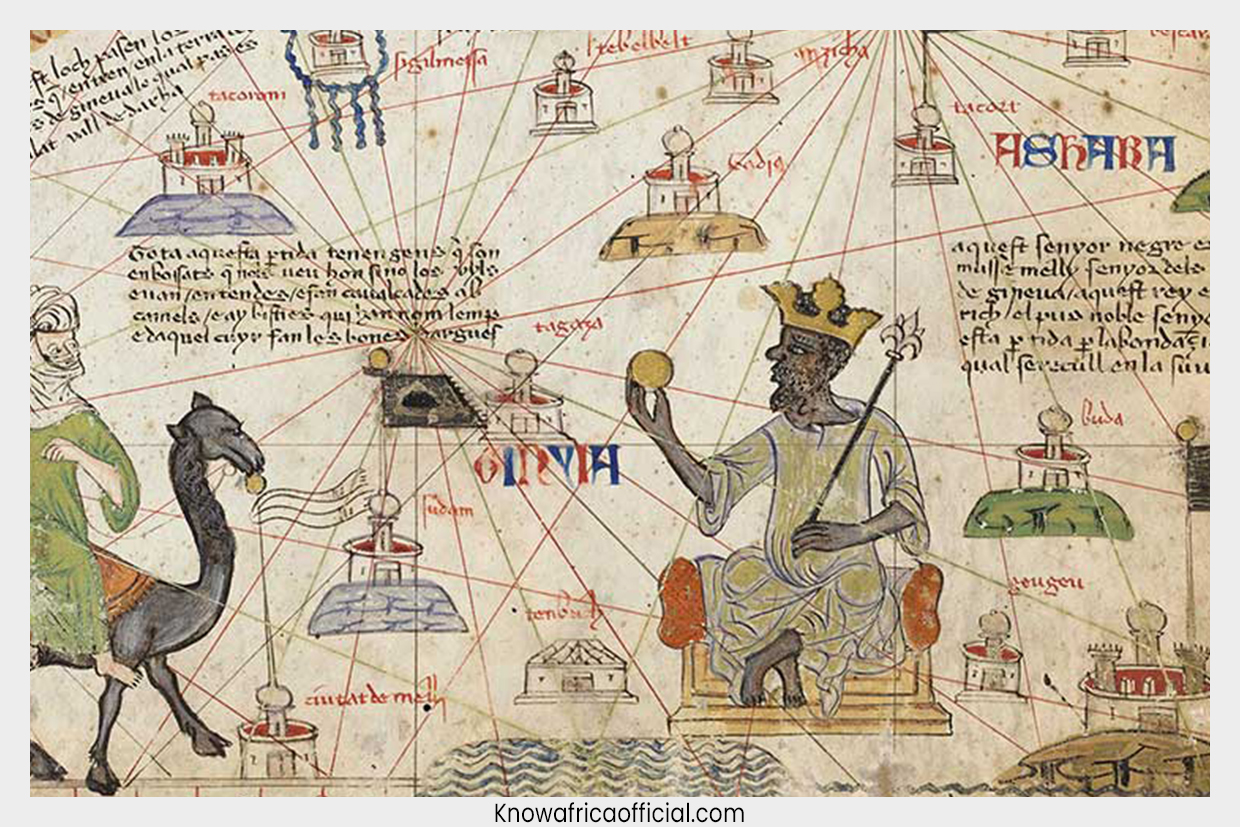
5. The Mali Empire (c. 1235–1670)
African empires that transformed trade, politics, religion and civilization, from the Kingdom of Kush to Great Zimbabwe.

The Mali Empire became one of the richest and most influential kingdoms in medieval Africa.

Founded by Sundiata Keita, the empire expanded rapidly across West Africa by controlling major trans-Saharan trade routes that carried gold, salt and other valuable goods.

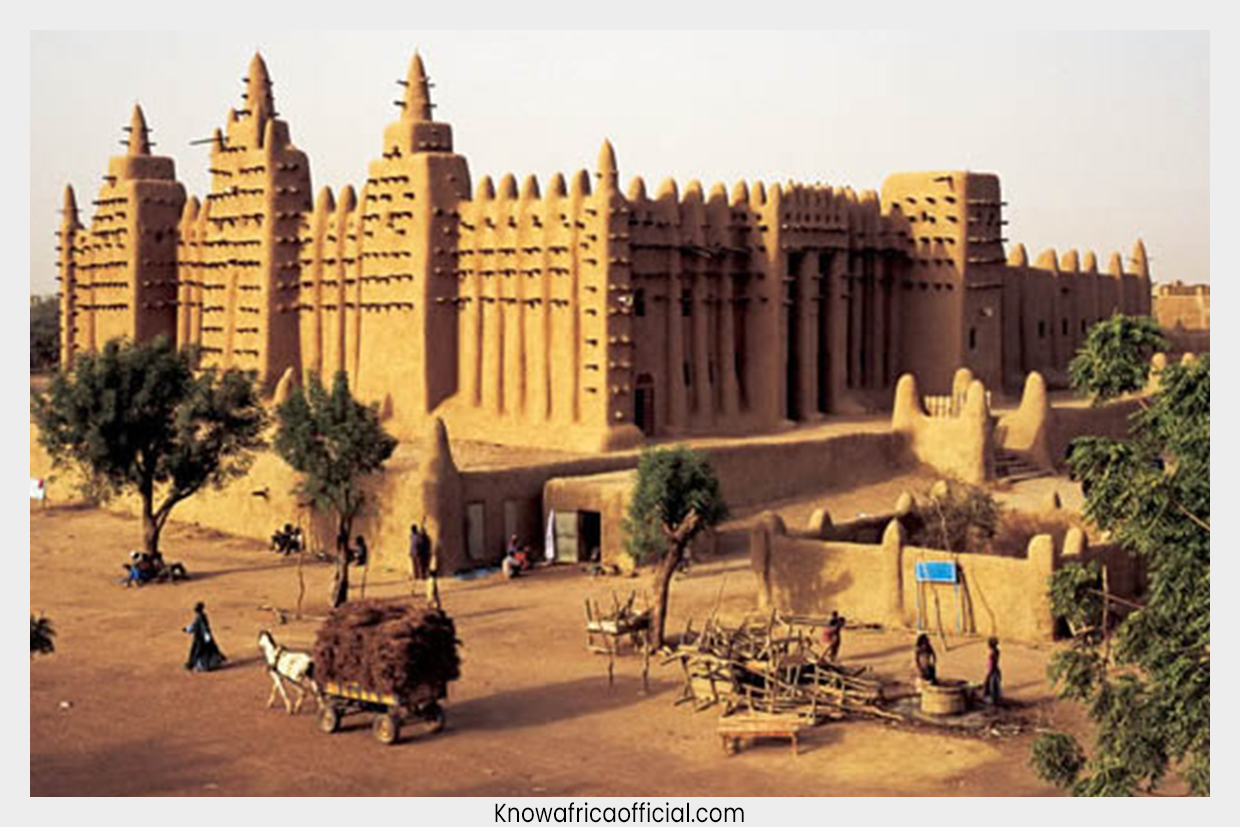
Its most famous cities included Timbuktu and Djenné, both celebrated as centres of Islamic learning, scholarship and commerce.

The empire reached its greatest height under Mansa Musa, whose pilgrimage to Mecca in 1324 became legendary.

Historical accounts describe how Mansa Musa distributed so much gold during his journey through Egypt that its value temporarily declined in Cairo due to the sudden increase in supply.

His immense wealth helped place West Africa firmly on medieval world maps.

6. The Songhai Empire (c. 1464–1591)
African empires that transformed trade, politics, religion and civilization, from the Kingdom of Kush to Great Zimbabwe.

Following the decline of Mali, the Songhai Empire emerged as West Africa’s dominant power.

At its height, it stretched across large parts of modern-day Mali, Niger, Nigeria, Burkina Faso and several neighbouring countries, making it one of the largest empires in African history.

Under Askia Muhammad I, Songhai strengthened its administration, expanded trade and promoted Islamic education.

The city of Timbuktu flourished as one of the world’s leading centres of learning, attracting scholars from across Africa and the Middle East.

The empire eventually collapsed after Moroccan forces invaded in 1591 using firearms, ending Songhai’s dominance.

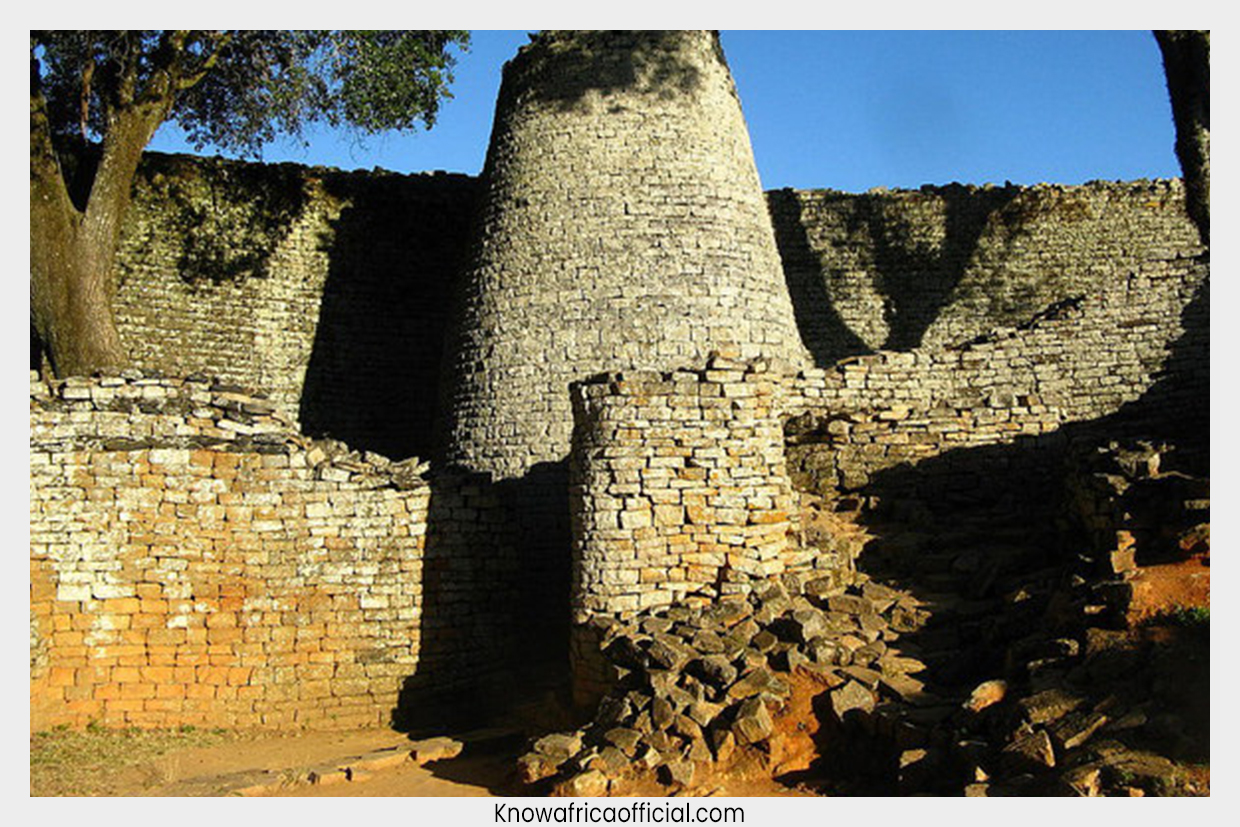
7. Great Zimbabwe (c. 1100–1450)
African empires that transformed trade, politics, religion and civilization, from the Kingdom of Kush to Great Zimbabwe.

Great Zimbabwe stands as one of Africa’s greatest architectural achievements.

Located in present-day Zimbabwe, the city served as the capital of a prosperous kingdom that controlled regional trade in gold, ivory and cattle.

Its enormous dry-stone walls, built without mortar, remain among the finest examples of pre-colonial African engineering.

Archaeological discoveries, including Chinese porcelain, Persian glass and Arab coins, reveal that Great Zimbabwe maintained trade links stretching across the Indian Ocean to Asia and the Middle East.

At its peak, the city is believed to have housed as many as 20,000 people, making it one of sub-Saharan Africa’s largest urban centres of its time.

Africa’s Rich Civilizational Legacy

These empires challenge the outdated misconception that Africa lacked advanced civilizations before colonialism. They built thriving economies, established centres of learning, mastered engineering and architecture, and maintained diplomatic and commercial ties with regions across Europe, Asia and the Middle East.

Their achievements continue to shape Africa’s cultural identity and remind the world that the continent has long been a cradle of innovation, leadership and civilization.

Few figures in African history have left a legacy as enduring as Shaka Zulu, the legendary warrior and founder of the powerful Zulu Kingdom. From a childhood marked by rejection and humiliation to becoming one of the continent’s most influential military leaders, Shaka’s life remains one of resilience, ambition and extraordinary leadership.

Although Shaka Zulu’s reign lasted little more than a decade, the military reforms, political influence and territorial expansion he introduced reshaped Southern Africa and secured his place among Africa’s greatest historical figures.

Born into Rejection

Shaka Zulu, born Sigidi kaSenzangakhona around 1787 in what is now KwaZulu-Natal, South Africa, entered the world under difficult circumstances.

Historical accounts suggest he was conceived through a traditional custom known as ukuhlobonga, a relationship between an unmarried couple that often attracted social stigma. His father, Chief Senzangakhona, initially denied responsibility for the pregnancy before eventually accepting Shaka’s mother, Nandi, as one of his wives.

The marriage, however, was short-lived. Nandi and her young son were later driven from the royal homestead, forcing them to seek refuge among relatives and neighbouring communities.

For much of his childhood, Shaka endured ridicule because of his birth, with many mocking him as an illegitimate child. These experiences are widely believed to have shaped his determination, discipline and desire to prove himself.

A Warrior in the Making

After leaving his father’s home, Shaka and his mother eventually found protection under the Mthethwa Kingdom, ruled by the influential Chief Dingiswayo.

Recognising the young man’s exceptional physical strength, courage and intelligence, Dingiswayo became both mentor and supporter.

At about the age of 23, Shaka joined the Mthethwa army, where he quickly distinguished himself through his bravery and tactical skill. His leadership qualities earned him rapid promotion and the respect of fellow warriors.

From Outcast to Zulu Chief

When Senzangakhona died in 1816, Shaka’s half-brother Sigujana inherited leadership of the relatively small Zulu chiefdom.

With the backing of Dingiswayo, Shaka challenged and overthrew Sigujana, becoming chief of the Zulu people.

His rise marked the beginning of one of the most significant transformations in African history. Rather than governing a small clan, Shaka envisioned a united and powerful kingdom capable of dominating the region.

Building a Powerful Zulu Kingdom

Shaka began expanding his authority by bringing neighbouring chiefdoms under Zulu control through diplomacy, alliances and military conquest.

After Dingiswayo was killed by his rival Zwide, Shaka vowed to avenge his mentor’s death. He reorganised his army, introducing strict discipline and innovative battlefield tactics that made the Zulu forces among the most formidable in Southern Africa.

His victory over Zwide during the conflicts of 1819–1820 cemented his reputation as an exceptional military commander and allowed him to establish dominance across large parts of the region.

Within a few years, numerous chiefdoms either accepted Zulu authority peacefully or were absorbed through military campaigns, laying the foundation for what became the expanding Zulu Kingdom.

Military Innovations That Changed African Warfare

Much of Shaka’s lasting legacy comes from the military reforms he introduced.

Among his most notable innovations were:

  • The development and widespread use of the iklwa, a short stabbing spear designed for close combat.
  • Intensive military training focused on speed, endurance and discipline.
  • Organising soldiers into highly structured regiments based on age.
  • Encouraging rapid movement by requiring warriors to fight barefoot, allowing greater mobility.
  • Creating a highly coordinated command structure that improved battlefield effectiveness.

These changes transformed the Zulu army into one of the most respected fighting forces on the African continent.

A Brilliant Leader with a Ruthless Reputation

While admired for his military genius, Shaka was also feared for his harsh rule.

Historical records describe him as a leader who dealt severely with perceived betrayal and disobedience. Some accounts claim that individuals who offended him faced harsh punishment, while others describe strict discipline within his expanding kingdom.

Following the death of his beloved mother, Nandi, from dysentery in 1827, many historical sources state that Shaka entered an intense period of mourning. Accounts from the era allege that thousands of people were executed and strict mourning rules were imposed throughout the kingdom, although historians continue to debate the scale of these events.

His increasingly severe leadership gradually weakened loyalty among some members of the royal family and senior advisers.

The Assassination of Shaka Zulu

On 22 September 1828, Shaka’s reign came to a violent end.

He was assassinated by his half-brothers Dingane and Mhlangana, with the assistance of a royal servant named Mbopha.

According to tradition, Mbopha distracted the king, allowing the two brothers to attack him.

One of the most famous accounts attributes Shaka’s final words to a warning that foreign settlers would eventually dominate the land rather than those who killed him—a statement many later viewed as prophetic given South Africa’s colonial history.

Following his death, Dingane became king of the Zulu Kingdom.

How Shaka Zulu Rose from an Outcast to One of Africa’s Greatest Kings

The Legacy of Africa’s Legendary Warrior King

Nearly two centuries after his death, Shaka Zulu remains one of Africa’s most studied and celebrated historical figures.

How Shaka Zulu Rose from an Outcast to One of Africa’s Greatest Kings

His leadership transformed the Zulu from a relatively small chiefdom into one of the most influential kingdoms in Southern Africa. His military strategies continue to be examined by historians and military scholars around the world, while his life has inspired books, documentaries, television series and academic research.

Although remembered as both a visionary leader and a controversial ruler, there is little doubt that Shaka changed the course of Southern African history. His rise from a rejected child to one of Africa’s greatest kings stands as one of the continent’s most remarkable historical journeys.

https://knowafricaofficial.com/

Why This Story Still Matters

Shaka Zulu’s story goes beyond battles and conquest. It reflects themes of resilience, leadership, ambition and state-building that continue to resonate across Africa today. His legacy remains deeply woven into South African history and the cultural identity of the Zulu people, ensuring that his name endures as one of the continent’s most influential historical figures.