
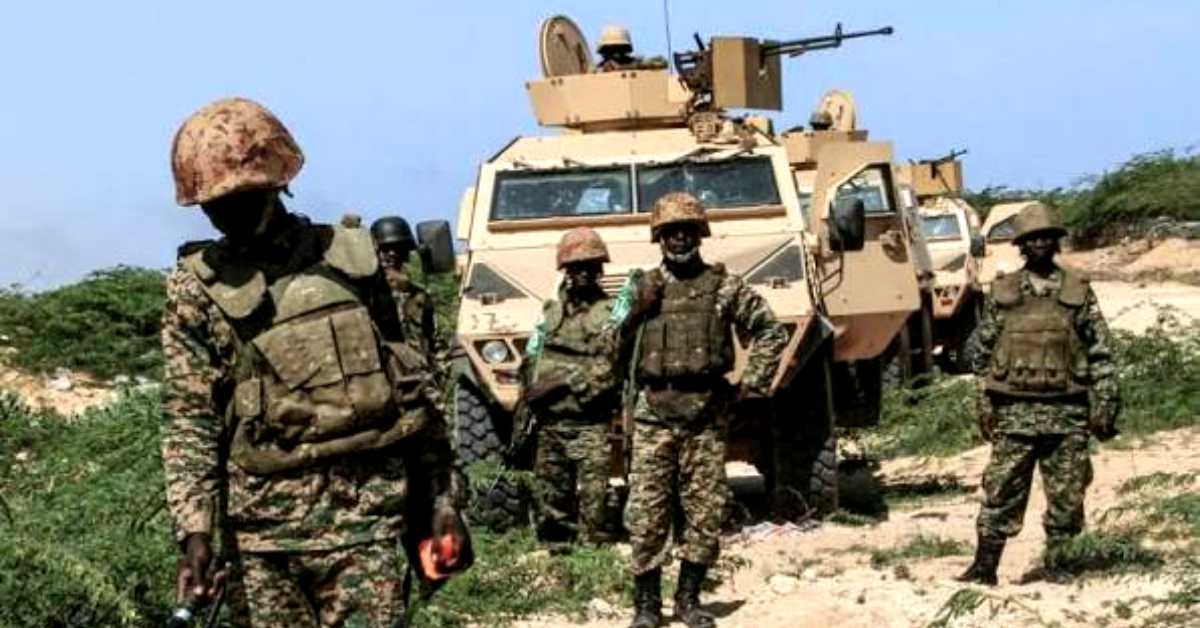
Uganda has approved the deployment of about 1,200 personnel to a proposed international security force for Gaza, while neighbouring Burundi is considering whether to join the mission.
The development emerged after military officials from both East African countries travelled to Israel last week for discussions about possible participation in the planned force.
Uganda is now working through the final details of its contribution after the country’s parliament approved the deployment earlier this month. Burundi, however, has not yet made a formal commitment.
The proposed mission could eventually involve 20,000 personnel and is being developed as part of a wider plan for Gaza following a fragile ceasefire arrangement.
READ ALSO: Over 200 New Second Lieutenants Graduate from Burkina Faso Military Academy
Uganda moves closer to Gaza deployment
Uganda has become one of the African countries moving furthest towards participation in the proposed international force.
The country’s parliament has already approved a contribution of approximately 1,200 personnel, meaning Kampala is now working on the practical details of its involvement.
The proposed deployment would place Ugandan troops in a very different operational environment from the missions they have traditionally undertaken in East Africa.
Uganda has extensive experience in regional peacekeeping, particularly through its military involvement in Somalia.
That experience is one reason Uganda’s military has emerged as a potential contributor to an international security operation in Gaza.
Burundi is interested but has not committed
Burundi is taking a more cautious position.
Military officials from the country joined discussions in Israel, where they expressed interest in the proposed mission.
A senior Burundian military delegation reportedly travelled to Israel, with officials examining what participation could look like.
However, Burundi has not formally committed troops yet.
A Board of Peace official said the next stage would involve beginning the process with Burundi, while a Burundian military official indicated that the country appeared interested in moving forward.
This means headlines suggesting that Burundi has already agreed to send soldiers would be premature.
Why African troops are being considered
The possible involvement of Uganda and Burundi reflects the growing importance of African military forces in international peacekeeping operations.
Both countries have participated extensively in security operations in Somalia and have developed experience operating alongside international partners.
Their involvement in Gaza could therefore give the proposed mission access to troops already familiar with multinational military operations.
But Gaza would present a substantially different challenge.
Unlike traditional peacekeeping missions in parts of Africa, any international force deployed there would be operating in an environment shaped by a long-running Israeli-Palestinian conflict, major humanitarian needs and deep political divisions.
What would the Gaza force do?
The proposed international force is expected to have several responsibilities connected to the post-ceasefire security arrangement.
These include helping monitor the ceasefire, supporting security in Gaza, training Palestinian police and helping create conditions for humanitarian assistance to reach civilians.
The force is envisioned at roughly 20,000 personnel, although the mission’s final composition and operational arrangements remain under development.
The United States is expected to play a leading role in the proposed force.
Uganda would not be alone
Uganda’s contribution would form part of a broader international effort.
Morocco has committed up to 500 personnel, while Kosovo, Kazakhstan and Albania have also made smaller commitments.
Indonesia had previously indicated that it was preparing to contribute as many as 8,000 troops, which would have made it the largest single contribution.
However, Indonesia later put those plans on hold following the escalation involving the United States, Israel and Iran.
As a result, the proposed force remains some distance from its 20,000-person target.
Why Uganda’s decision matters for Africa
Uganda’s decision places an East African military at the centre of one of the world’s most politically sensitive international missions.
For Kampala, participation could reinforce its reputation as an important contributor to international peace and security operations.
Uganda has spent years building military experience through regional operations, particularly in Somalia.
That experience could now be applied in an entirely different geopolitical setting.
But deployment to Gaza would also expose Uganda to difficult questions about the responsibilities and risks facing foreign troops operating in a highly contested environment.
What could Burundi’s participation mean?
If Burundi eventually approves a contribution, it would give the proposed Gaza mission another African contingent with substantial peacekeeping experience.
It would also mean that two East African countries could become directly involved in the international security architecture being considered for Gaza.
However, Burundi would first have to determine the political, military and financial implications of participation.
At present, its involvement remains under discussion rather than confirmed.
The difficult road ahead
Although several countries have expressed willingness to contribute, the proposed force still faces major obstacles.
The number of committed troops remains below the planned 20,000.
There are also unresolved questions about the mission’s authority, rules of engagement, command structure and the conditions under which foreign troops would operate.
The political situation itself remains fragile.
Israel has expressed reservations about aspects of the proposed arrangement, while questions surrounding Hamas’ disarmament and Israeli military withdrawal remain central to the broader plan.
These unresolved issues could determine whether the proposed force becomes a functioning international mission or remains largely a diplomatic proposal.
An important moment for East African militaries
Uganda’s commitment of 1,200 personnel marks a significant step in the development of the proposed Gaza force.
Burundi’s interest adds another African dimension to the plan, although the country has yet to make a final decision.
For Africa, the development is significant because it shows how military forces from the continent are increasingly being considered for international security operations far beyond African borders.
For Uganda, the next question is no longer simply whether it will participate.
It is how its troops would operate, what authority they would have and what risks they would face if the deployment goes ahead.
For Burundi, the decision remains ahead.
And for Gaza, the much larger question is whether an international force can help turn a fragile ceasefire into a sustainable security arrangement.
Frequently Asked Questions
How many troops has Uganda approved for Gaza?
Uganda has approved approximately 1,200 personnel for the proposed international security force.
Is Burundi sending troops to Gaza?
Not yet. Burundi is considering participation and has held discussions with officials involved in the proposed mission, but no final commitment has been announced.
How large is the proposed Gaza force?
The proposed international force is expected to have around 20,000 personnel.
Why is Uganda being considered for the mission?
Uganda has significant experience in regional peacekeeping and military operations, particularly in Somalia.
What would the international force do in Gaza?
The proposed mission is expected to help monitor the ceasefire, provide security, train Palestinian police and support the delivery of humanitarian assistance.
Which other countries have committed troops?
Morocco, Kosovo, Kazakhstan and Albania have made commitments, while Indonesia previously indicated a much larger contribution before putting its plans on hold.
